
Why Astaxanthin Isn't Fixing Skin Aging Despite Your Clean Diet After 40
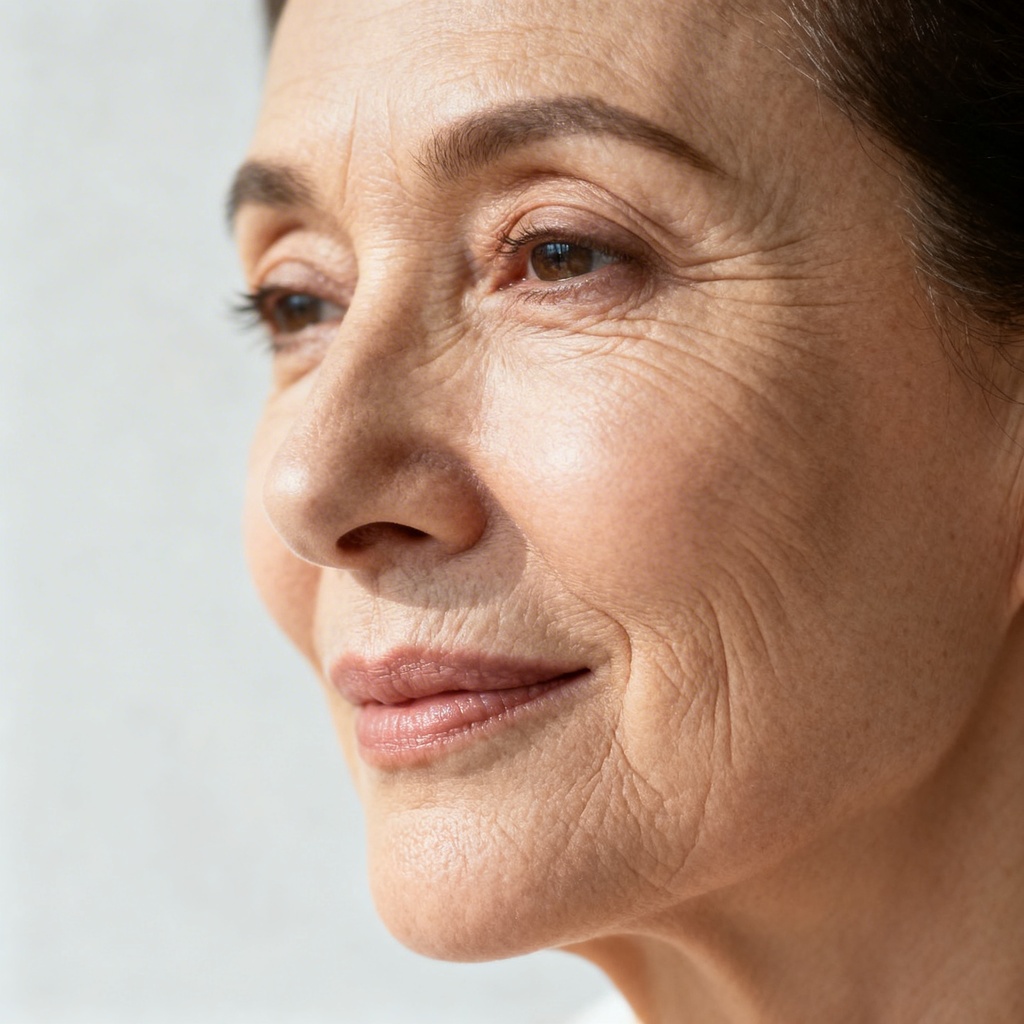
If you’ve been diligently eating clean, avoiding the sun, and adding powerful antioxidants like astaxanthin to your routine, only to watch wrinkles deepen and skin dullness persist, you’re not imagining things. Across forums like Reddit’s r/Supplements and unanswered Quora threads, a specific frustration is growing: women in their 40s and 50s are reporting that astaxanthin, often hailed as a super-antioxidant, is failing to deliver the promised skin transformations. This growing wave of confusion signals a critical gap in mainstream wellness advice. The missing piece isn’t your commitment; it’s the profound, invisible shift happening within your body during perimenopause that standard protocols simply don’t address.
The Invisible Failure: Why Clean Diets Fall Short on Skin
You’ve swapped processed foods for leafy greens, berries, and healthy fats, expecting your skin to reflect your internal health. Yet, in the mirror, you see wrinkles not going away even though you eat clean after 40. This disconnect is a common and demoralizing experience. The reason is that after 40, skin aging is driven by a new, dominant factor that diet alone cannot overcome: a steep and steady decline in reproductive hormones. While a clean diet provides essential building blocks and antioxidants, it cannot replace the specific, structural support that hormones like estrogen provide to the skin’s collagen, elasticity, and moisture retention. Estrogen acts as a direct signal to your skin cells to produce these vital components. When that signal diminishes, the skin’s internal scaffolding weakens, regardless of how many antioxidants you consume. Your diet is fighting a battle on one front, while hormonal changes have opened up a completely new, more powerful front that requires a different strategy.
Biological Mechanism: Hormones vs Antioxidant Protection
To understand why your supplement isn’t working, you need to understand the collision happening beneath the surface. Estrogen is a master regulator for skin health; it directly stimulates the production of collagen and hyaluronic acid, maintains skin thickness, and supports robust healing. As estrogen plummets during perimenopause, this foundational support system crumbles. Astaxanthin works as a brilliant external defender, neutralizing free radicals from sun exposure and pollution that damage skin cells. But it cannot mimic or replace the internal, hormone-driven signaling that tells your skin to build and repair its structure. It’s like having the world’s best firefighter (astaxanthin) on call, but the house’s internal framework (collagen, governed by hormones) is actively being dismantled. This is the core reason why astaxanthin is not helping my skin in perimenopause. The antioxidant is addressing oxidative stress, but it is powerless against the loss of the hormonal blueprint for skin regeneration.
Life Context Deep-Dive: How Perimenopause Sabotages Results
Perimenopause isn’t just a hormonal event; it’s a total life shift that creates a perfect storm against any supplement’s efficacy. It’s the era of sudden skin dullness after 45 despite antioxidants. Beyond direct hormone loss, this phase is often marked by increased stress, impacting cortisol levels which break down collagen, disrupted sleep which is the prime time for skin repair, and shifts in digestive health affecting nutrient absorption. Your body is in a state of high alert and redistribution, prioritizing survival over optimal skin appearance. In this context, taking an antioxidant pill with breakfast becomes a drop in a bucket that has suddenly developed a large hole. The supplement cannot effectively settle into its protective role when the body’s entire environment—from your nervous system to your gut—is focused on managing a systemic transition. The inflammatory state common in perimenopause can also overwhelm the antioxidant capacity of a standard dose, making it feel ineffective. can being overweight cause low testosterone and no sex drive in men
It's important to consider all aspects of your lifestyle when addressing skin health. Let's explore what clinical studies reveal about astaxanthin and its effects.
Midlife skin solutions that truly deliver.
 👉 Explore Natural Solutions
Learn to integrate lifestyle and supplements for best results.
What the Clinical Studies Really Show (And What They Don't)
Mainstream articles often tout astaxanthin’s antioxidant power, citing studies showing improvements in skin elasticity and wrinkle depth. However, a closer look reveals crucial context for women over 40. Most of the promising human studies on astaxanthin and skin health are conducted on mixed-age groups or younger demographics. The benefits shown are typically in the realm of maintenance and modest improvement—think reducing the progression of sun damage or improving hydration—not the dramatic reversal of established wrinkles and laxity that many women in perimenopause seek. Furthermore, these studies often use a specific, sustained dosage over 12-16 weeks to see even these modest effects. The expectation of a quick fix is a setup for disappointment, especially when underlying hormonal dynamics are ignored. For midlife skin, the goal shifts from reversal to preservation, and astaxanthin’s role must be understood within that more realistic framework. Oral administration of astaxanthin mitigates chronological skin aging in mice.
Realistic Expectations: Wrinkle Prevention vs. Reversal
Clinical evidence suggests astaxanthin can help prevent new damage from forming by quenching free radicals. It may improve skin moisture and slightly improve the appearance of existing fine lines by supporting skin barrier health. However, it does not stimulate new collagen synthesis at the rate required to reverse deep wrinkles caused by years of sun exposure and now, hormonal decline. Understanding this distinction is key to avoiding frustration.
Dosage That Matters for Midlife Skin
Research on skin benefits often uses a dosage range of 6-12 mg daily. For a woman in perimenopause, the lower end of this range may be insufficient to counteract the heightened inflammatory and oxidative stress of this life stage. However, simply increasing dosage without addressing absorption and lifestyle co-factors often leads to the common complaint of “no effect.”
Why Common Protocols Stop Working
The standard advice of "take 4-12 mg of astaxanthin daily with a fatty meal" is incomplete for the perimenopausal woman. This generic astaxanthin supplement protocol for busy women over 40 fails because it is static, while the woman’s physiology is dynamically and rapidly changing. The dosage may be too low to make a dent in the heightened inflammatory state. The timing—without consideration for circadian rhythms or stress levels—may be off. Pairing it with other supplements or medications common in this age group (like thyroid medication or certain vitamins) can affect absorption. Many women report only mild stomach issues or no results at all, leaving them to wonder, “astaxanthin no effect on aging skin has anyone figured this out?” The protocol fails because it treats the body as a constant system, not one undergoing a profound transition.
Scientific Evidence
The Absorption Barrier: More Than Just Taking a Pill
A key, overlooked factor is that nutrient absorption fundamentally changes with age. Stomach acid levels can decrease, and gut health often shifts, meaning you may not be breaking down and absorbing the astaxanthin from your softgel as efficiently as you did at 30. Furthermore, astaxanthin is fat-soluble. Taking it with a small handful of nuts may not be sufficient if your body’s ability to process fats is compromised due to digestive changes or a high-stress lifestyle. For a woman in her 40s or 50s, the question shifts from “Am I taking it?” to “Is my body actually able to use it?” This creates a significant barrier that generic advice never mentions. It also explains why some women experience benefits while others, with identical habits, see none—individual differences in digestion and metabolism become paramount. Marine Collagen Supplements
Fat-Soluble Delivery: Why Timing and Food Matter
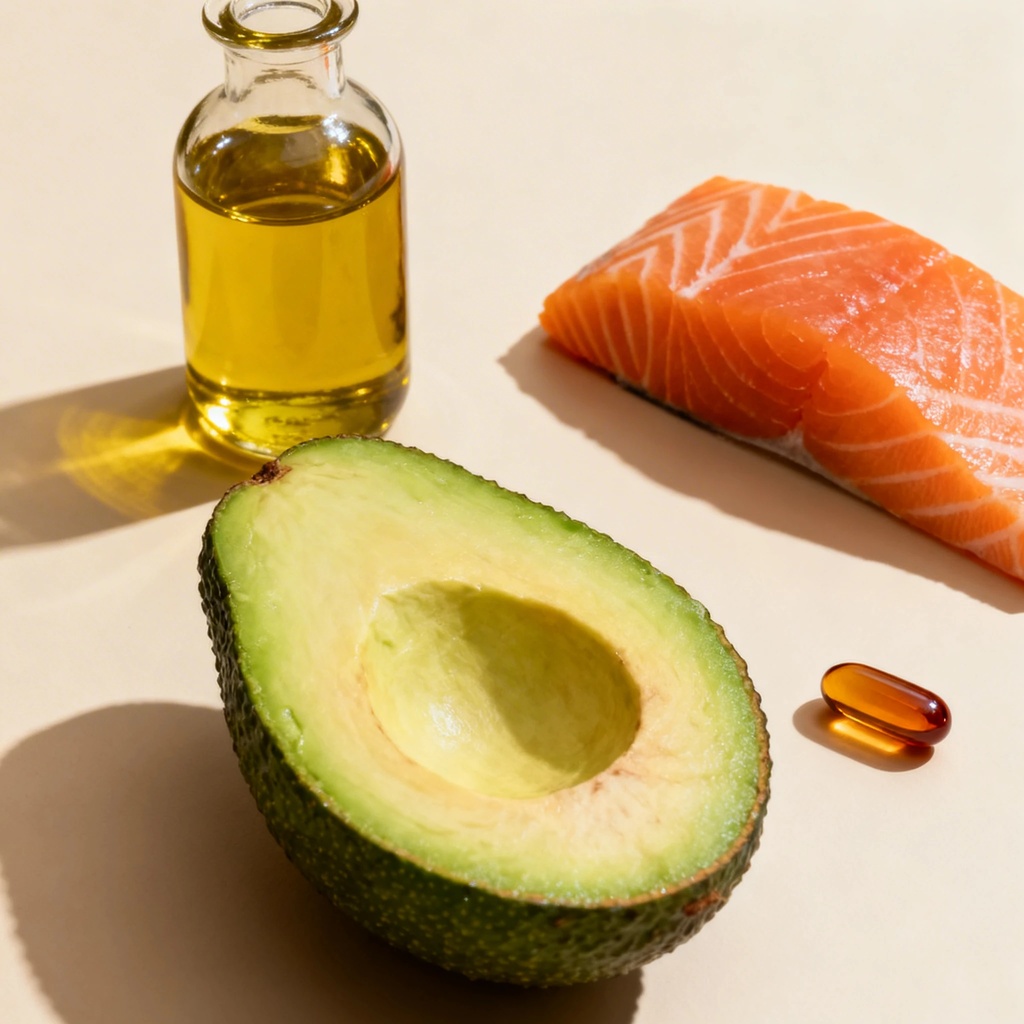
To maximize absorption, astaxanthin should be taken with a meal containing substantial healthy fats—not just a token amount. Think a meal with avocado, olive oil, or fatty fish, rather than a snack. This ensures the fat-soluble compound is properly emulsified and transported into your system. Timing it with your largest meal of the day can significantly improve bioavailability.
| Approach | Best For | Timeline | Key Consideration |
|---|---|---|---|
| Lifestyle-Only Focus | Women early in perimenopause focusing on prevention, with minimal visible damage. | Long-term (6+ months for subtle changes) | Requires exceptional consistency in diet, sleep, and stress management. May not address existing wrinkles. |
| Basic Supplementation (Generic Protocol) | Younger individuals or those with simple oxidative stress from lifestyle. | 8-16 weeks for general skin hydration | Often fails for women over 40 due to ignored absorption barriers and hormonal context. |
| Integrated Hormone-Aware Protocol | Women in active perimenopause experiencing persistent skin changes despite healthy habits. | 12+ weeks for supportive benefits alongside other strategies | Combines optimized astaxanthin dosing/absorption with lifestyle non-negotiables and possible professional treatments. |
| Professional-Guided Pathway | Women with significant aging concerns, hormonal imbalance, or who have tried everything without results. | Varies based on treatment plan | May include prescription retinoids, hormone therapy evaluation, or advanced dermatological procedures. Astaxanthin serves as a supportive adjunct. |
It's time to consider a more integrated approach to skincare. Optimizing your routine can make a significant difference.
The Integrated Path Forward: Adapting Astaxanthin to Midlife Reality
Abandoning astaxanthin isn’t the answer; adapting your approach is. The path forward is integration. First, view astaxanthin as one essential soldier in a broader army. Its role is crucial for external defense, allowing other strategies to work on internal rebuilding. Second, optimize for absorption: take your astaxanthin with your largest meal containing healthy fats, consider supporting gut health with probiotics or digestive enzymes if needed, and ensure consistent hydration to support all cellular processes. Third, pair it strategically with ingredients that support the skin from a structural angle, such as collagen peptides or ceramides, though these too work best within a holistic framework that addresses hormonal health.
Beyond the Pill: The Non-Negotiables for Skin After 40
If you want astaxanthin to have a fighting chance, you must address the lifestyle factors that are sabotaging it. Prioritizing sleep is non-negotiable; this is when repair happens and growth hormone, which supports skin health, is released. Managing stress through practices like walking, meditation, or breathwork is critical to lower collagen-damaging cortisol. Finally, consider consulting a dermatologist or healthcare provider about prescription-grade options like topical retinoids or an evaluation of hormone health. These can address the hormonal root cause in a way that no over-the-counter supplement can. Astaxanthin can then excel in its supporting role of protection, rather than being unfairly tasked with the impossible job of reversal alone. why do I feel sleepy all day
Frequently Asked Questions
With optimized absorption and consistent use within an integrated approach, you might notice subtle improvements in skin hydration or brightness within 8-12 weeks. However, managing expectations is key. For women in perimenopause, astaxanthin is best viewed as a long-term protector to prevent further damage and support other treatments, not as a fast wrinkle-reverser. Significant changes, if they occur, often take 4-6 months of sustained effort.
Is astaxanthin safe for women in perimenopause and menopause?Generally, astaxanthin is considered safe for most people. However, women in this age group should be especially mindful of potential interactions with blood-thinning medications or autoimmune conditions. It’s always prudent to discuss any new supplement with your healthcare provider, as your individual health context, including any medications for blood pressure or cholesterol, is paramount.
I’ve read about high doses. Should I take more than the recommended dose if I’m not seeing results?Do not exceed the upper limit of 12 mg daily without direct medical supervision. More is not always better and can increase the risk of side effects like stomach discomfort. Instead of increasing the dose, focus on the factors that may be blocking its effectiveness: ensure you take it with ample healthy fats, review your overall stress and sleep, and consider if your skin concerns require a different type of intervention, such as addressing hormonal health directly.
Can I just use topical astaxanthin instead?Topical astaxanthin can be an excellent addition for targeted antioxidant protection on the skin’s surface, helping to neutralize free radicals from daily exposure. However, it serves a different purpose. Oral astaxanthin provides systemic, whole-body antioxidant support and reaches the skin from the inside out. For comprehensive benefits, especially in midlife where internal systems are shifting, a combined approach of oral (for internal defense) and topical (for direct surface care) is often most strategic.
Who is astaxanthin actually good for, if it seems to fail for so many women over 40?Astaxanthin remains a powerful antioxidant. It can be highly effective for younger individuals focused on prevention, athletes using it for recovery and sun protection, and anyone seeking systemic antioxidant support. For women over 40, it is still beneficial but must be correctly positioned—not as a standalone miracle, but as a vital component of an integrated strategy that honestly addresses hormonal changes, lifestyle factors, and absorption barriers. Its failure is often a failure of context, not of the compound itself.
📌 Love this guide? Save it on Pinterest!
Pin Astaxanthin Not Working After 40? 2026 Guide to Midlife Skin to your board so you can come back to it later.


Comments
Post a Comment