
Why Testosterone Boosters Fail When Your Sleep Is Broken: The Cortisol-Testosterone Cycle Men Miss
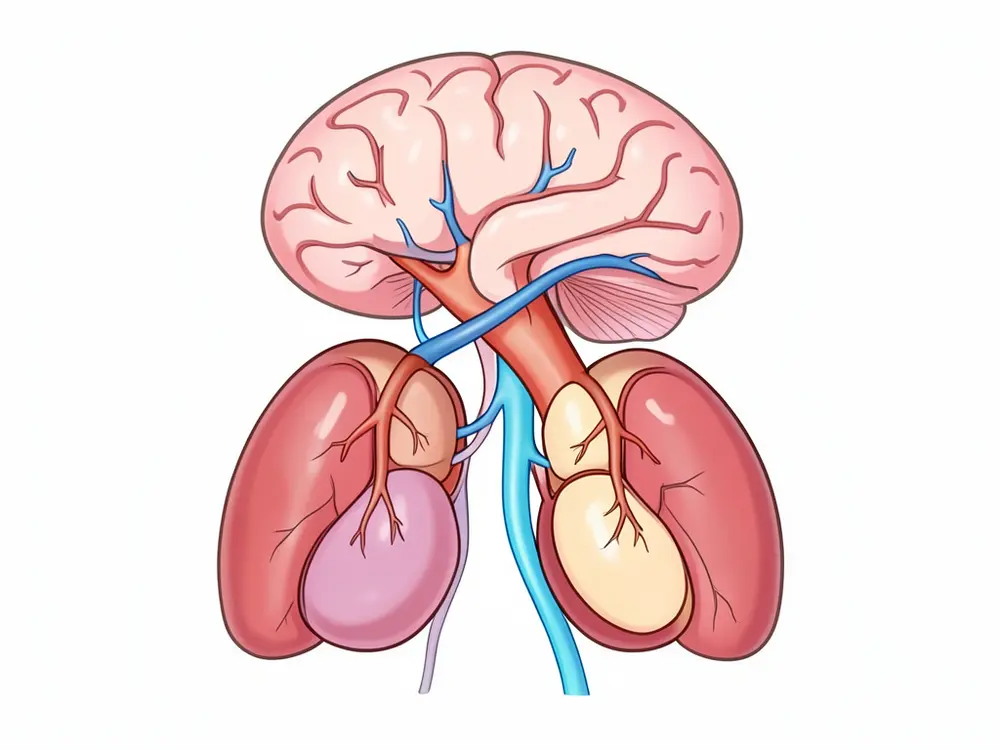
If you're a man navigating the demands of a high-pressure career, juggling shift work, or experiencing the sleep deprivation that comes with being a new father, and you're still battling exhaustion despite trying a testosterone booster or even undergoing testosterone replacement therapy, you're far from alone. A growing number of men are realizing that simply attempting to elevate testosterone levels isn't enough to conquer their persistent fatigue. The overlooked factor is a complex biological interplay in which poor sleep, elevated stress hormones, and diminished testosterone levels create a self-perpetuating cycle, trapping you in a state of exhaustion that no single supplement can resolve. This is why many men find themselves asking, "why am I still exhausted even with higher testosterone levels?"
The frustration is understandable. You may have achieved hormone levels that appear optimal on paper, mirroring those of a younger man, yet you continue to feel drained, mentally foggy, and lacking motivation. This isn't a matter of insufficient willpower or needing an extra shot of espresso. It stems from a fundamental lack of awareness regarding the interconnectedness of your body's systems. The true key to unlocking sustained energy lies not just in a pill, but in comprehending and disrupting the cortisol-testosterone-sleep triad that is undermining your recovery and overall vitality. Emerging clinical research in recent years has highlighted this very issue, with studies showing that a significant percentage of men on TRT continue to experience fatigue despite normalized testosterone.
The Vicious Cycle: Why Low Sleep Destroys Testosterone Production
Sleep is far more than just a period of inactivity; it's a crucial time for your body's hormonal regulation. When you consistently shorten your sleep duration or experience fragmented sleep, you directly hinder your body's capacity to produce testosterone. The majority of your daily testosterone release is intricately linked to the deepest stages of sleep. If you consistently fail to reach or maintain those deep, restorative phases, your hormone production suffers a significant blow. This establishes the initial link in the chain: inadequate sleep leads to reduced testosterone levels.
Unlock your energy by fixing your sleep cycle.

Discover how to optimize sleep and balance hormones for lasting vitality.
However, the detrimental effects don't end there. Lower testosterone levels, in turn, make it more challenging to attain quality sleep, thereby creating a feedback loop of exhaustion. This is the essence of the low testosterone insomnia vicious cycle. You struggle to sleep soundly because your hormones are imbalanced, and your hormones are imbalanced because you struggle to sleep soundly. It's a vicious circle that explains why solely focusing on one aspect of the equation—such as taking a testosterone booster—often results in disappointment. The cycle persists because the underlying cause remains unaddressed.
Cortisol as the Hidden Saboteur: Why Test Boosters Alone Don't Work
Cortisol, your body's primary stress hormone, acts as the hidden saboteur within this cycle. When you're sleep-deprived, experiencing work-related stress, or maintaining an erratic schedule, your cortisol levels remain elevated for extended periods. This presents a problem because testosterone and cortisol exist in a delicate balance; when one is high, the other tends to be low. Chronically elevated cortisol directly signals your body to reduce or halt testosterone production. It's akin to simultaneously pressing both the brake and the accelerator in a car.
Tired of fatigue? Reclaim your sleep.

Simple strategies can help you break the cycle of exhaustion and sleeplessness.
Here is a quick look at different approaches to consider.
| Approach | Best For | Timeline | Key Consideration |
|---|---|---|---|
| Lifestyle Optimization Only | Men with mild fatigue, good sleep hygiene foundation, and willingness to commit to daily routines. | 4-8 weeks to notice initial improvements, 3-6 months for significant gains. | Requires consistent effort and may not be sufficient for those with underlying conditions. |
| Basic Supplementation (Sleep & Stress Support) | Men with moderate fatigue, some sleep disturbances, and a desire for natural support. | 2-4 weeks to experience subtle changes, 2-3 months for more noticeable effects. | Supplements are not a substitute for healthy habits and may interact with medications. |
| Combined Protocol (Lifestyle + Targeted Supplements) | Men with significant fatigue, disrupted sleep, and a need for more comprehensive support. | 1-3 weeks to feel initial benefits, 1-3 months for substantial improvements. | Requires careful selection of supplements and attention to individual needs. |
| TRT Pathway (with Sleep & Stress Management) | Men with diagnosed low testosterone, severe fatigue, and a commitment to long-term monitoring. | 2-6 weeks to experience initial effects, 3-12 months for full benefits. | Requires medical supervision and may have potential side effects. |
This is the fundamental reason why a testosterone booster not working sleep deprivation cortisol is such a common experience. The supplement may supply the necessary building blocks or signals to stimulate testosterone production, but if your cortisol levels are consistently elevated due to poor sleep and high stress, it actively impedes that production. You're essentially attempting to fill a bucket that has a hole created by cortisol. Until you address that stress hormone, you're fighting an uphill battle, which is why many men feel their cortisol killing testosterone why test booster alone fails. The cortisol-testosterone imbalance is now recognized as a critical factor in persistent fatigue despite normal hormone levels.
Shift Work and Modern Schedules: The Circadian Disruption Epidemic
For shift workers, new fathers, or anyone with an irregular sleep schedule, this problem is amplified. Your body operates on a 24-hour internal clock known as your circadian rhythm, which governs the release of cortisol and testosterone. Cortisol levels should be highest in the morning to promote wakefulness and gradually decrease by evening, allowing testosterone levels to rise during sleep. When you work nights or maintain chaotic hours, this rhythm is completely disrupted.

Your cortisol levels peak at inappropriate times, and your testosterone production window becomes confused or missed altogether. This explains why shift work fatigue low testosterone presents such a unique and significant challenge. It's not solely about lacking sleep; it's about sleeping at the wrong biological time, which profoundly disrupts your endocrine system. Men in these situations often experience more pronounced symptoms of fatigue and low energy, even if their total sleep hours appear adequate on paper, because their body's natural hormone cycle is out of sync. Studies from the mid-2020s have consistently shown that shift workers have significantly lower testosterone levels and experience more severe fatigue symptoms compared to their daytime counterparts.
Sleep Architecture Matters More Than Sleep Duration Alone
Here's a crucial nuance that many men overlook: it's not solely about the number of hours you spend in bed. Sleep quality testosterone production hinges on the architecture of your sleep—the structure and progression through light sleep, deep sleep (slow-wave sleep), and REM sleep. Your deepest sleep stages are when the most significant pulses of growth hormone and testosterone occur. If your sleep is light, restless, or frequently interrupted, you may never spend sufficient time in these restorative phases to trigger adequate hormone release.
You could be in bed for eight hours, but if you're not properly cycling through deep sleep due to stress, environmental factors, or an underlying condition like sleep apnea, your testosterone production suffers. This explains why someone can get "enough" sleep but still wake up feeling unrefreshed and struggle with low energy throughout the day. Addressing this requires focusing on REM sleep deep sleep quality, not simply clocking more time with your eyes closed.
Many men find that optimizing sleep is a crucial first step. For example, some find success with the best testosterone pills for men over 40 with high blood pressure, while others seek the best natural testosterone supplement for men over 50 with no side effects.
Why You're Still Tired on Testosterone Therapy: The Adjustment Period Myth
A significant source of confusion and frustration arises when men begin testosterone replacement therapy (TRT) expecting a surge of energy, only to find their persistent fatigue on testosterone therapy continues. Often, this is dismissed as an "adjustment period," but for many, it signifies the unresolved sleep-cortisol cycle. TRT addresses the testosterone deficiency, but it doesn't automatically resolve poor sleep architecture or elevated cortisol levels.
If the underlying causes of your sleep disruption—such as sleep apnea, chronic stress, or circadian misalignment—remain unaddressed, you will continue to experience poor sleep quality. Your body now has more testosterone, but it's still not receiving the restorative deep sleep it needs for cellular repair, brain function, and metabolic health. This is the "what am I missing" piece for many men. Hormone optimization must be coupled with sleep optimization to realize the full benefits. Recent discussions within TRT communities highlight the frustration that doctors often fail to adequately explain the sleep-hormone adjustment period or address underlying sleep disorders that persist despite hormone optimization.
Evidence-Based Strategies to Break the Cycle
Breaking the cycle requires a simultaneous, two-pronged approach: enhancing sleep quality/architecture and managing cortisol levels. You cannot simply do one and expect the other to fall into line. The goal is to create an environment where your body can effectively produce and utilize hormones.
Optimize Sleep Architecture First
Begin by prioritizing sleep quality. This involves establishing a consistent sleep schedule (even on weekends, as much as possible), ensuring your bedroom is cool, dark, and quiet, and avoiding screens for at least an hour before bedtime. For shift workers, strategically using blackout curtains and light-blocking glasses can help manipulate your circadian rhythm. Addressing potential sleep disorders with a healthcare professional is also essential.
Cortisol Management Routines
Next, implement daily cortisol management practices. Because cortisol follows a diurnal rhythm, you can support its natural decline by incorporating morning sunlight exposure, regular moderate exercise (avoiding intense late-night workouts), and stress-reduction techniques such as mindfulness, deep breathing, or spending time in nature. Nutrition also plays a role; avoiding excessive caffeine, especially in the afternoon, and stabilizing blood sugar levels with balanced meals can prevent unnecessary cortisol spikes.
Integrated Test Optimization
Finally, consider how to best optimize testosterone levels in conjunction with sleep and cortisol management. This may involve natural testosterone-boosting strategies, or, under medical supervision, testosterone replacement therapy. However, remember that these interventions will be significantly more effective when the foundation of good sleep and cortisol balance is already in place. Some men may also consider the best testosterone booster for men over 40 that actually works.
Understanding the timeline for seeing results is also important.
Building a Sustainable Routine: What to Expect and When
Maintaining realistic expectations is crucial. If you've been trapped in a broken cycle for months or years, it won't reverse overnight. Repairing your circadian rhythm and sleep architecture is a gradual process. You may notice improvements in sleep quality within a week or two of consistently implementing healthy habits. Improvements in daytime energy and mood often follow in the subsequent weeks as your hormone cycle begins to re-synchronize.
For men using boosters or TRT, this is when you may finally begin to experience the full synergistic benefits. The exogenous testosterone has a better foundation to build upon. However, always prioritize safety. Any supplementation or hormone therapy should be discussed with a knowledgeable healthcare provider who can monitor your levels and overall health. This is particularly important for different age groups, as individual needs and risks can vary.
Knowing When to Seek Professional Help
While lifestyle modifications are powerful, some situations necessitate expert intervention. If you've consistently implemented sleep hygiene and stress management techniques for several months without experiencing improvement, it's time to consult a specialist. Key indicators include:
* Suspected sleep apnea (loud snoring, gasping for air at night, daytime sleepiness).
* Men exhausted daytime despite normal testosterone levels as indicated by lab tests.
* Inability to maintain a consistent sleep schedule due to unavoidable shift work.
* Symptoms of depression or severe burnout that accompany the fatigue.
A sleep specialist can conduct a sleep study, and an endocrinologist or a knowledgeable men's health doctor can assess the complete picture of your hormones, including cortisol patterns, to develop a targeted treatment plan. The goal is to transition from fragmented solutions to a comprehensive understanding of your unique testosterone and sleep problems.
The path out of exhaustion isn't found in a single miracle cure. It's found in understanding the interconnected system of sleep, stress, and hormones. By shifting away from the pursuit of a testosterone-only solution and beginning to rebuild the foundation of your sleep and daily rhythm, you can break the cycle that's been holding you back and cultivate sustainable energy from the ground up.
Love this guide? Save it to your board!
Pin this Testosterone Boosters Failing You? 2026's Sleep-Cortisol Fix for Men to help others discover it too.


Comments
Post a Comment