
Why You're Sleepy All Day Despite 8 Hours of Sleep: The Hidden Sleep Apnea Trap
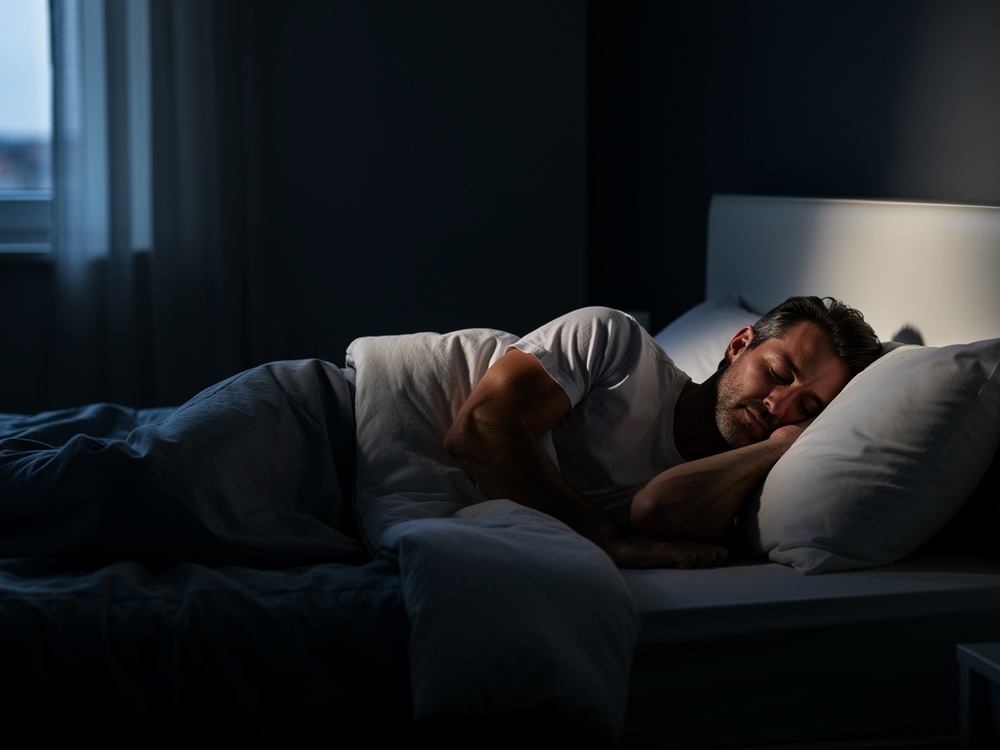
If you’re clocking a full night in bed but still feel like you’re dragging yourself through the day on willpower and caffeine alone, you’re part of a growing and frustrated club. This experience of persistent, unrefreshing sleepiness is a common complaint in doctor’s offices and online forums, often hastily written off as burnout, poor diet, or the inevitable toll of a busy life. However, a significant shift in health discussions is pointing to a hidden, and often undiagnosed, culprit that doesn’t fit the old stereotypes. For millions of adults—including those who are not overweight and may not even snore—the root of this relentless fatigue could be obstructive sleep apnea. This article will demystify why your sleep feels broken, spotlight the subtle signs most people and doctors miss, and provide a clear path from suspicion to solution.
Subtle Signs of Undiagnosed Sleep Apnea
The classic image of sleep apnea—a loud-snoring, overweight man—is dangerously incomplete and leaves a vast population suffering in silence. The most pervasive and overlooked symptom is the very one driving your search: profound, unshakeable daytime sleepiness despite adequate time in bed. For many, especially women and average-weight individuals, the hallmark snoring is absent, minimal, or not witnessed, shifting the entire presentation from a noisy nuisance to a silent energy crisis. Women, in particular, often report a different cluster of symptoms: overwhelming fatigue, morning headaches, mood irritability, and even feelings of anxiety or depression, which can easily be misattributed to hormonal shifts or psychological stress. This diagnostic gap is why experts estimate a staggering majority of sleep apnea cases remain undiagnosed; people spend years trying to optimize their lifestyle, unaware that a physiological disruption is sabotaging their sleep from within.
Wake rested, feel refreshed, live vibrantly.
 👉 Explore Natural Solutions
Discover lasting solutions for daytime fatigue and reclaim your energy.
Why Sleep Feels Unrefreshing: The Fragmentation Effect
Understanding the mechanics of sleep reveals why duration alone is meaningless without quality. Healthy sleep is a cyclical journey through light, deep, and REM (dream) stages. Deep sleep and REM are where critical restoration occurs—tissue repair, memory consolidation, and hormonal regulation. Obstructive sleep apnea throws a wrench into this process. When the muscles in the throat relax during sleep, the airway can partially or completely collapse, causing breathing to pause. Your brain, sensing a drop in oxygen, sends a micro-alarm to jolt you just enough to restart breathing—often with a subtle gasp, snort, or body jerk. These "micro-arousals" are so brief you have no memory of them, but they act like a director constantly yelling "cut!" during a film. You are repeatedly pulled out of restorative deep and REM sleep back into light, inefficient sleep. The result is a night of fragmented, shallow rest, even if you never fully wake up. This is the core reason you can log eight hours and still feel sleepy all day but sleep 8 hours no snoring, and why a weekend lie-in or an afternoon nap offers no lasting relief.
Common Causes of Daytime Sleepiness
While sleep apnea is a critical suspect in cases of persistent fatigue, it exists within a broader landscape. Isolating the cause requires looking at all possibilities, with the key differentiator being the failure of corrective lifestyle measures. Let's consider other potential factors that might be at play.
Lifestyle and Environmental Factors
Inconsistent sleep schedules, excessive blue light exposure before bed, and late consumption of caffeine or alcohol can significantly degrade sleep quality. Chronic stress activates the nervous system in ways that inhibit deep sleep, while a sedentary lifestyle can contribute to a general sense of lethargy and poor sleep drive.
Other Sleep Disorders
Conditions like insomnia (difficulty falling or staying asleep), restless legs syndrome (an irresistible urge to move the legs), and circadian rhythm disorders (like delayed sleep phase) can prevent restorative rest. The distinction often lies in awareness; with insomnia, you know you’re awake, whereas with apnea, you may believe you slept soundly.
Underlying Medical Conditions
A range of health issues can manifest as crushing fatigue. Thyroid imbalances (hypothyroidism), iron-deficiency anemia, chronic fatigue syndrome, heart conditions, and certain autoimmune diseases are common culprits. This underscores why a medical evaluation is a necessary first step to rule out other causes before zeroing in on a sleep disorder.
Hidden Sleep Apnea Symptoms Beyond Snoring
Moving past the stereotype requires recognizing the constellation of subtle signs that point to a breathing-related sleep disorder, especially if you don’t fit the expected profile.
The Non-Snoring Indicators
Waking with a very dry mouth or sore throat suggests you’ve been breathing through an obstructed airway all night. Frequent nighttime urination (nocturia) can be triggered by the stress hormones released during breathing pauses. Teeth grinding (bruxism) and nighttime acid reflux are also common co-occurrences, as the body strains to open the airway. A dull, persistent morning headache is a classic sign of fluctuating oxygen and carbon dioxide levels in the blood.
Stop the cycle of sleepless nights.
👉 Explore Natural Solutions
Find effective treatments to restore restful sleep and revitalize your health.
Apnea in Average-Weight Individuals
Anatomy is destiny when it comes to sleep apnea. A naturally narrow airway, a recessed chin, enlarged tonsils, or a large tongue base can cause significant obstruction regardless of body mass index. This is the critical blind spot for the active, health-conscious office worker experiencing daytime fatigue who is told they "look too healthy" to have a sleep disorder. how to increase libido after years of porn use
The Silent Witness of Micro-Awakenings
While a bed partner might notice choking or gasping, often the only witness is your own exhausted physiology. The direct evidence lies in how you feel: the irresistible sleepiness in monotonous situations, the slow cognitive processing, and the constant need for stimulants.
Distinguishing Sleep Apnea from Burnout and Stress
The symptom overlap between professional burnout and sleep apnea is vast: exhaustion, brain fog, irritability, and poor concentration. This confusion is why so many people delay seeking medical help. The key differentiator often lies in the quality of the fatigue and its response to rest. Burnout fatigue tends to be more mental and emotional, ebbing and flowing with stress levels, and may improve noticeably during a true vacation. Sleep apnea fatigue is a physical, cellular exhaustion that is present every single morning, regardless of your stress level or where you slept. It’s the type of tiredness that isn’t solved by a good night’s sleep because, neurologically, you haven’t had one. Asking yourself a few pointed questions can provide clarity: Do you ever wake up feeling truly refreshed? Does extending your sleep on weekends make a significant difference? If the answer is a consistent "no," a sleep disorder becomes a much stronger possibility.
| Approach | Best For | Timeline for Improvement | Key Consideration |
|---|---|---|---|
| Lifestyle Optimization Alone | Mild, situational fatigue linked to verifiable poor habits (e.g., chronic sleep deprivation, high stress). | 2-4 weeks of consistent change. | If high-quality sleep hygiene for a month doesn’t touch your fatigue, a medical cause is likely. |
| Medical Evaluation for Underlying Conditions | Anyone with persistent, unexplained fatigue, especially with other symptoms like weight change or pallor. | Varies by condition; diagnosis can take weeks. | Rules out thyroid issues, anemia, etc. A crucial step before assuming it’s "just sleep." |
| Targeted Sleep Disorder Assessment | Persistent unrefreshing sleep despite good habits; specific red flags like witnessed breathing pauses. | Diagnosis in weeks; treatment effects can be felt in days. | Home sleep tests are accessible. This is the path for suspected apnea when lifestyle fixes fail. |
| Combined Stress Management & Medical Path | Individuals where burnout and a sleep disorder likely coexist and exacerbate each other. | Longer, multifaceted timeline addressing both physiological and psychological factors. | Treating apnea can improve resilience to stress, but counseling or work changes may still be needed. |
Health Risks of Ignoring Daytime Drowsiness
Dismissing chronic sleepiness as an inconvenient personality trait carries serious short- and long-term consequences. Sleep apnea is a systemic condition, not just a bad night’s sleep. The repeated nightly cycle of oxygen deprivation and sudden arousal is a massive strain on the cardiovascular system, significantly elevating the risk of hypertension, heart attack, stroke, and irregular heart rhythms. Furthermore, the constant sleep disruption wreaks havoc on metabolism, promoting insulin resistance and increasing the risk of developing type 2 diabetes. Cognitively, the brain is deprived of the deep cleansing and memory consolidation that occurs during uninterrupted sleep, which research suggests may accelerate cognitive decline and increase dementia risk. Most immediately, the impaired alertness and slowed reaction times from daytime fatigue due to an undiagnosed sleep disorder dramatically increase the risk of motor vehicle accidents and workplace injuries, posing a direct danger to yourself and others. diet changes to boost testosterone and libido after 35
It's clear that addressing sleep issues is crucial for overall health. Now, let's explore how to get a proper diagnosis.
Real Pathways to Diagnosis: From Suspicion to Clarity
If the signs align with your experience, taking action is more straightforward than the years of frustration might suggest. The diagnostic process has evolved to be less intimidating.
Scientific Evidence
The Starting Point: Conversation and Screening
Begin with a detailed conversation with your primary care physician. Come prepared with specific notes: your Epworth Sleepiness Scale score (easily found online), a record of your sleep hours and fatigue patterns, and any observations from a partner. This evidence helps move the discussion beyond "you seem tired." how to rebuild attraction and libido in marriage for men A new method for measuring daytime sleepiness: the Epworth sleepiness scale.
Home Sleep Apnea Testing
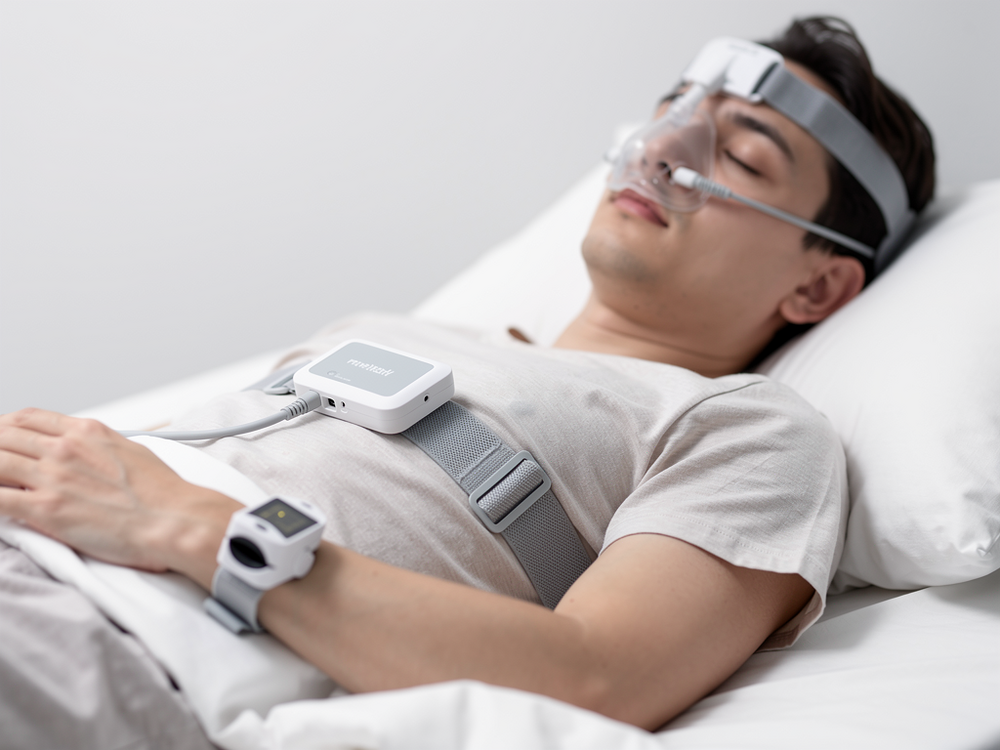
For many with a high pre-test probability of obstructive sleep apnea, the first diagnostic step is a home sleep test. This involves wearing a compact monitor overnight that tracks breathing effort, airflow, oxygen levels, and heart rate. It’s convenient, cost-effective, and often sufficient to confirm a diagnosis of moderate to severe apnea.
In-Lab Sleep Study (Polysomnography)
If a home test is inconclusive, complex, or if other disorders like narcolepsy are suspected, an in-lab study may be recommended. While it involves sleeping at a clinic with more sensors, it provides a comprehensive picture of brain waves, muscle activity, and breathing, offering the most definitive diagnosis.
Effective Treatment Options for Restorative Sleep
A diagnosis of sleep apnea is the beginning of reclaiming your energy, not a life sentence. Multiple effective treatments exist, and finding the right one is a process of partnership with your healthcare team.
CPAP Therapy: The Gold Standard
Continuous Positive Airway Pressure (CPAP) remains the most effective treatment for moderate to severe obstructive sleep apnea. A small machine delivers a gentle stream of air through a mask, acting as a pneumatic splint to keep your airway open. Modern devices are remarkably quiet, and mask technology offers a variety of comfortable options from nasal pillows to full-face designs. Success hinges on consistent use and working with your provider to ensure a proper fit.
Oral Appliance Therapy
For those with mild to moderate apnea or who cannot tolerate CPAP, a custom-fitted oral appliance from a dental sleep specialist can be an excellent solution. These devices, which resemble sports mouthguards, reposition the jaw and tongue to maintain an open airway. They are less intrusive and can be highly effective for the right anatomy.
Surgical and Other Interventions
For specific anatomical issues like enlarged tonsils or a severely deviated septum, surgery may be recommended. Newer treatments like hypoglossal nerve stimulators, which activate a nerve to keep the tongue positioned, are options for select patients. Lifestyle modifications, such as weight management and positional therapy (sleeping on your side), are important supportive strategies but are rarely curative alone for significant apnea.
Finding the right treatment can truly transform your well-being. Consider these final thoughts as you explore your options.
The timeline for improvement can be startlingly fast. Many people report a dramatic shift in daytime alertness within the first week of consistent CPAP use, experiencing the profound clarity of truly restorative sleep for the first time in years. This is the resolution to the puzzle of feeling why still tired after full night sleep not apnea—it often was apnea, silently undermining your rest.
Frequently Asked Questions
A: Yes, it is possible. While loud snoring is a common red flag, it's not a requirement for diagnosis. Some individuals have "silent" apnea events where the airway closes without the vibration that causes snoring. More commonly, snoring might be very soft, intermittent, or unreported because you sleep alone. The defining symptom is the resulting daytime impairment, not the sound.
Q: I am not overweight and exercise regularly. Could I still have sleep apnea?A: Absolutely. Weight is one risk factor among many. Anatomical factors are often primary: a naturally narrow throat, a recessed jaw, large tonsils, or a large tongue can cause significant obstruction regardless of body weight. This is precisely why fit, active individuals are frequently surprised by their diagnosis.
Q: How accurate are home sleep tests compared to lab studies?A: Home sleep tests are highly accurate for diagnosing moderate to severe obstructive sleep apnea, which is the most common form. They are an excellent, accessible first step. An in-lab polysomnography is more comprehensive and is typically used if the home test is inconclusive, suggests very mild apnea, or if a more complex sleep disorder is suspected.
Q: Are CPAP machines loud and uncomfortable to use?A: Modern CPAP devices are very quiet, often producing less sound than a whisper or a gentle fan. Discomfort is usually related to mask fit, not the machine itself. With the wide variety of mask styles available—from minimal nasal pillows to full-face masks—most people can find a comfortable option with some guidance and a short adjustment period.
Q: Will treating my sleep apnea completely eliminate my daytime sleepiness?A: For most people, effective treatment leads to a dramatic, often life-changing, improvement in daytime energy and alertness. However, if sleep apnea has been untreated for years, there may be a residual sleep debt or coexisting conditions (like a vitamin deficiency) that need to be addressed. The core mechanical cause of the fatigue, however, is resolved, allowing other interventions to work.
📌 Love this guide? Save it on Pinterest!
Pin Sleep Apnea & Daytime Fatigue: Why You're Still Tired in 2026 to your board so you can come back to it later.


Comments
Post a Comment