
Why Artichoke Supplements Cause Bloating and Gas Despite a Healthy Diet
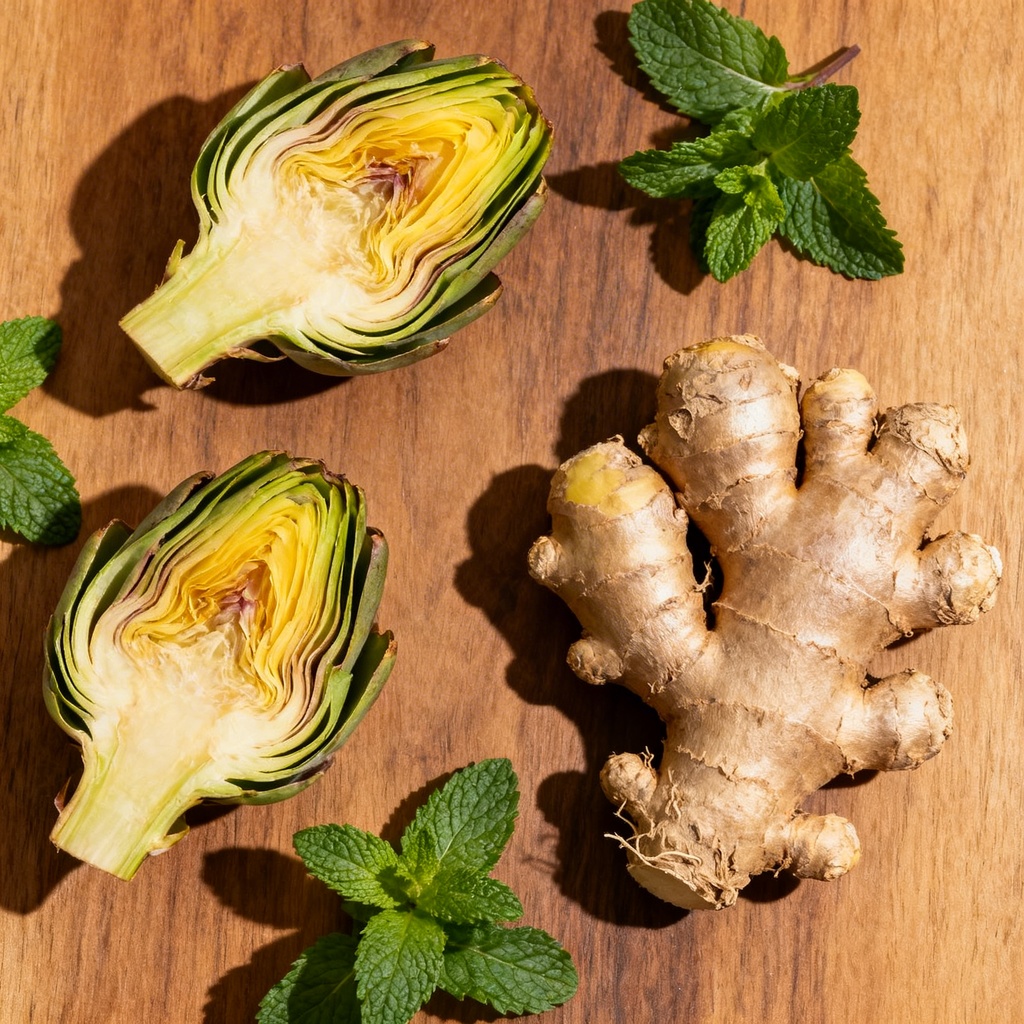
You’ve committed to a clean diet, prioritized your gut health, and introduced a supplement meant to optimize digestion. Yet, instead of the relief you expected, you’re dealing with uncomfortable bloating and gas. This frustrating experience is far from unique; it’s a growing point of confusion for health-conscious individuals, particularly busy professionals who find that a solution has seemingly backfired. The disconnect lies not in your efforts, but in a critical oversight: how a potent botanical extract interacts with the complex reality of a modern, stressed physiology. Understanding this clash is the first step toward reclaiming both your digestive comfort and your confidence in managing your health.
The Invisible Failure: Why Artichoke Supplements Trigger Bloating
The decision to take an artichoke supplement is often rooted in a desire for better digestion, making the onset of gas and a distended stomach feel like a personal setback. This paradoxical reaction is the core frustration echoed across health forums and patient communities, where users report their clean diets aren't preventing these unexpected side effects. The issue stems from artichoke leaf extract’s primary role as a powerful digestive stimulant, not a gentle soother. It aggressively prompts your liver and gallbladder into action. For a digestive system that is already sensitive, subtly imbalanced, or operating under stress, this intense pharmacological push can overwhelm the gut’s capacity to respond smoothly, creating the very symptoms you sought to eliminate.

Biological Mechanism: The Science of Bile Stimulation vs. Gut Sensitivity
Artichoke’s efficacy for issues like dyspepsia and high cholesterol is well-documented, and it operates through a specific, potent mechanism: the stimulation of bile production and flow. Bile, produced by the liver and stored in the gallbladder, is essential for emulsifying and digesting dietary fats. By increasing bile output, artichoke extract can significantly improve fat digestion and gut motility. However, this beneficial surge can become a source of distress in specific scenarios.
Bile Overproduction as an Irritant
For an individual with a sensitive or inflamed gastrointestinal tract, a sudden influx of bile can act as a direct irritant, particularly if it enters a relatively empty intestine. Bile acids are naturally harsh; in excess, they can accelerate motility too rapidly, leading to cramping, urgency, and diarrhea. This direct chemical irritation is a primary driver behind the upset stomach and diarrhea from artichoke noted in clinical trial data as adverse events. It explains why someone might experience bloating after artichoke supplement even though I eat clean—the problem isn’t the food, but the digestive fluid itself. Artichoke leaf extract - Recent findings reflecting effects on lipid metabolism,...
The Fermentation Factor of Prebiotic Fibers
Beyond bile stimulation, artichoke contains compounds like inulin—a prebiotic fiber. While prebiotics are food for beneficial gut bacteria, their fermentation in the colon produces gas as a natural byproduct. Introducing a concentrated source of these fermentable fibers to a gut unaccustomed to them, or one with a bacterial imbalance, can lead to excessive gas production. This fermentation gas compounds the bloating caused by bile irritation, creating a dual-source assault on comfort.
It's worth considering how lifestyle factors can impact supplement effectiveness. This could explain Why do men lose motivation in their late 40s.
Life Context Deep-Dive: How Desk Jobs and Stress Worsen Reactions
Most clinical summaries of artichoke extract fail to account for the lived reality of its primary users: busy, mid-career professionals. This is the critical content gap where generic advice falls short. A sedentary, high-pressure lifestyle creates a perfect physiological storm for negative reactions. Chronic stress directly heightens gut sensitivity (via the gut-brain axis) and alters motility patterns, priming your digestive tract to overreact to stimulants. Irregular meal patterns—skipping lunch during back-to-back meetings, then eating a large dinner—mean bile is either not used efficiently or is released in a sudden, overwhelming bolus when you finally take your supplement. Your body’s reaction isn’t a malfunction; it’s a logical response to a clash between a powerful botanical agent and a stressed, modern operating system.
Why Common Protocols Stop Working for Sensitive Individuals
Standard supplement dosing assumes a baseline of digestive normalcy that many simply don’t have. If you’re questioning, “is artichoke extract giving me gas instead of helping digestion,” your system is likely starting from a place of heightened sensitivity or subtle dysregulation. The very bile-stimulating effects that brilliantly address sluggish digestion can push a sensitive system into overdrive, causing diarrhea and gas. Furthermore, if your clean diet is already rich in fibrous vegetables and whole grains, adding the concentrated fermentable fibers from artichoke on top can exceed your colon’s fermentation capacity. This overload is a key reason individuals on otherwise excellent diets are blindsided by side effects, a confusion prevalent in forum discussions where healthy habits seem to offer no protection.
Perhaps a gentler approach is more sustainable for long-term wellbeing. Let's explore some strategies to mitigate these unwanted effects.
Scientific Evidence
| Approach | Best For | Timeline for Assessment | Key Consideration |
|---|---|---|---|
| Lifestyle-First Foundation | Those with high stress, irregular meals, or who are new to digestive issues. Focus on consistent meal timing, mindful eating, and stress reduction. | 4-6 weeks of consistent practice. | Addresses root causes of sensitivity; may resolve issues without any supplementation. |
| Low & Slow Supplementation | Individuals committed to trying artichoke extract but with known sensitivity or past reactions to supplements. | 2-3 weeks at a micro-dose (1/4 label suggestion) before any increase. | Requires patience; the goal is acclimatization, not immediate therapeutic effect. |
| Combined Gentle Protocol | Those needing digestive support but reacting poorly to strong stimulants. Pairs mild agents (e.g., ginger, enzymes) with foundational lifestyle work. | Benefits may be felt within 1-2 weeks; longer-term gut rebalancing over months. | Avoids the “hammer” approach; supports digestion through multiple gentle pathways. |
| Targeted Bile-Support Pathway | Individuals with clear signs of sluggish digestion, heaviness after fatty meals, and no history of diarrhea or IBS. | Therapeutic effects on digestion may take 3-4 weeks of consistent, full dosing with meals. | High likelihood of initial side effects if started at full dose; requires a robust, non-sensitive gut. |
Evidence from Clinical Studies: Documented Benefits and Side Effects
Grounding this discussion in evidence is crucial. Robust clinical research supports artichoke leaf extract’s effectiveness for functional dyspepsia, demonstrating measurable improvements in symptoms like upper abdominal pain, fullness, and early satiety. However, an honest appraisal of this same research reveals a consistent footnote: gastrointestinal adverse events are reported. These include flatulence, diarrhea, and stomach ache. They are not rare anomalies but documented outcomes for a subset of participants. The data suggests a divergence in timelines: benefits for chronic indigestion may unfold over several weeks of consistent use, while adverse effects often appear quickly if the supplement is a mismatch for an individual’s current gut ecology or state of neural sensitivity.
The Integrated Path Forward: Adapting Artichoke Supplements to Reduce Side Effects
Abandoning the supplement is not the only option. The goal is intelligent adaptation, aligning its use with your unique physiology. For the busy mom or professional with upset stomach, strategic tweaks can bridge the gap between potential benefit and practical tolerance. Absolute Collagen is another supplement that requires careful consideration.
Persona-Specific Adjustments
For the stressed professional, pairing your supplement intake with a brief, mindful breathing exercise before your largest meal can modestly lower stress-mediated gut sensitivity. Always take the capsule with a meal containing healthy fats—like avocado or olive oil—to give the stimulated bile an immediate job, preventing it from irritating an empty intestinal lining. If gas predominates, ensure exceptional hydration and consider spacing your artichoke supplement away from other high-fermentation foods (like beans or certain cruciferous vegetables) in your diet.
When to Pause and Seek Professional Advice
If symptoms persist after 2-3 weeks of careful dose adjustment and mindful consumption, it is a strong signal that artichoke extract may not suit your current gut state. Consulting a healthcare provider is essential to rule out underlying conditions like Small Intestinal Bacterial Overgrowth (SIBO) or functional gallbladder disorders, which could be aggravated by increased bile flow. This step is non-negotiable if symptoms are severe or include pain.
Safer Alternatives and Synergistic Approaches
If artichoke continues to cause distress, several gentler digestive aids may be better tolerated. Enteric-coated peppermint oil capsules can relax gut smooth muscle and ease bloating without stimulating bile. Ginger is a classic, broad-spectrum digestive aid that soothes the gut lining and supports motility. Digestive enzyme supplements can directly aid the breakdown of food, reducing the functional demand on your system. A holistic, integrated approach often yields the best result: focusing relentlessly on consistent meal timing, thorough chewing, and stress management builds a resilient digestive foundation that may reduce or eliminate the need for any supplemental “rescue” aid. why do I feel sleepy all day?
Frequently Asked Questions

If the side effects are due to initial adjustment to the fibers or bile surge, they often subside within 7-14 days as your gut adapts. However, if you continue experiencing significant gas and diarrhea from artichoke after this period, especially after implementing a lower dose, it likely indicates a fundamental mismatch. The discomfort typically ceases within a few days of discontinuing the supplement.
Q: Can I take artichoke supplements if I already have a sensitive stomach or IBS?Extreme caution is advised. The strong bile-stimulating and fermentable fiber content of artichoke can be potent triggers for individuals with IBS, particularly the diarrhea-predominant (IBS-D) or mixed subtypes. It can significantly worsen cramping and urgency. A consultation with a gastroenterologist or a knowledgeable practitioner is strongly recommended before trialing it.
Q: Who is artichoke supplement actually good for?It tends to be most beneficial for individuals with sluggish digestion, characterized by heavy fullness after meals, slow transit, and occasional constipation—especially when related to suboptimal bile production. It is less ideal for those with fast motility, a sensitive or inflamed gut, or those living with high stress and irregular eating patterns who do not exhibit these specific sluggish symptoms.
Q: What is the biggest mistake people make when taking artichoke extract?The most common error is taking the full recommended dose immediately, often on an empty stomach or with a small snack. This floods a potentially sensitive system with bile and fermentable compounds without the necessary food buffer, dramatically increasing the risk of cramping and diarrhea. Starting with a fraction of the dose, taking it exclusively with your largest meal, and observing your body’s signals is the prudent path.
Q: Should I see a doctor about bloating from my supplement?Yes, if the bloating is severe, persistent, or accompanied by sharp pain, unexplained weight loss, or significant changes in bowel habits that do not resolve after stopping the supplement. This is to rule out more serious underlying conditions. It is also wise to consult a doctor to ensure the supplement does not interact with any medications you are taking.
📌 Love this guide? Save it on Pinterest!
Pin Artichoke Supplements Causing Bloating? Why It Happens & What to Do 2026 to your board so you can come back to it later.


Comments
Post a Comment