
I Drink Water, Use SPF, and Still Ask How to Restore Skin Elasticity After 40 — What Finally Helped
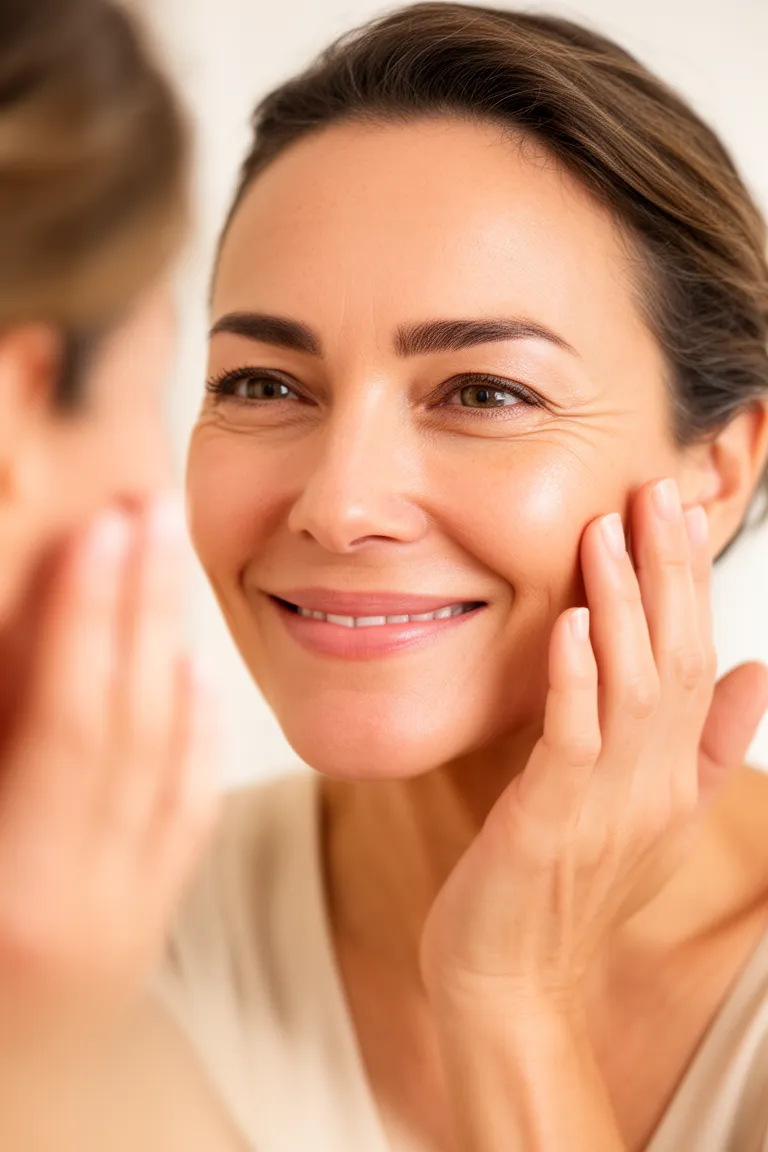
I was applying my moisturizer one morning, the one I’d spent a small fortune on, when I saw it. A soft, crepey texture on my neck and jawline that didn’t bounce back when I gently pressed it. It wasn’t a wrinkle. It was a lack of… snap. A subtle sagging that my usual routine of drinking a gallon of water a day and slathering on SPF 50 hadn’t prevented. I remember staring in the mirror, feeling a wave of pure frustration. I’d done everything the magazines said. I ate my greens, I sweated it out at the gym, I was religious about sunscreen. So why, at 47, was my skin losing its fight? It felt deeply unfair, like my body was betraying the rules I’d so carefully followed.
For months, I chased the promise of firming creams and collagen supplements, convinced the next expensive jar or pill would be the one. I’d scrutinize my skin for weeks, hoping for that “tightened” feeling, only to be met with the same disappointing reflection. The lack of visible change made me skeptical of every new product and every glowing review. I started to wonder if this was just an inevitable surrender, if the only answer was to just accept it. I felt stranded between doing all the “right” things and seeing none of the promised results.
That’s when I finally stepped back from the marketing hype and started digging into the science of skin itself. What I discovered changed everything. Restoring the appearance of skin elasticity after 40 isn’t about finding one miracle in a bottle. It’s about understanding the difference between what hydrates and what actually supports structure, and building a simple, consistent routine around that knowledge. This is the story of what finally worked when I stopped chasing instant fixes and started playing the long game.
The Morning I Realized My Skin Had Lost Its Bounce
It wasn’t a dramatic moment of noticing deep wrinkles. It was the light. The morning sun hit my profile just right, highlighting a texture on my cheek and neck that looked less like plump skin and more like delicate tissue paper. I’d heard the term “crepey,” but I never thought it would describe my skin, not when I was so vigilant. That moment sparked a frantic search for how to restore skin elasticity after 40 when nothing works, because frankly, I felt like I’d already tried everything.
I learned that loss of elasticity isn’t just about wrinkles; it’s about your skin’s underlying support system—collagen and elastin fibers—beginning to fray and degrade. Think of a brand-new trampoline versus one that’s been left in the sun for a decade. The surface might look okay, but the bounce is gone. That’s what was happening beneath my seemingly healthy skin. What I didn’t know then was how much hormones play a role. As we move through perimenopause and menopause, the drop in estrogen directly impacts collagen production and skin thickness. This hormonal shift can make changes feel sudden and dramatic, even if the damage has been accumulating slowly from years of sun exposure (photoaging).
So there I was, a health-conscious woman suddenly facing a texture issue that my healthy habits couldn’t seem to touch. It was the classic, frustrating experience improving crepey skin after 40 that so many of us share but rarely talk about with anything but despair. We whisper about it in changing rooms or scrutinize our reflections in bad lighting, wondering why our diligence isn’t paying off.
Why Drinking Water and Using Moisturizer Did Not Fully Restore Elasticity
This was my biggest “aha” moment, and it’s the core of why so many of us feel failed by our routines. I was confusing hydration with elasticity. Drinking water and using a good moisturizer are fantastic for plumping up skin cells and reinforcing your moisture barrier. Ingredients like hyaluronic acid are humectants; they draw water into the skin, giving a temporary, dewy plumpness. But that’s like filling a balloon with water—it’s fuller, but the rubber of the balloon itself isn’t any stronger. Once the water evaporates or you become slightly dehydrated, that plumpness recedes. I was treating my skin like a thirsty plant, but the problem was the pot was getting brittle.
My daily sunscreen was preventing new damage, which is absolutely critical, but it wasn’t reversing the existing sun damage (elastosis) that had already weakened my skin’s scaffolding over decades. It was a shield, not a repair crew. As for the collagen supplements I’d invested in? The science is murky on whether ingested collagen peptides can directly rebuild the collagen in your face. They might support your body’s overall collagen production, but they’re not a targeted fix. I had to accept that surface-level care, while essential for health and appearance, wasn’t addressing the structural deficit. My skin was losing elasticity after 40 despite drinking water because I was treating the symptom (dryness) and not the cause (compromised support structure). I was putting premium fuel in a car with a worn-out chassis.
The Routine I Built After Firming Creams Failed Me
Armed with this new understanding, I threw out the complicated 10-step routines and the promises of “instant lifting.” I built a minimalist, tolerance-first plan focused on three pillars: protect, hydrate, and rebuild. My morning sequence became non-negotiable: a gentle, creamy cleanser, a vitamin C serum (a potent antioxidant to help mop up free radicals and support sunscreen), a simple moisturizer, and my broad-spectrum SPF 50. That’s it. The goal was protection and barrier support, setting my skin up for success for the day. I stopped washing my face in the morning with anything but lukewarm water or the gentlest cream, realizing that over-cleansing was stripping the very barrier I was trying to fortify.
The real shift happened at night. After double-cleansing to remove sunscreen and the day’s grime (an oil-based cleanser first, then a gentle one), I introduced a retinoid. This was the “rebuild” pillar I’d been missing. Retinoids, like retinol, work at a cellular level to encourage skin renewal and boost collagen production. But here’s the crucial part most people get wrong: I started incredibly slowly. Once a week, then twice, always sandwiched between layers of moisturizer to buffer potential irritation. I prioritized consistency over aggression. On the other nights, I just did cleanse and moisturizer, sometimes adding a few drops of a nourishing face oil. This simple, gentle approach—cleanse, moisturize, retinoid—became the best routine to restore skin elasticity after 40 for my sensitive skin. I stopped layering five different actives and let one proven ingredient do its slow, steady work.
What Realistic Results Look Like at 47: Hydration First, Firmness Later
Let me be brutally honest: nothing happened for the first month. And that’s okay. In fact, that’s what I wish someone had told me. The first changes weren’t in firmness at all. Around week six, I noticed my skin was just… happier. Less dry, more even-toned, and that crepey texture looked slightly softer because it was better hydrated. The moisturizer and gentle cleansing were finally able to do their job properly on a barrier that wasn’t being assaulted by harsh products. This initial “glow” was purely from better hydration and barrier health—a win, but not the final goal.
The texture and firmness improvements took patience. We’re talking three to four months of consistent, gentle retinoid use before I could look at a side-by-side photo and see a genuine difference. The fine lines around my eyes were softer, and the skin on my jawline had a subtle, renewed resilience. It wasn’t a facelift in a bottle. It was a gradual restoration. This timeline is why so many people give up. They expect miracles in weeks, but improving skin elasticity after 40 is a marathon. You have to trust the process and understand that hydration and glow come first; structural change follows on its own slow schedule. I had to learn to look for resilience, not perfection.
| Approach | Focus & Goal | Realistic Timeline for Visible Change | Key Consideration |
|---|---|---|---|
| Barrier Repair & Hydration Only | Calming irritation, reducing dryness, improving immediate plumpness. | 4–8 weeks for smoother, calmer skin. | Essential first step. Creates the foundation for any active ingredients to work without causing damage. |
| Hydration + Consistent SPF | Preventing future damage and maintaining current skin health. | Ongoing prevention; halted further decline within weeks. | The non-negotiable baseline. Sunscreen is the single most important product for preserving elasticity long-term. |
| Hydration + SPF + Gradual Retinoid | Supporting collagen production, improving texture and firmness over time. | 3–6 months for noticeable improvements in fine lines and resilience. | The “rebuild” phase. Requires patience and a “start low, go slow” mentality to avoid irritation. |
| Comprehensive Routine + Professional Treatments | Targeting deeper structural loss and significant volume change. | Varies by treatment; requires a solid at-home routine to maintain results. | For after maximizing topical care. Think of it as enhancing the foundation you’ve already built. |
The Deeper Insight Everyone Misses: It’s About Your Skin Barrier, Not Just Ingredients
This is the content gap I lived. Every article lists “retinol, vitamin C, hyaluronic acid, SPF.” But no one talked about the order of operations. If your skin barrier is compromised from over-washing, over-exfoliating, or using too many active ingredients at once, nothing will work properly. Your skin will be irritated, red, and unable to hold onto hydration, let alone respond to a collagen-booster like retinol. My years of jumping on every new trend had likely made my skin worse, not better. I was trying to build a house on cracked concrete.
I had to become a detective for my own skin. I learned that stinging when you apply product is not “it’s working,” it’s a red flag. I learned that a simple, fragrance-free moisturizer is not boring, it’s foundational. Before I could ask does retinol help restore skin elasticity after 40, I had to ask, “Is my skin barrier healthy enough to handle it?” This meant dialing everything back. I stopped all physical scrubs, used lukewarm water, and applied moisturizer to damp skin to seal in hydration. By focusing on repair first, I created the calm, resilient environment where effective ingredients could finally do their job. This step is what separates a frustrating product graveyard from a successful, lasting routine.
Scientific Evidence
How I Kept the Routine Simple Enough to Follow Every Day
Sustainability was my secret weapon. My routine had to fit into my busy life as a mom and professional, or I would abandon it. So I distilled it down to a “minimum effective dose.” Morning: Cleanse (or just water), Vitamin C, Moisturizer, SPF. Evening: Cleanse, Moisturizer, Retinoid (2-3 times a week). That’s the core. Everything else—a weekly hydrating mask, a facial oil on non-retinoid nights—was optional, for when I had the time and inclination. I even put my SPF right next to my toothbrush so I couldn’t forget it.
I also expanded my definition of “skin care” to include lifestyle factors that support collagen from the inside: prioritizing sleep (when I could), ensuring I ate enough protein and colorful produce, and maintaining a stable weight. Yo-yo dieting can be surprisingly harsh on skin elasticity, as rapid weight loss doesn’t give skin time to adjust. This holistic but simple approach stopped me from feeling overwhelmed. It was no longer a chore; it was a short, mindful practice I did for myself. It proved that you don’t need a cabinet full of products to see change. You need a few good ones, applied consistently, with a heavy dose of patience. This is the essence of how to restore skin elasticity after 40 naturally for women—it’s a blend of smart topical care and supportive lifestyle habits, not a magic potion.
When to Consider the Next Step (And What I’m Exploring Now)
After about eight months of this consistent home care, I felt I had maximized what my topical routine could do. The improvements were real and I was thrilled, but I’m also a realist. Topical skincare has its limits against gravity and significant volume loss. So, I’ve started having conversations with a trusted dermatologist. We’re discussing whether a prescription-strength retinoid (like tretinoin) might be a logical next step for me, or if certain in-office treatments like radiofrequency microneedling could target deeper layers of collagen. best stretch mark removal cream that works. The key difference now is that I’m not looking for a quick fix out of desperation. I’m exploring options from a place of maintenance and enhancement, with a solid foundation already under my belt. My daily routine is my non-negotiable baseline that protects my investment in any professional treatment. This phased approach—master the basics first, then explore advanced options with professional guidance—feels empowered, not panicked. It’s the final piece of understanding what actually worked for sagging skin after 40: a blend of personal consistency and professional expertise, applied in that order.
Frequently Asked Questions

Q: How long does it really take to see improvements in skin elasticity with a new routine? A: You need to manage your expectations from the start. Improved hydration and a brighter complexion can appear in as little as 4-6 weeks. But for tangible improvements in firmness, fine lines, and crepey texture from ingredients like retinoids that boost collagen, you’re looking at a minimum of 3-6 months of unwavering consistency. Real change is gradual. I didn’t see the real “wow” until I hit the four-month mark with my retinoid routine.
Q: I’ve heard retinol is irritating. How do I start using it without wrecking my skin? A: This was my biggest fear. The key is to start low and slow. Begin with an over-the-counter retinol formula (not the strongest one you can find) just one night a week. Always apply it after your moisturizer has dried to buffer it. This “retinol sandwich” method—moisturizer, retinol, moisturizer—dramatically reduces irritation. Only increase frequency by one night per week every month if your skin is tolerating it well without redness, peeling, or stinging. Listen to your skin, not the bottle’s instructions.
Q: Are collagen supplements a waste of money for skin elasticity? A: It’s not a simple yes or no, but they shouldn’t be your first line of defense. The evidence that ingested collagen directly plumps facial skin is still emerging. It may support your body’s overall collagen production and benefit joints and hair. However, it should not be your primary strategy. Think of it as a potential supplement to a solid topical routine (with SPF and retinoids), not a replacement for one. Your money is often better spent on quality topical products and whole foods rich in protein and vitamin C first. best collagen cream with money back guarantee. Oral Intake of Low-Molecular-Weight Collagen Peptide Improves Hydration, Elasticity,... Oral Intake of Low-Molecular-Weight Collagen Peptide Improves Hydration, Elasticity,...
Q: My skin is sensitive. Can I still follow a routine to improve elasticity? A: Absolutely. In fact, sensitive skin requires this approach even more. Focus intensely on barrier repair first. Use the gentlest cleanser, a rich, calming moisturizer with ingredients like ceramides, and a mineral sunscreen. Introduce one active ingredient at a time, and patch test everything. You might start with a peptide serum instead of retinol, as peptides are generally gentler collagen-supporters. The core principle remains: consistency and tolerance over strength. If your barrier is happy, your skin has a fighting chance.
Q: What’s the one product I should never skip, even on a lazy day? A: Sunscreen. Full stop. All the effort you put into hydrating and supporting collagen with retinoids can be undone by a single day of unprotected sun exposure. UV rays are the single biggest accelerator of collagen breakdown. If you do nothing else, cleanse your face and apply a broad-spectrum SPF 30 or higher every single morning. It’s the ultimate non-negotiable for preserving and protecting your skin’s elasticity. I keep a spare tube in my car for this exact reason. does using collagen boosting skincare help if I already eat healthy and drink water.
📌 Love this guide? Save it on Pinterest!
Pin Restore Skin Elasticity After 40: What Finally Worked in 2026 to your board so you can come back to it later.


Comments
Post a Comment