
Sarcopenia at 40: Why You're Losing Muscle Faster Than You Think (And What to Do About It)

A quiet shift is happening in our understanding of health and aging, particularly for those in their 40s and 50s. What was once dismissed as inevitable "slowing down" or the result of a stressful desk job is now being recognized as a distinct and often reversible medical condition. New research confirms that muscle loss is accelerating in middle-aged adults at a startling rate, with a specific and high-risk group emerging: sedentary professionals. If you've noticed persistent weakness, fatigue, or a struggle with tasks that used to be easy, it's crucial to understand this isn't just a normal part of getting older—it's a signal your body needs targeted attention.
Sarcopenia Is Not Normal Aging—It's a Diagnosable Medical Condition
The critical first step is to stop blaming every ache and ounce of lost strength on the calendar. While some gradual change is expected, the rapid decline many experience is pathological, not physiological. Clinicians now define sarcopenia as a syndrome characterized by progressive and generalized loss of skeletal muscle mass and function, and it has specific diagnostic criteria that go beyond simply feeling weaker. This reframing is vital because it moves the conversation from passive acceptance to active intervention, treating muscle loss with the same seriousness as bone density loss or high blood pressure. Recent consensus from medical groups has expanded diagnostic criteria to include middle-aged adults, signaling a global clinical pivot toward earlier detection and intervention. This means the feeling of being weaker than you used to be at 50 can now be formally assessed, not just shrugged off.
Reclaim lost strength, revitalize your body.

Discover effective strategies to rebuild muscle and boost energy.
The Sedentary Trap: How Office Work Accelerates Muscle Loss in Your 40s and 50s
Your desk job is likely the single biggest lifestyle factor accelerating muscle loss. Prolonged sitting doesn't just burn fewer calories; it sends a powerful signal to your body that your muscles are not needed, triggering a cascade of metabolic and hormonal changes that promote breakdown over building. This is why many office workers report a specific pattern of symptoms: profound exhaustion at the end of the day, noticeable weakness in the legs, and difficulty climbing stairs. This isn't just fatigue from mental work; it's the direct physical consequence of disuse. Research suggests that for each additional hour of daily sitting, the risk of developing sarcopenia increases significantly, creating a perfect storm for accelerated loss and answering the common search why am I losing muscle strength in my 40s office worker.
It's essential to understand the underlying causes of this accelerated muscle loss. Maintaining muscle health requires proactive steps.
Early Signs of Sarcopenia in Your 40s
Recognizing the early warning signs is the key to prevention and reversal. These signs often creep in subtly and are mistaken for general tiredness or aging.
Distinguishing Normal Decline from Pathology
Normal aging might mean taking an extra second to get up from a low chair. Pathological decline, or early sarcopenia, looks like consistently needing to use your arms to push yourself up, avoiding stairs altogether because they feel daunting, or struggling to carry groceries from the car. It's a noticeable and progressive change in your actual physical capacity, not just a feeling. This distinction is crucial because it determines whether you need lifestyle tweaks or a targeted medical intervention.
Self-Assessment Tests for Middle-Aged Adults
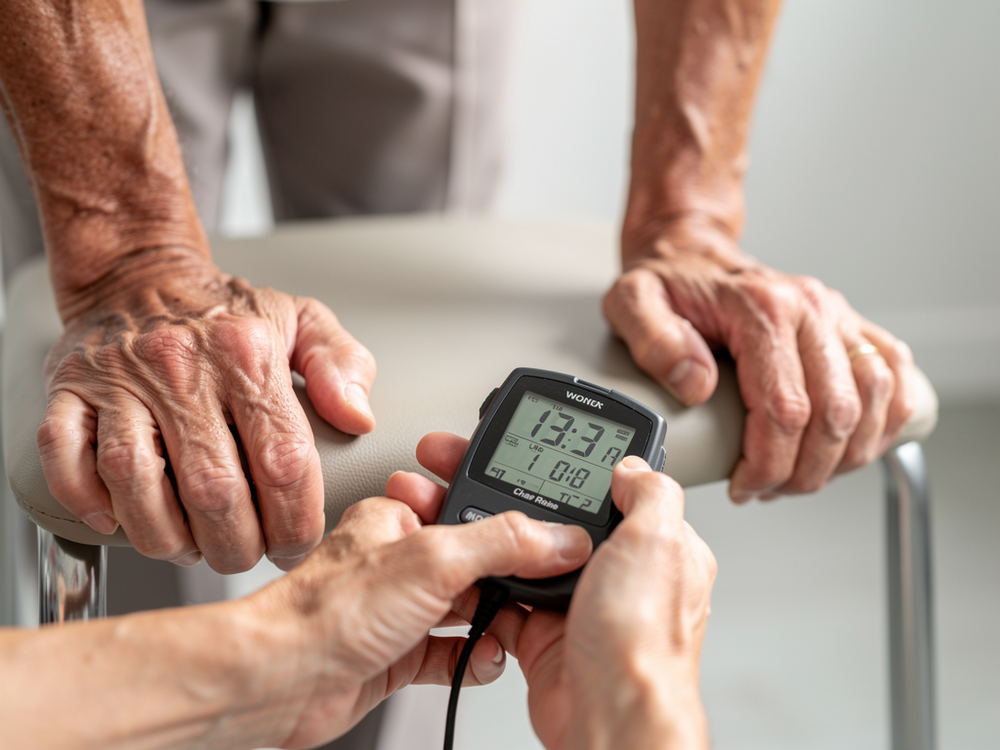
You don't need a lab to start your assessment. Simple, at-home checks can be revealing. The "chair stand test"—timing how long it takes to stand up from a seated position five times without using your arms—is a common functional measure. Noticing a decline in grip strength is another major red flag, as grip strength is a powerful proxy for overall muscle health. If you can't open jars as easily or find your handshake isn't as firm, it's a sign worth investigating further. These simple tests can provide the concrete evidence you need to start a conversation with your doctor about a potential sarcopenia diagnosis test grip strength DEXA scan.
Why Office Workers Lose Muscle Faster
The mechanics of the sedentary trap are backed by clear biological mechanisms. Muscle is metabolically expensive tissue, and your body is efficient. When you sit for 8-10 hours a day, your body begins to down-regulate muscle protein synthesis and increase pathways for muscle breakdown. The lack of regular, weight-bearing movement means the hormonal signals for growth and repair are rarely switched on, leading directly to muscle atrophy from sedentary work. supplements raise testosterone if overweight over 40 failed others
Post-COVID Myopathy Link
Compounding this issue for many is a newer, complicating factor. A significant number of people who had even mild COVID-19 infections report a new, persistent kind of exhaustion and weakness that feels different from normal fatigue. This post-viral phenomenon can directly damage the energy powerhouses of muscle cells, leading to a condition sometimes called post-COVID myopathy. It explains the surge in searches from younger adults experiencing persistent fatigue weakness months after COVID, creating a dual challenge of disuse and direct cellular injury. This emerging condition has brought muscle health into sharp focus for a younger demographic, making post-COVID fatigue muscle weakness won't go away a primary concern that bridges infectious disease and metabolic health.
Fight muscle loss, feel younger again.

Learn how targeted nutrition and exercise can reverse sarcopenia.
Post-COVID Myopathy: A New Wave of Muscle Weakness in Younger Adults
This emerging condition has brought muscle health into sharp focus for a younger demographic. Unlike general fatigue, post-COVID myopathy often involves specific muscle complaints: a deep, persistent ache, a feeling of heaviness in the limbs, and exercise intolerance where even minor activity leads to disproportionate exhaustion and muscle soreness that lasts for days. For individuals already leading a sedentary life, this viral insult can dramatically accelerate the timeline of muscle loss. It represents a significant shift in the conversation, as previously healthy adults in their 30s and 40s are now confronting a form of accelerated muscle deterioration they never expected. low testosterone vs normal aging how to tell the difference for men over 40
Fortunately, there are strategies to combat this decline and build strength. Exploring these options can significantly improve your quality of life.
Evidence-Based Reversal Strategies
The most empowering news about sarcopenia is that it is not a one-way street. With consistent, targeted effort, you can regain a significant amount of lost muscle mass and, more importantly, function. The protocol rests on two non-negotiable pillars: adequate protein and strategic resistance training.
Resistance Training for Busy Schedules
The thought of a two-hour gym session is a non-starter for most professionals. The good news is that efficiency beats duration. A focused, full-body routine performed 2-3 times per week for 30-45 minutes is profoundly effective. The goal is "progressive overload"—gradually increasing the challenge to your muscles. This can be achieved with bodyweight exercises, resistance bands, or a few dumbbells at home. The key is consistency and pushing just beyond your comfort zone, which directly counters the muscle weakness after sitting all day desk job. For those wondering how to reverse muscle loss at 45 50 without gym, this approach is entirely feasible with minimal equipment.
Protein Protocols with Timelines
Muscles are built from protein, and your requirements increase as you age and especially when you are trying to rebuild. General dietary guidelines are often insufficient. Aiming for a specific, higher daily intake spread evenly across meals provides the raw materials for repair. Combined with resistance training, you can expect to see measurable improvements in strength within 4-8 weeks. Noticeable changes in muscle size and more effortless daily movement often follow in the 8-12 week range, offering a realistic roadmap for recovery. This targeted protein intake for muscle loss prevention over 40 is a foundational step, not an optional supplement. A recent study highlights the Effects of a Combined Dietary and Physical Activity Intervention on Bone Density,..., further emphasizing the importance of diet and exercise.
Scientific Evidence
- ✔ Clinical Support: Testosil™ Formula
- ✔ Expert Community: ExcelMale Forum
- ✔ Study: Senescence-related myocardial dysfunction: keeping a young heart.
Diagnostic Criteria and When to Act
If self-assessment raises concerns, the next step is a professional evaluation. The diagnostic process for sarcopenia has evolved and now formally includes assessments for middle-aged adults showing early signs.
EWGSOP2 Updates for 40+
Modern diagnostic criteria look at three areas: low muscle strength (often measured by grip strength), low muscle quantity or quality (which can be estimated with bioelectrical impedance scales or confirmed with a DEXA scan), and low physical performance (like gait speed). You don't need to fail all three to warrant action; low strength alone is considered a key indicator of "probable" sarcopenia. This framework provides a clear path for a clinical diagnosis and moves beyond vague symptoms like general weakness.
Specialist Referral Guidelines
Start with your primary care physician and describe your specific functional losses. Mentioning terms like "sarcopenia" and your concerns about accelerated muscle loss can help guide the conversation. They may perform a grip strength test or refer you to a physiatrist, a physical therapist specializing in rehabilitation, or a sports medicine doctor. The goal is to get a baseline assessment and a structured plan, especially if you are experiencing difficulty climbing stairs weakness in legs 40s or other functional declines. how to increase libido after quitting porn and masturbation
Implementing these strategies can lead to significant improvements in muscle health. Let's explore how to make these changes sustainable.
Protein and Resistance Training: The Evidence-Based Reversal Protocol
Delving deeper into the two pillars, the strategy must be practical. For protein, this means planning. It could look like Greek yogurt at breakfast, a palm-sized portion of chicken or tofu at lunch, and fish at dinner, supplemented with a protein shake if needed. The aim is to reach a target that supports muscle synthesis. For training, the focus should be on compound movements that work multiple large muscle groups—squats, push-ups, rows, and lunges. These stimulate the most hormonal response and functional carryover to daily life. The following table compares different approaches to tackling sarcopenia, helping you understand which path might align with your current situation and goals.
| Approach | Best For | Timeline for Noticeable Change | Key Consideration |
|---|---|---|---|
| Lifestyle & Diet Focus | Early-stage concern, prevention, or those with very limited time for structured exercise. | 3-6 months for subtle functional improvements. | Requires meticulous attention to daily protein intake and non-exercise activity (walking, standing). Changes are gradual and may not reverse significant existing loss. |
| Basic Resistance Training Protocol | Individuals ready to commit 2-3 hours per week to exercise, with no major health contraindications. | 4-8 weeks for strength gains; 8-12 weeks for muscle size and endurance. | Success depends on consistency and progressive overload. Form and safety are paramount, especially for beginners. |
| Combined Medical & Training Pathway | Those with diagnosed sarcopenia, significant weakness, or complicating factors like post-viral myopathy. | Structured 3-month program with measurable milestones (grip strength, chair stand time). | Involves coordination with a doctor or physiotherapist. May include more detailed diagnostics (DEXA scan) and supervised rehab. |
| Hormonal Optimization Pathway (e.g., TRT) | A small subset where age-related hormonal decline is a primary, confirmed driver of muscle loss. | Medical intervention timeline, often combined with training. | Strictly requires formal diagnosis by an endocrinologist. Not a first-line solution and carries specific risks and monitoring requirements. |
Prevention for Long-Term Strength
The ultimate goal is to stop the decline before it starts or becomes severe. Prevention is about integrating movement and nutrition into the fabric of a busy life.
Lifestyle Integration
Set a timer to stand and walk for five minutes every hour. Take walking meetings. Keep resistance bands in your desk drawer for a quick set of rows or leg extensions. Prioritize protein at every meal. View these not as optional "wellness" activities but as essential maintenance for your musculoskeletal system, just like brushing your teeth is for dental health.
Safety for Different Groups
It is crucial to start slowly, especially if you have been inactive for a long time or are dealing with post-viral weakness. Consulting a physical therapist can provide a safe, personalized foundation. Listen to your body—muscle soreness is normal, but joint pain is not. Proper form is far more important than the amount of weight lifted. For those with pre-existing conditions like severe osteoporosis or uncontrolled hypertension, a doctor's clearance is essential before beginning any new resistance program.
Frequently Asked Questions
A: Not necessarily, but it's the most important possibility to rule out. The feeling of being weaker than you used to be can stem from various factors, including hormonal changes, nutritional deficiencies, or other health issues. However, progressive, unexplained loss of strength and function is the hallmark of sarcopenia. A self-assessment of your grip strength and ability to perform daily tasks, followed by a discussion with your doctor, is the best way to determine if you are on a normal aging curve or experiencing accelerated muscle loss.
Q: How long does it take to see results from a reversal protocol?A: The timeline varies, but most people will notice improvements in strength and energy levels within 4-8 weeks of consistent resistance training and optimized protein intake. Visible changes in muscle tone and more significant functional gains, like easily climbing stairs or carrying heavy items, typically become apparent after 8-12 weeks of dedicated effort. Consistency is far more important than intensity in the beginning.
Q: Is resistance training safe for someone who has never exercised and is already feeling weak?A: Yes, when started appropriately and progressively. Safety is paramount. Beginning with bodyweight exercises or very light resistance under the guidance of a physical therapist or certified trainer is ideal. They can ensure you use proper form to protect your joints. The goal is to start where you are and build gradually; even simple leg lifts or seated exercises can provide the necessary stimulus to begin rebuilding strength safely.
Q: Can I get enough protein from my regular diet, or do I need supplements?A: Many people can meet their protein needs through food alone by being intentional. Focus on including a high-quality protein source (like lean meat, fish, eggs, dairy, legumes, or tofu) at every meal. Supplements like protein powder can be a convenient and effective tool to fill gaps, especially at breakfast or as a snack, but they are not a mandatory requirement. Tracking your food intake for a few days can help you see if you are consistently hitting your daily target.
Q: If I start feeling better, can I stop the training and go back to my old habits?A: Unfortunately, no. Muscle mass and strength are "use it or lose it" attributes. The adaptations from training are maintained only through continued stimulus. Think of your new routine as a permanent part of your health maintenance, similar to a healthy diet. The good news is that once you rebuild a foundation, you may be able to maintain it with a slightly less frequent or intense routine, but complete cessation will lead to a return of muscle loss over time.
📌 Love this guide? Save it on Pinterest!
Pin Sarcopenia at 40: Rebuild Muscle & Strength in 2026, Expert Tips to your board so you can come back to it later.


Comments
Post a Comment