
The Modern Man's Guide to Using a Standing Desk for Health and Focus
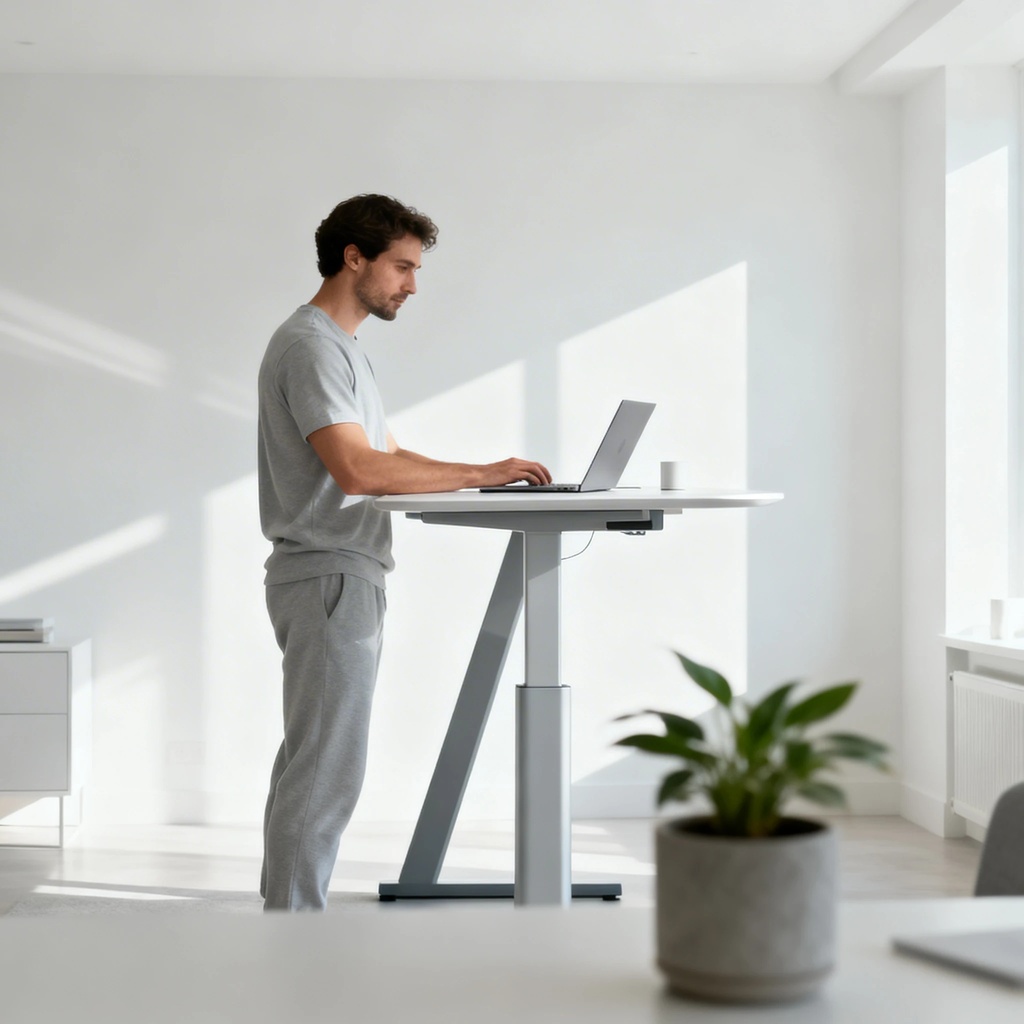
The nature of work has fundamentally changed, but our bodies haven't. For the modern man juggling career, family, and personal health, the eight-hour chair sentence is a silent crisis. We’re seeing a surge in men actively seeking to reclaim their vitality from the desk-bound grind, moving beyond reactive fixes to proactive, integrated wellness solutions. This isn't just about buying a piece of furniture; it's about strategically engineering your environment to support your body and mind for the long haul. The standing desk has moved from trendy office perk to essential tool in this movement, but its benefits are only unlocked through intelligent use. This guide cuts through the noise, providing a practical, evidence-based blueprint for integrating standing into your workday to combat fatigue, improve posture, and sustain energy without sacrificing an ounce of productivity.
The Hidden Health Costs of the Sedentary Workday
Prolonged sitting is a form of physical stress that the human body is poorly adapted to handle. When you remain seated for hours, your large muscle groups—particularly in your legs and glutes—switch off, dramatically slowing your metabolic rate and the enzyme activity responsible for breaking down fats. This static, often slouched position places uneven compressive forces on your lumbar discs and can lead to the shortening and tightening of hip flexors, pulling your pelvis out of alignment. The result isn't just occasional stiffness; it's a systemic issue that research suggests may be linked to reduced insulin sensitivity, poorer circulation, and a higher risk of metabolic syndrome. For men in their prime, this translates to low back pain that creeps in by mid-afternoon, a stubborn energy slump, and a feeling of physical "rustiness" that undermines both work performance and the desire to be active after hours.
Unlock focus and energy at your standing desk.
 👉 Explore Natural Solutions
Elevate your workspace and feel the difference in your daily performance.
How a Standing Desk Works: The Science of Postural Change
A standing desk functions by altering your biomechanical relationship to your workspace, reintroducing beneficial load and movement. The act of standing engages your postural muscles—your calves, quadriceps, glutes, and core—to maintain stability. This low-level muscle activation increases your energy expenditure compared to sitting, a factor known as Non-Exercise Activity Thermogenesis (NEAT). Furthermore, standing promotes a more neutral spinal alignment, reducing the posterior pelvic tilt common in seated positions. The key mechanism, however, is variation. The human body thrives on dynamic change. By alternating between sitting and standing, you prevent the tissue adaptation and circulatory stasis that come from holding any single position for too long. It’s not about standing still, but about creating opportunities for subtle weight shifts, leg movement, and improved blood flow back to the heart.
The Neurological and Cognitive Angle
Beyond the musculoskeletal benefits, changing your posture can directly impact your mental state. Standing often induces a slight increase in alertness and can be particularly useful during tasks requiring broad focus or creative brainstorming. The mild physical engagement can help combat the drowsiness that follows lunch or long meetings. Think of it as a gentle, physical reset button for your brain, moving you from a passive, receptive state to a more active, engaged one.
Choosing the Right Standing Desk: A Buyer's Guide for Your Home Office
Your desk is the foundation of your setup, and the right choice depends on your space, budget, and commitment to the practice. The market offers three primary paths, each with distinct trade-offs.
Many men are also exploring the nmn benefits for humans to enhance their energy levels alongside using a standing desk.
| Approach | Best For | Timeline for Benefit | Key Consideration |
|---|---|---|---|
| Fixed-Height Standing Desk | The budget-conscious user with a dedicated standing space who is certain of their ideal standing height. | Immediate, but limited by inability to sit. | Precision in height measurement is critical. An uncomfortable height cannot be adjusted. |
| Manual Crank Adjustable Desk | Those wanting flexibility without electronics, who don't mind a minor physical effort to switch positions. | Flexible, allows for a true sit-stand routine once acclimated. | The crank mechanism can be slow. Ensure the desk is stable and easy to raise from a seated position. |
| Electric Sit-Stand Desk | Users seeking maximum convenience, frequent position changes, and often sharing the desk with others. | Most sustainable long-term, encouraging regular movement. | Prioritize motor quality and stability at full extension. Look for programmable height memory for multiple users. |
| Desktop Converter/Riser | Renters, temporary setups, or those testing the waters before a full investment. | Provides a taste of standing work, but ergonomics can be more challenging to dial in. | Check that your monitor and keyboard can be positioned independently for proper alignment. |
Beyond the lifting mechanism, assess the work surface size for your monitors and equipment, the weight capacity, and the noise level of electric motors if you take calls or work in a shared space.
Reclaim your vitality, one stand at a time.
👉 Explore Natural Solutions
Discover how a standing desk can support your long-term health goals.
This is a good point to consider how to maximize the benefits of your new setup. Many men are also exploring the benefits of supplements like Gummy Supplement to further enhance their overall well-being.
The Non-Negotiables: Ergonomics for Standing Desk Success
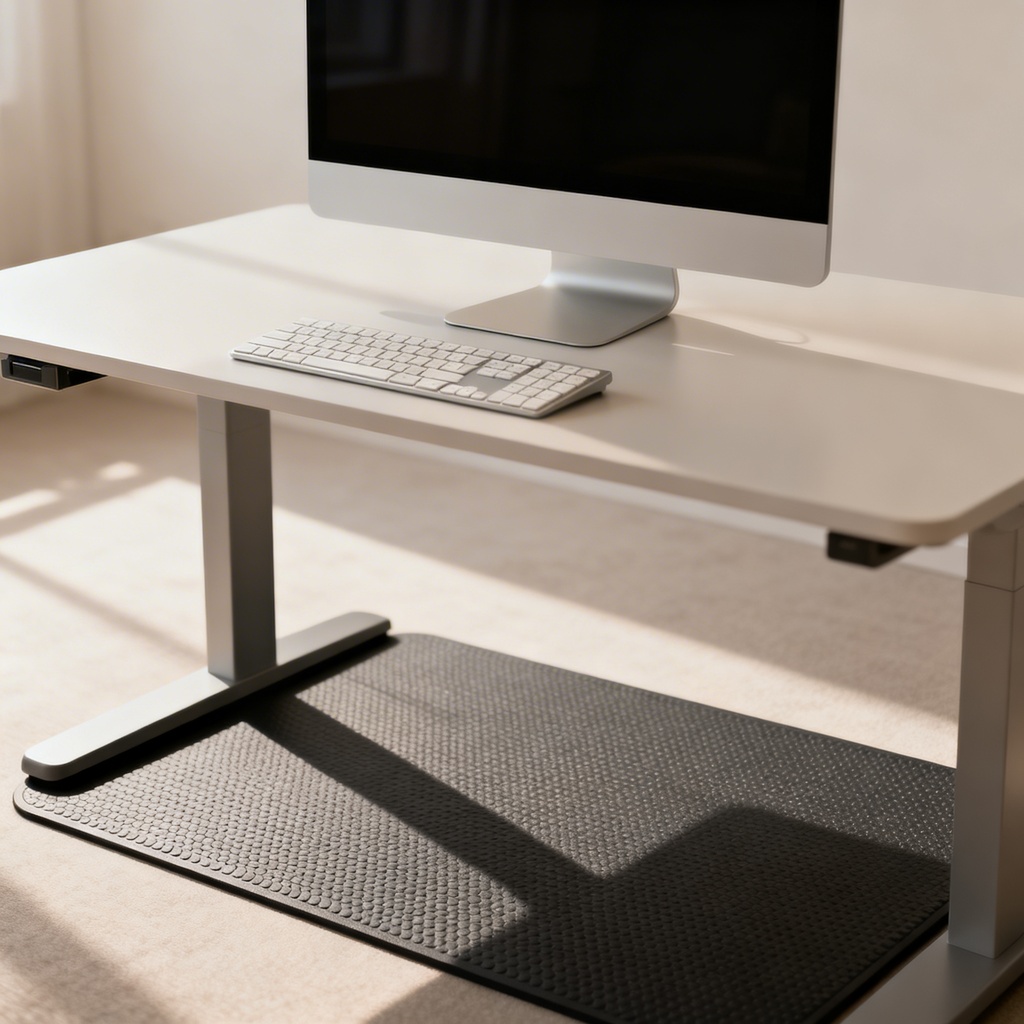
Standing poorly is just as harmful as sitting poorly. Correct setup is paramount. Your desk height should allow your elbows to rest comfortably at a 90-degree angle with your wrists straight and floating above the keyboard—your forearms should be parallel to the floor. Your primary monitor's top line should be at or slightly below eye level, positioned about an arm's length away to prevent forward head posture. A secondary monitor should be angled toward you. Footwear is a critical, often overlooked component. Supportive shoes with good arch support are essential; standing barefoot or in socks on a hard floor is a recipe for plantar fascia strain. For most men, an anti-fatigue mat is not an accessory but a core part of the system, encouraging micro-movements in the feet and calves that improve circulation and reduce joint pressure.
Building Your Personalized Sit-Stand Routine
The "perfect" ratio isn't a fixed number; it's what feels sustainable and pain-free for you. A common and sensible starting point is the 20-8-2 rule: for every 30 minutes, aim for 20 minutes of sitting, 8 minutes of standing, and 2 minutes of moving or stretching. Begin conservatively. On your first day, try standing for 15-20 minutes total, broken into short segments. Listen to your body's signals—stand when you feel mentally sluggish or physically stiff, and sit for tasks requiring deep, sustained concentration or when you feel genuine fatigue in your legs or feet. Use technology to your advantage: simple timer apps or smartwatch reminders can help build the habit until it becomes instinctual. The goal is rhythmic variation, not endurance standing.
Advanced Movement Integration
Once comfortable with basic standing, introduce dynamic elements to amplify benefits. A balance board or a discreet footrest can keep your lower body subtly engaged. Practice shifting your weight from heels to toes, or occasionally lifting one foot onto a small stool to change the load on your pelvis. These micro-movements significantly increase muscle activation and circulation compared to static standing.
Scientific Evidence
Essential Accessories to Elevate Your Setup
While the desk is the centerpiece, the right supporting gear transforms the experience from tolerable to optimal. An anti-fatigue mat is the highest-return investment, providing cushioning and proprioceptive feedback that reduces lower limb discomfort. A high-quality monitor arm grants you precise, effortless screen positioning that a fixed stand cannot match. If your routine includes sitting, do not pair a premium standing desk with a subpar chair. Invest in an ergonomic office chair with adjustable lumbar support, seat depth, and armrests. For those who feel the urge to fidget, a balance board or a simple footrail can satisfy that movement need productively.
Some men also find that incorporating Liquid Collagen Peptides into their daily routine complements the benefits of a standing desk.
To truly maximize the benefits, consider a few final adjustments. Let's review some common mistakes and how to avoid them.
Common Standing Desk Mistakes and How to Correct Them
Many initial negative experiences are due to correctable errors. The most frequent mistake is the "all-or-nothing" approach: standing for hours on day one, leading to foot, knee, or lower back pain. The fix is a gradual, phased build-up of standing time. Another critical error is poor monitor placement, resulting in a craned neck or hunched shoulders. Regularly audit your posture: ears over shoulders, shoulders over hips, hips over ankles. Avoid locking your knees while standing; maintain a soft, slight bend. Finally, neglecting your lower body mobility outside of work will undermine your efforts. Regular stretching for tight hip flexors, hamstrings, and calves is non-negotiable for long-term comfort.
Is a Standing Desk Right for You? A Realistic Assessment
Standing desks offer profound benefits for specific profiles. They are exceptionally well-suited for knowledge workers, remote professionals, and students who experience low back discomfort from sitting, suffer from post-lunch energy crashes, or simply want to increase their daily movement. They can be a powerful tool for managing weight as part of a broader strategy by boosting NEAT. However, they are not a universal solution. Men with pre-existing conditions like severe osteoarthritis in the knees or hips, chronic venous insufficiency, or certain circulatory disorders should consult a physician before adopting a standing routine. It is also not a substitute for exercise, proper nutrition, or targeted physical therapy for existing injuries. It is one strategic tool within a holistic approach to health.
Measuring Your Progress: Tangible Signs of Improvement
The results of a well-executed standing desk practice are both felt and observed. Within the first week, many men report a noticeable reduction in afternoon brain fog and an increase in general alertness. Physical benefits, like a decrease in nagging lower back tightness, often manifest after a few weeks of consistent use as supporting muscles strengthen. You may find yourself naturally adopting a more upright posture outside of work. While significant weight loss shouldn't be the primary goal, the cumulative effect of increased daily movement supports metabolic health and can contribute to better body composition over time. The ultimate success metric is a workday that leaves you feeling physically energized rather than depleted.
Frequently Asked Questions
There's no single prescribed duration. The consensus among ergonomics experts is to aim for a total of 2 to 4 hours of standing spread throughout an 8-hour workday, interspersed with sitting and movement breaks. Start with a goal of 30-60 total minutes and build up gradually over several weeks. Your body will give you the best feedback.
Can a standing desk actually help with back pain?It can, but with important caveats. If your back pain is primarily driven by poor seated posture and disc compression, alternating with standing can relieve pressure and engage stabilizing muscles, often providing significant relief. However, if your pain is due to other issues like a herniated disc, spinal stenosis, or muscle imbalances, standing may aggravate it. It's crucial to maintain proper standing posture and not simply trade one static position for another. Consulting a physical therapist for a personalized assessment is wise for chronic pain.
What are the best shoes to wear when using a standing desk?Opt for shoes with adequate cushioning, arch support, and a roomy toe box. Many find that the supportive shoes they wear for walking or casual wear are perfect. Avoid hard-soled dress shoes, thin-soled minimalist shoes, or going barefoot. If you must wear less-optimal shoes indoors, consider supportive orthotic inserts as a compromise.
Do I really need an anti-fatigue mat?While not absolutely mandatory, it is one of the most recommended and cost-effective upgrades for comfort. A good mat reduces impact on your joints, encourages subtle leg and foot movement, and can dramatically extend the amount of time you can stand comfortably. For anyone planning to stand for more than an hour total per day, it's a wise investment.
How do I handle phone calls or focused work while standing?For phone calls, a headset or quality headphones with a microphone are essential for freedom of movement. For deep, focused work that typically requires sitting, listen to your body. It's perfectly fine to sit for these tasks. The flexibility to choose your posture based on the task and your physical state is the core advantage of an adjustable desk. Use standing for more active tasks like reviewing emails, video calls, or brainstorming.
📌 Love this guide? Save it on Pinterest!
Pin Standing Desk Guide 2026: Boost Energy, Focus, and Men's Wellness to your board so you can come back to it later.


Comments
Post a Comment