
Natural DHT Blockers for Female Hair Thinning: Top Foods and Supplements That Actually Help
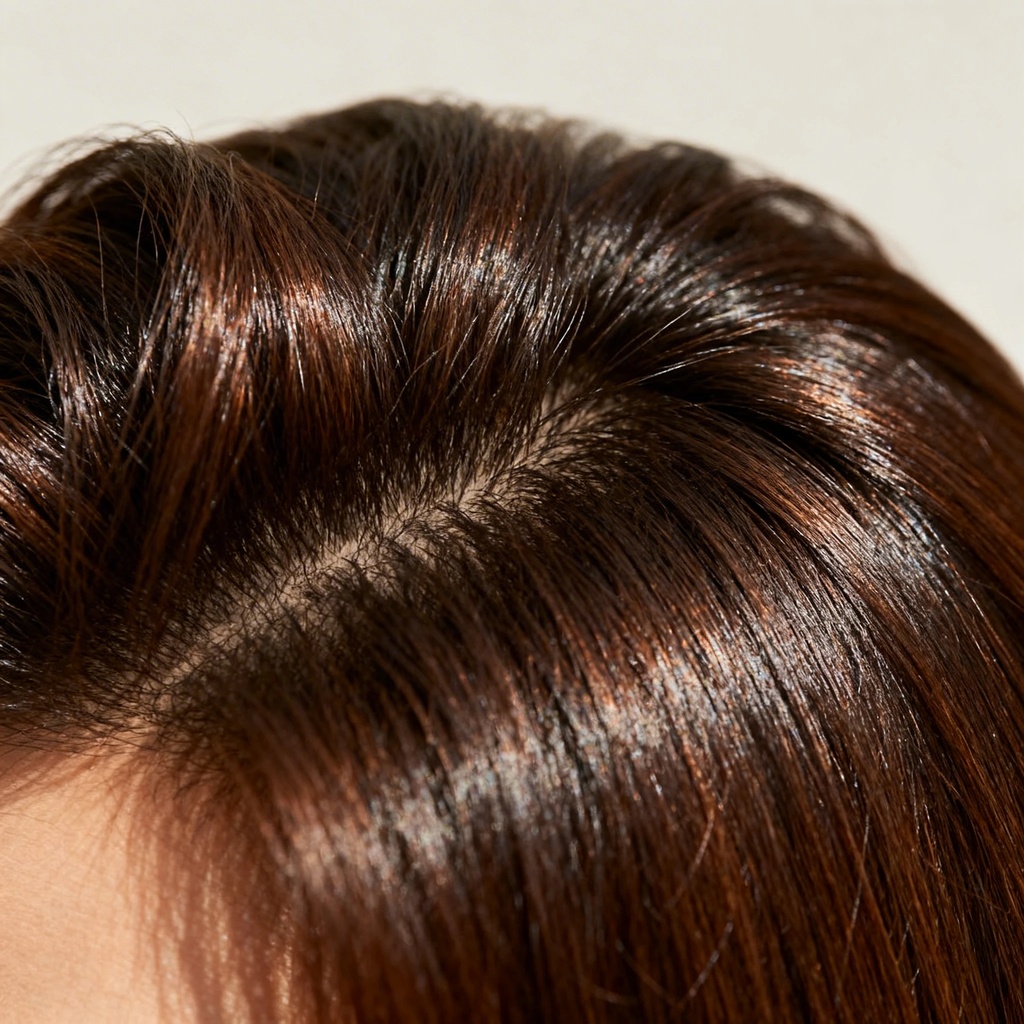
If you’re a woman noticing your hair thinning, you’ve likely scoured the internet for natural solutions, only to try popular remedies with underwhelming results. This growing frustration is why there’s a surge in searches from women seeking targeted, effective protocols that go beyond generic advice. The conversation is shifting from simple lists to understanding why natural DHT blockers for female hair thinning often fail when used in isolation and how to build a female-specific, research-informed routine. This article addresses that exact gap, providing a nuanced roadmap based on hormonal science and realistic expectations.
What Is DHT and Why It Hits Women Differently
Dihydrotestosterone (DHT) is a potent androgen hormone derived from testosterone, and its role in female hair loss is complex and often misunderstood. While it’s a primary driver of male pattern baldness, women experience its effects through a different biological lens. Women have lower overall androgen levels but can be exquisitely sensitive to them, particularly during hormonal transitions like perimenopause, menopause, or with conditions like Polycystic Ovary Syndrome (PCOS). In female pattern hair loss (FPHL), DHT gradually miniaturizes hair follicles on the top and crown of the scalp, leading to shorter, finer hairs that produce less coverage over time. Unlike the receding hairline common in men, women typically experience diffuse thinning and a widening part, making the hair feel globally less dense.
Unlock thicker, fuller hair naturally.
 👉 Explore Natural Solutions
Support healthy hair growth with a balanced approach to DHT.
The Miniaturization Timeline: Understanding Reversibility
Follicular miniaturization is a slow process that occurs over years, not weeks. The critical concept for intervention is the hair growth cycle. Hair follicles don’t simply "die" immediately; they enter a prolonged resting (telogen) phase and produce progressively weaker hairs. Early intervention, when follicles are merely "sleeping," offers the best chance for recovery with natural DHT blockers. Once a follicle has been dormant for too long, reactivation becomes significantly more challenging, which is why acting on early signs—like increased shedding or a noticeably thinner ponytail—is crucial.
Why Hormonal Transitions Create Vulnerability
A woman’s hormonal landscape directly influences DHT’s impact. Estrogen has a protective, growth-promoting effect on hair. During perimenopause and menopause, as estrogen levels decline, the relative influence of androgens like DHT can increase, even if absolute DHT levels don’t change dramatically. Similarly, in PCOS, elevated insulin and testosterone can fuel higher DHT production. This explains why a protocol that works for a woman in her 30s with PCOS may need adjustment for a woman in her 50s experiencing menopausal thinning, highlighting the need for personalized approaches beyond generic lists.
Why Common Natural Fixes Fail for Female Thinning
Many women report deep disappointment after diligently taking a single supplement, like saw palmetto or biotin, only to see little change. This common experience isn’t a failure of natural medicine but a failure of strategy. Female hair loss is rarely about one isolated factor. Using a solo DHT blocker ignores the multifactorial nature of the issue, which often involves estrogen balance, chronic low-grade inflammation, nutrient status (like iron and vitamin D), and scalp microcirculation. Furthermore, the dosing and formulation used in studies for men’s prostate health may not be optimal, safe, or effective for the female endocrine system. Bioavailability—how well your body absorbs and uses an ingredient—is also key. A poor-quality saw palmetto extract or taking pumpkin seed oil without dietary fat for absorption can render even a good intention ineffective. This perfect storm explains the pervasive online search of why natural DHT blockers not working female hair.
Top 7 Natural DHT Blockers Backed by Research
Moving beyond generic lists, these natural agents have varying degrees of research support, with a focus on their mechanism and application for women. The goal is not to pick one, but to understand how they can work together.
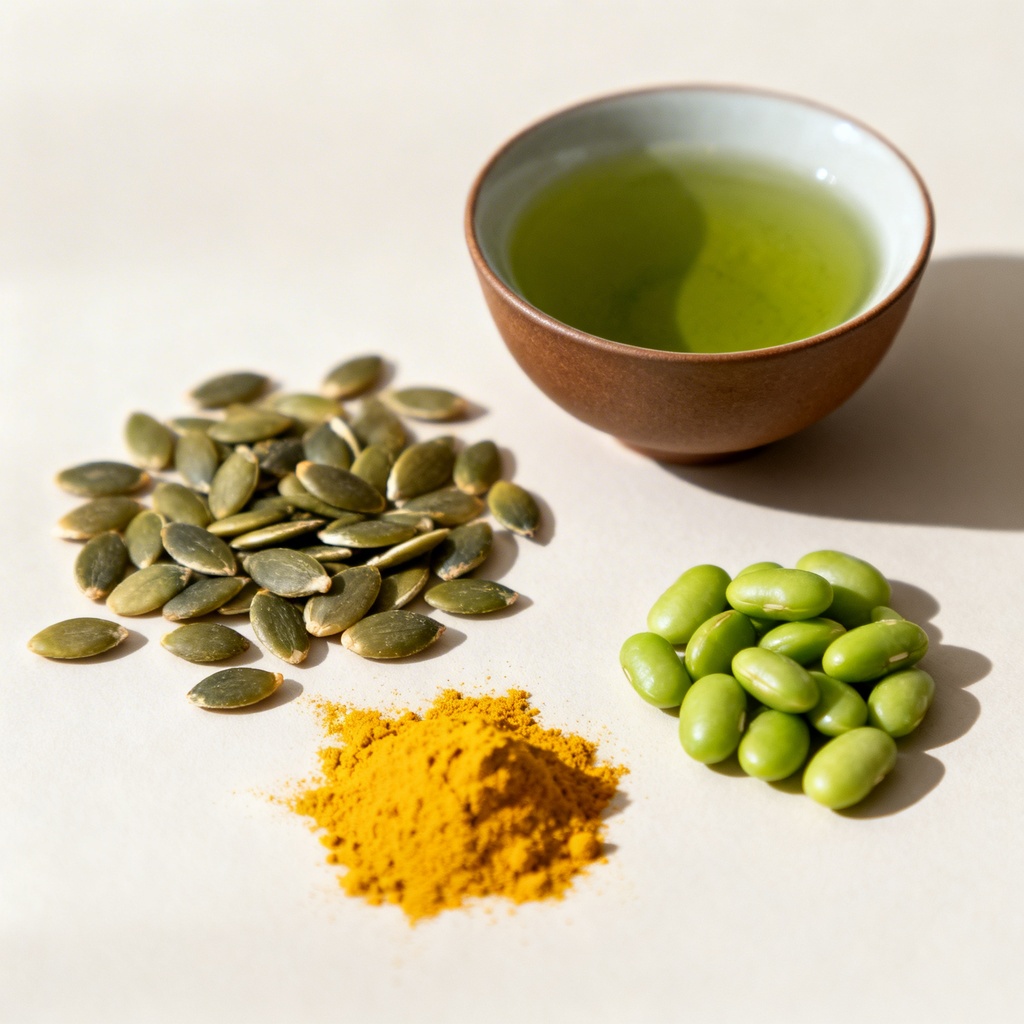
1. Pumpkin Seed OilResearch specifically on women with female pattern hair loss is promising. One study found that supplementation over 24 weeks led to a significant increase in hair count. It’s believed to work by inhibiting the 5-alpha-reductase enzyme, which converts testosterone to DHT. For a targeted natural DHT blocker for female pattern hair loss, a dose of around 400mg daily aligns with research.
2. Green Tea Extract (EGCG)The catechin Epigallocatechin gallate (EGCG) in green tea is a powerful antioxidant and a noted 5-alpha-reductase inhibitor. Green tea EGCG for female hair thinning may offer a dual benefit: reducing DHT production and combating scalp inflammation, a key exacerbating factor. A supplemental dose providing 200-400mg of EGCG daily is a common research-based approach.
3. Saw PalmettoWhile extensively studied for prostate health, saw palmetto shows promise for women by potentially blocking DHT from binding to follicle receptors. Female-specific protocols often suggest a dose of around 320mg of a liposterolic extract daily, with some studies noting improvements in hair density after several months of consistent use.
4. Soy Isoflavones (Edamame)Compounds like genistein found in soy are phytoestrogens. These plant-based compounds can gently modulate hormone activity at the follicle level. For women in perimenopause or menopause, incorporating edamame soy isoflavones to block DHT hair thinning can be a supportive dietary strategy, helping to balance the estrogen-androgen ratio.
5. Spearmint TeaSome clinical studies suggest spearmint tea has anti-androgenic effects, potentially helping to lower free testosterone levels. While not a direct DHT blocker, this upstream modulation can be beneficial, particularly for women with PCOS or signs of elevated androgens.
6. Turmeric/CurcuminIts primary value lies in potent anti-inflammatory action. Chronic scalp inflammation can worsen hair loss and impair follicle function. Using turmeric curcumin for DHT female hair loss addresses this supporting factor, creating a healthier environment for growth.
7. Onions & QuercetinRich in the flavonoid quercetin, onions offer anti-inflammatory and antioxidant benefits. Some research indicates quercetin may also inhibit 5-alpha-reductase, making it a valuable two-pronged food-based addition.
Let's consider how to integrate these elements into a comprehensive approach.
How to Stack DHT Blockers in Your Routine
Success hinges on a consistent, layered routine—a synergistic "stack" that addresses multiple pathways simultaneously. This is why combination protocols outperform single ingredients, directly addressing the forum complaints about underwhelming solo remedies.
A foundational daily stack for a woman with diffuse thinning might integrate internal and external strategies:
Scientific Evidence
- Internal DHT Inhibition: Choose one primary 5-alpha-reductase inhibitor, such as Pumpkin Seed Oil (400mg) or Saw Palmetto (320mg).
- Anti-inflammatory & Antioxidant Support: Add a secondary agent like Green Tea Extract (for EGCG) or a Turmeric/Curcumin supplement.
- Scalp Environment & Circulation: Implement a weekly topical treatment. This could be a scalp massage with diluted rosemary oil (shown in studies to be comparable to minoxidil for some) or a nourishing oil treatment. While evidence is more anecdotal, some find topical coconut oil as a DHT blocker beneficial for overall scalp health.
- Dietary Foundation: Weave DHT-blocking foods into daily meals—a handful of pumpkin seeds for DHT blocker female pattern hair loss, edamame in salads, daily green or spearmint tea.
It's also worth noting that Peptide Supplement choices can impact overall health, including hair.
| Approach | Best For | Timeline for Noticeable Change | Key Consideration |
|---|---|---|---|
| Lifestyle & Diet Focus | Women with very early thinning, seeking prevention, or who cannot take supplements. | 6-12 months | Requires rigorous consistency with dietary sources (seeds, tea, soy) and may be insufficient for established thinning. |
| Basic Supplementation (Single Ingredient) | Those new to natural remedies, wanting to test tolerance, or with very mild thinning. | 4-6 months | High risk of underwhelming results; addresses only one pathway of a multifactorial issue. |
| Combined Internal Protocol | Women with clear diffuse thinning seeking a targeted, research-backed approach. | 3-6 months | Involves 2-3 complementary supplements; offers a higher chance of efficacy but requires more investment and monitoring. |
| Integrated Full-Stack (Internal + Topical) | Those committed to a comprehensive routine who have not responded to internal-only approaches. | 2-4 months (shedding reduction) | Most robust approach but also the most time-intensive. Combines systemic DHT blocking with direct scalp support. |
Real Results: Timelines and What to Expect
Managing expectations is critical to avoid discouragement. Natural interventions work on the hair growth cycle, which is inherently slow. Setting a realistic timeline prevents the common pitfall of abandoning a protocol just before it starts to work.
Weeks 1-8: A temporary increase in shedding is possible. This is often a positive "dread shed," where resting hairs are pushed out to make way for new growth phases. It indicates the follicles are being reactivated. Months 3-4: Shedding should normalize significantly. You may feel a difference in hair "fullness" or see less hair accumulation on your brush or in the shower drain. Month 6: This is the point where clinical studies typically measure objective outcomes, like increased hair count. Visible improvements in density and scalp coverage become more apparent. This is the essential benchmark for assessing if your best natural DHT blockers women hair loss protocol is effective. Month 12 and Beyond: Continued, consistent use is necessary to maintain and build upon results. Hair growth is an ongoing process, not a one-time fix.It's important to remember that metabolic syndrome in men tired all the time low libido and low testosterone can also affect women's health and hormonal balance.
Safety, Contraindications, and When to Seek Professional Help
The pursuit of safe natural DHT blockers side effects women should be a top priority. Natural does not automatically mean risk-free, especially given the hormonal mechanisms involved.
Pregnancy, Breastfeeding, and Trying to Conceive: Avoid all DHT-blocking supplements unless explicitly approved by your obstetrician. The hormonal influence is not recommended during these sensitive periods. PCOS Management: While these remedies may be part of a strategy, PCOS is a complex endocrine condition. Work with an endocrinologist or knowledgeable healthcare provider to ensure supplements align with your overall treatment plan and don’t interact with medications like spironolactone. Menopause and HRT: Natural DHT blockers can be a core part of a strategy alongside Hormone Replacement Therapy (HRT), but it’s prudent to discuss them with your doctor to check for interactions. Critical Red Flags: Consult a dermatologist or trichologist immediately for sudden, severe shedding (telogen effluvium), patchy hair loss (alopecia areata), scalp pain, redness, or scaling. Furthermore, if you see no improvement after 6 months of a consistent, well-structured protocol, professional evaluation is essential to rule out underlying issues like iron deficiency, thyroid disorders, or autoimmune conditions. Management of androgenic alopecia: a systematic review of the literature. provides further insights into managing this condition.Now, let's look at practical ways to incorporate these strategies into your daily life.
Creating Your Female-Specific DHT Blocking Routine: Integration and Realistic Expectations
Building a sustainable routine is where theory meets practice. It’s about integrating strategies seamlessly into your life to ensure long-term consistency.
Take your core fat-soluble supplements (like pumpkin seed oil or saw palmetto) with breakfast containing healthy fats (avocado, eggs, nuts) to significantly improve absorption. Incorporate a cup of green or spearmint tea into your morning ritual.
Evening Protocol: Topical Care and RelaxationDedicate 5-10 minutes, 2-3 times per week, to scalp care. This could involve massaging with a few drops of rosemary oil diluted in a carrier oil like jojoba. The massage itself is key—it increases blood flow to the follicles, delivering nutrients and oxygen. Keep a simple journal or take monthly photos in consistent lighting to track progress objectively; this helps you see gradual changes you might otherwise miss.
Dietary Integration: Food as FoundationDon’t underestimate the power of daily food choices. Sprinkle pumpkin seeds on yogurt, snack on edamame, add turmeric to soups and sauces, and include onions in your cooking. This creates a nutrient-rich baseline that supports your supplemental efforts.
Addressing underlying issues like Why do I have no motivation anymore can also indirectly support hair health.
Frequently Asked Questions
This isn’t necessarily true. The difference lies in the underlying cause and strategy. Male pattern baldness is often more aggressively driven by DHT and genetics. For women, where thinning is frequently tied to hormonal shifts and inflammation, a multi-targeted natural protocol that addresses these co-factors can be very effective. Women’s protocols often succeed by balancing the hormonal environment, not just bluntly blocking DHT.
Can I combine natural DHT blockers with minoxidil or finasteride?Yes, this is a common and often effective strategy. Natural blockers aim to reduce the root cause (DHT and inflammation), while minoxidil is a vasodilator that stimulates growth. They can work synergistically. Finasteride is a prescription DHT blocker; combining it with natural ones should only be done under a doctor’s supervision to avoid over-suppression. Always discuss combinations with your dermatologist.
How do I know if a remedy is actually working or just placebo?Rely on objective measures. Take clear, well-lit monthly photos of your part and crown from the same angle and distance. Count the hairs you lose in the shower over a 60-second wash period once a week. A consistent reduction in shedding and gradual visual improvement in photos over 4-6 months are strong indicators of real, biological progress beyond a placebo effect.
What if I see no results after 3 months of a consistent routine?First, ensure you are using research-backed doses and quality supplements. The hair growth cycle demands patience; a full 6-month trial is the minimum to assess efficacy for natural DHT blockers for women over 40 or any age. If after 6 months of a dedicated, multi-faceted protocol there is zero change in shedding or photos, it’s time for a professional evaluation. This indicates that your hair loss may have a different primary driver that requires alternative diagnosis and treatment.
📌 Love this guide? Save it on Pinterest!
Pin Natural DHT Blockers for Female Hair Thinning: 2026's Top Solutions to your board so you can come back to it later.


Comments
Post a Comment