
Why Visceral Belly Fat Accelerates Heart Aging in Men Over 50—Even If You Look Fit

Recent clinical research has fundamentally changed our understanding of heart health for men in midlife. The most significant threat may not be your total weight, but a specific type of fat that actively ages your cardiovascular system from the inside out. This is visceral fat, and a wave of new studies confirms it drives heart damage in men over 50 with a unique ferocity, even in those who appear fit or have a normal BMI. This isn't about aesthetics; it's about a measurable, preventable accelerator of cardiovascular aging that demands a targeted response.
Visceral Fat vs. Visible Belly Fat: Why You Can Look Fit and Still Have Heart Damage
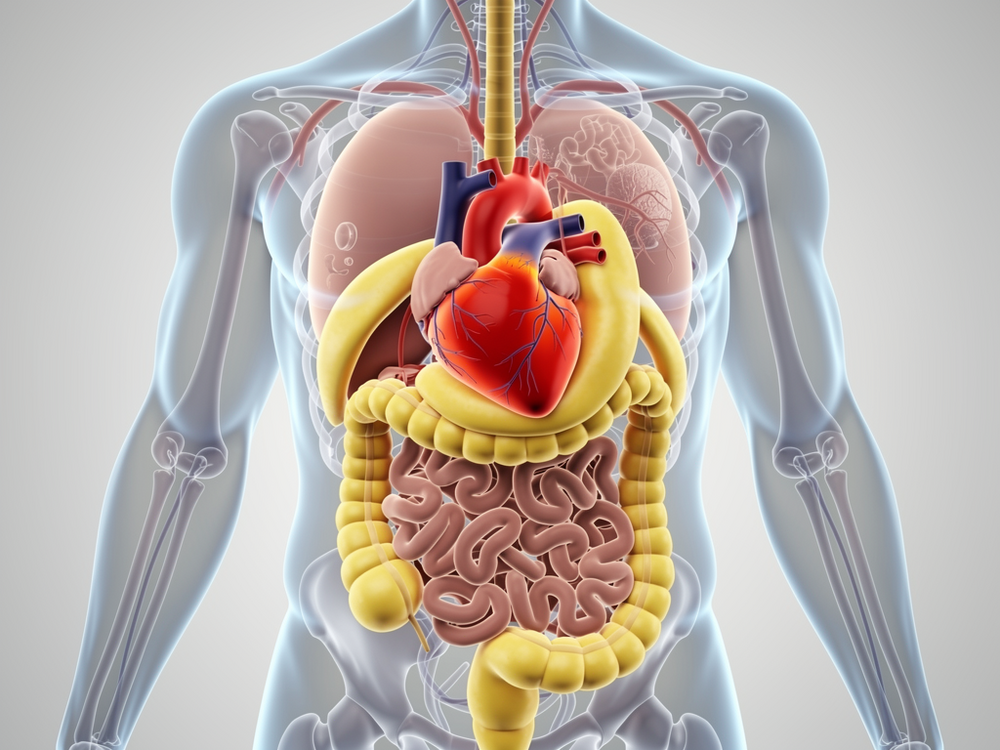
The critical distinction lies beneath the surface. Subcutaneous fat is the pinchable layer just under your skin. Visceral fat is the dense, biologically active tissue that wraps around your internal organs—your liver, pancreas, and intestines. This hidden visceral fat is a primary reason low testosterone and prediabetes in men lifestyle changes that help why belly fat causes heart damage even in normal-weight men. It functions like an independent endocrine organ, releasing a constant stream of hormones and inflammatory chemicals directly into the portal vein, which carries blood straight to your liver. This direct line to your body's metabolic command center is what makes it so dangerous. Recent MRI studies reveal that men can maintain an athletic appearance or a normal BMI while harboring significant, dangerous visceral fat deposits, a frustrating reality that explains why traditional weight metrics often fail to reflect true cardiovascular risk.
Unlock a younger, healthier heart now.

Take control of your cardiovascular health and reduce visceral fat.
The Testosterone-Visceral Fat Cycle: Why Belly Fat Accelerates After 50
A powerful and frustrating biological feedback loop intensifies for men in their 50s, driven by hormonal shifts. Testosterone decline, which begins subtly after age 30, plays a direct role in regulating where your body stores fat. As levels drop, the body becomes more prone to storing fat viscerally. This isn't a passive process. The accumulating visceral fat then produces an enzyme called aromatase, which converts the remaining testosterone into estrogen. This creates a self-perpetuating metabolic trap: lower testosterone promotes more belly fat storage, and more belly fat further suppresses testosterone. This cycle is the core of the male-specific metabolic trap that renders traditional calorie-focused diets increasingly ineffective after 50, leaving many men feeling their body is working against them.
Let's consider how to interrupt this cycle and regain control of your body composition. There are strategies to help manage this process.
Insulin Resistance and Metabolic Syndrome: The Hidden Driver of Stubborn Abdominal Fat
Visceral fat and insulin resistance are locked in a vicious cycle that makes abdominal fat notoriously stubborn. The inflammatory signals from visceral fat make your muscle, liver, and fat cells less responsive to insulin, the hormone that ushers glucose out of your bloodstream. Your pancreas compensates by pumping out more insulin. Chronically high insulin levels are a powerful signal for your body to store fat, and they preferentially drive that storage into the visceral area. This explains why men over 50 often find that cutting calories alone doesn't touch their midsection; the underlying hormonal environment of insulin resistance is actively working against them. This condition, often part of metabolic syndrome, is the hidden driver of stubborn abdominal fat that frustrates so many active men.
Inflammation as the Mechanism: How Visceral Fat Ages Your Cardiovascular System
Chronic, low-grade inflammation is the primary weapon visceral fat uses against your heart and arteries. Unlike more inert subcutaneous fat, visceral fat cells are hyperactive, pumping out a steady stream of inflammatory proteins like interleukin-6 and free fatty acids. This inflammatory flood travels through your bloodstream, damaging the delicate endothelium—the inner lining of your arteries. This damage makes arteries more susceptible to plaque buildup, reduces their elasticity (causing stiffness), and promotes high blood pressure. This process of vascular aging occurs silently, accelerating wear and tear on your entire cardiovascular system years before any symptoms emerge. This direct link between visceral fat inflammation and heart aging is a key focus of modern cardiology. Body composition and muscle health changes after providing vascular imaging results...
Reclaim your vitality after 50.

Simple lifestyle changes can reverse the effects of visceral fat.
Heart Muscle Changes Detectable Before Symptoms: What Advanced Imaging Reveals
The damage from this inflammatory assault reaches the heart muscle itself. Advanced cardiac imaging studies now show that men with high visceral fat develop early, structural changes in their hearts. The myocardium, the heart muscle, can begin to show signs of fibrosis—tiny scars that stiffen the tissue and impair its efficient pumping. The left ventricle, the heart's main pumping chamber, can start to remodel, becoming thicker or less efficient. These changes are measurable indicators of accelerated heart aging that can appear a decade or more before a diagnosis of heart failure or coronary artery disease. This evidence transforms the risk from a vague future concern into a present, physical reality happening at the tissue level. Why do I feel overwhelmed all the time
There are practical steps you can take to assess your risk and make positive changes. Let's examine how to identify visceral fat and what strategies are most effective.
How to Identify Dangerous Visceral Fat (Beyond the Scale)
Since BMI is a poor indicator for this specific risk, you need practical tools. The most accessible and revealing method is a simple waist circumference measurement. For men, a measurement of 40 inches or more is a strong red flag for excess visceral fat. A more nuanced metric is the waist-to-height ratio: if your waist measurement is more than half your height, it indicates increased risk regardless of BMI. Also, consider your body shape. The classic male "apple" shape, where weight is concentrated in the torso and abdomen, is strongly correlated with visceral fat accumulation and a higher heart disease risk compared to fat stored in the hips or thighs. This apple-shaped fat distribution is a key visual clue to your internal risk profile.
Scientific Evidence
- ✔ Clinical Support: Testosil™ Formula
- ✔ Expert Community: ExcelMale Forum
- ✔ Study: Muscle quality correlates with hearing thresholds: a cross-sectional analysis.
Evidence-Based Strategies to Target Visceral Fat Specifically
Reducing visceral fat requires a paradigm shift from general weight loss to targeting the metabolic and hormonal drivers of its storage. The goal is to break the cycles of inflammation and insulin resistance.
Strategic Exercise: Beyond Cardio
While any movement is beneficial, not all exercise is equal for tackling visceral fat. High-Intensity Interval Training (HIIT) has been shown to improve insulin sensitivity rapidly and can trigger beneficial hormonal responses. Concurrently, dedicated strength training is non-negotiable. Building muscle mass boosts your basal metabolic rate, improves glucose disposal, and supports healthier testosterone levels. A blend of resistance training and HIIT is far more effective for this fat depot than steady-state cardio alone. no morning wood at 40 could it be low testosterone or just stress
Nutritional Shifts: Managing Insulin, Not Just Calories
The focus must move from simple calorie restriction to managing the insulin response. Dramatically reduce intake of refined carbohydrates and added sugars, which cause sharp insulin spikes. Prioritize fiber-rich vegetables, lean proteins, and healthy fats from sources like nuts, avocados, and olive oil. This approach promotes satiety, stabilizes blood sugar, and creates a hormonal environment less conducive to visceral fat storage. Think of food as a tool for metabolic control.
The Critical Role of Sleep and Stress Management
These are not optional wellness extras; they are direct interventions. Chronic stress elevates cortisol, a hormone that specifically directs fat to be stored in the visceral area. Poor sleep disrupts hunger hormones like leptin and ghrelin, increases cravings, and worsens insulin resistance. Prioritizing seven to eight hours of quality sleep and adopting stress-reduction practices like mindful breathing, walking, or meditation are foundational to reversing the visceral fat cycle.
| Approach | Best For | Timeline for Initial Change | Key Consideration |
|---|---|---|---|
| Lifestyle-First Protocol | Men with early signs (waist >40"), no major metabolic diagnoses, who can commit to consistent diet/exercise/sleep changes. | 4-8 weeks for measurable waist reduction and improved energy. | Requires high self-efficacy and consistency; benefits compound over time but demand sustained habit change. |
| Medically-Guided Metabolic Intervention | Men diagnosed with metabolic syndrome, pre-diabetes, or significant insulin resistance who have struggled with lifestyle changes alone. | Medical oversight can accelerate initial metabolic improvements (e.g., blood sugar) within weeks. | Involves a physician (endocrinologist or informed GP) to monitor health markers and guide interventions safely. |
| Comprehensive Hormone & Lifestyle Evaluation | Men with symptoms of significant testosterone decline (low energy, libido, muscle loss) alongside stubborn visceral fat. | Diagnosis and plan formulation may take several weeks; body composition changes follow. | Necessitates specialist consultation to explore root causes; testosterone replacement therapy (TRT) is a potential pathway only after thorough testing and if clinically indicated. |
Realistic Expectations and Safety for Men Over 50
Visceral fat is metabolically active and is often the first fat to mobilize with the right interventions. You may notice your belt fitting looser and energy levels improving within a month. Measurable improvements in biomarkers like blood pressure, triglycerides, and fasting insulin may take two to three months of consistent effort. However, reversing some of the structural heart aging observed in imaging studies requires long-term, sustained commitment.
Safety is paramount. Any man over 50, especially if previously sedentary or with known heart concerns, must consult a physician before initiating a new high-intensity exercise program. A doctor can provide essential baseline tests—checking blood pressure, cholesterol panels, HbA1c for blood sugar control, and inflammatory markers like CRP. This creates a personalized health snapshot and rules out contraindications. This step is not a barrier but the foundation of a smart, effective, and safe strategy to reclaim your cardiovascular health.
Frequently Asked Questions
A: Absolutely. This is a central finding of recent research. Many men have a normal Body Mass Index but carry a disproportionate amount of fat around their organs. This condition, sometimes termed "normal-weight obesity," means you can appear slim but still face the high cardiovascular risk associated with significant hidden visceral fat.
Q: Why does exercise sometimes fail to reduce belly fat for men over 50?A: If the exercise routine relies solely on steady-state cardio and ignores the underlying hormonal drivers, it may be insufficient. The intertwined cycles of testosterone decline and insulin resistance require a targeted approach. Incorporating progressive strength training to build muscle and high-intensity intervals to improve insulin sensitivity is often necessary to disrupt the metabolic trap that diet alone cannot fix.
Q: How long does it take to reduce visceral fat and see heart health benefits?A: Due to its metabolic activity, visceral fat can be reduced relatively quickly with consistent, targeted strategies—often within two to four months. Improvements in insulin sensitivity and inflammation markers can begin within weeks. The key is that cardiovascular benefits start accruing immediately as the harmful inflammatory output from the fat decreases.
Q: Is the risk from apple-shaped fat distribution the same for women?A: While abdominal fat poses risks for everyone, the pattern and timing differ. Premenopausal women are more likely to store fat subcutaneously (under the skin), which is less metabolically harmful. Men and postmenopausal women are far more prone to the "apple-shaped" visceral storage pattern, making men uniquely vulnerable to this specific cardiovascular aging pathway earlier in life.
Q: What's the first step I should take if I'm concerned about hidden visceral fat?A: Start with an objective, simple measurement: check your waist circumference at the level of your belly button. If it's 40 inches or more, it's a clear signal to take action. Then, schedule a check-up with your doctor. Discuss your concerns and ask for basic blood tests to check fasting glucose, lipid profile, and perhaps inflammatory markers to establish a baseline for your metabolic health.
📌 Love this guide? Save it on Pinterest!
Pin Visceral Fat & Heart Aging: Why Men Over 50 Must Act in 2026 to your board so you can come back to it later.


Comments
Post a Comment