
Why High Achievers Feel Stuck Despite Looking Successful: The Dopamine-Stress Connection
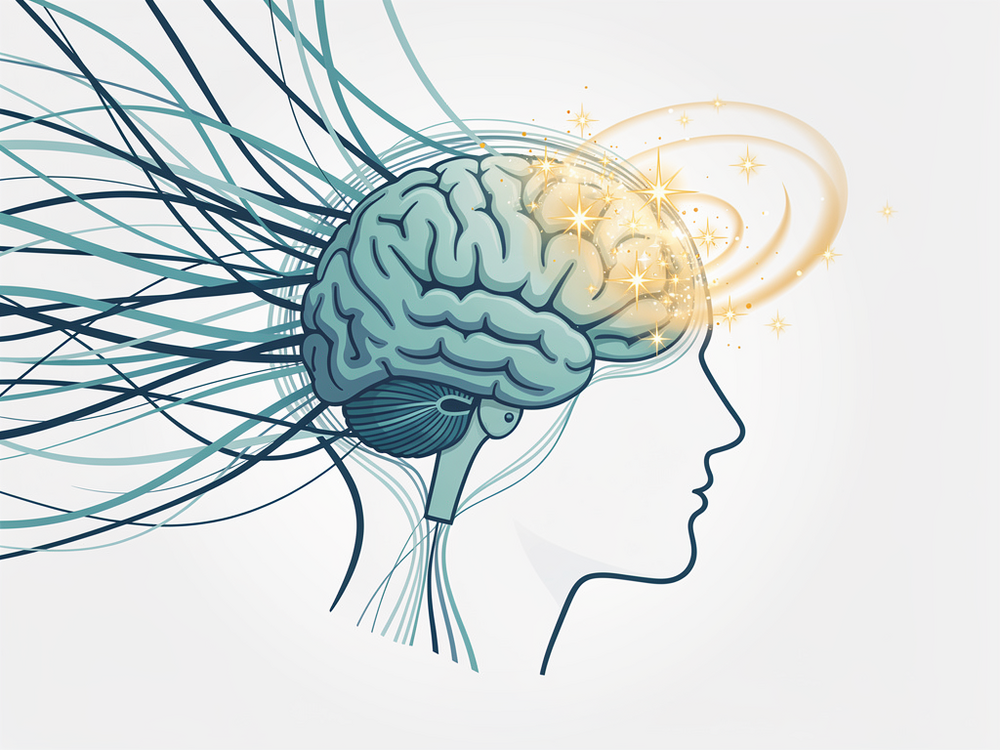
A quiet, unsettling trend is spreading among driven professionals. On the outside, everything looks like success—goals are met, deadlines are hit, and the image of competence is flawless. On the inside, however, there’s a profound sense of being stuck, numb, and inexplicably unmotivated. This isn't a simple case of laziness or a need for a vacation. For a growing number of high performers, this experience of feeling hollow despite accomplishments is a specific neurobiological response to chronic stress, one that directly targets the brain's motivation system. The disconnect between external success and internal collapse is real, and it's rooted in the powerful connection between stress hormones and our brain's reward chemistry. This is especially relevant now, as workplace surveys and clinical observations point to a rise in "performance masking," where individuals maintain output while internally depleted, often driven by unrelenting financial pressures that generic self-care advice cannot touch.
The Hidden Signs: When Success Feels Like a Facade
Recognizing the pattern is the first step toward understanding it. This state often manifests as a quiet, internal experience that doesn't match the public persona. You might find yourself going through the motions with robotic efficiency, hitting targets but feeling no sense of satisfaction or joy. There's a nagging sense of emptiness, a feeling of being "hollowed out" even as you check off another achievement. Socially and professionally, you maintain the facade—you're the reliable one, the high-performer—while privately wrestling with a complete loss of drive. This is the core of the issue: feeling stuck and numb despite accomplishments is a hallmark sign, not a personal failure.
Reclaim your drive, rediscover your joy.

Break the stress cycle and restore your natural motivation.
- External Success vs. Internal Emptiness: The hallmark is a stark disconnect. Your resume, bank statements, or social media may paint a picture of thriving, but internally, you feel flat, disengaged, and disconnected from the meaning of your own achievements. Winning feels like a procedural step, not a victory.
- Quiet Burnout Symptoms: Unlike classic burnout where performance visibly drops, this version involves maintaining output through sheer willpower or ingrained habit. Symptoms are more internal: chronic fatigue that sleep doesn't fix, cynicism about future goals, emotional numbness, and a loss of curiosity about things that once excited you.
The Neurobiology of Motivation Loss: Why Stress Breaks Your Reward System
To understand why willpower fails, we must look at the brain's wiring. Chronic stress elevates cortisol, a hormone designed for short-term survival. When cortisol levels remain high for extended periods, they begin to dysregulate the brain's dopamine system, particularly in an area called the nucleus accumbens—the epicenter of motivation, pleasure, and goal-directed behavior.
Dopamine isn't just about feeling good; it's the "wanting" chemical that fuels our drive to pursue goals, plan, and feel engaged. Under sustained stress, this system is suppressed, creating what neuroscientists call an "anti-reward state." Your brain essentially dampens its own reward circuitry as a protective measure against the constant pressure. This explains why you can achieve a major milestone and feel absolutely nothing. The biological mechanism for experiencing reward has been turned down, making motivation loss from cortisol and chronic stress a physiological reality, not a psychological shortcoming. It’s not that you don’t care; it’s that your brain’s capacity to register care has been chemically muted.
For more on related topics, read Why do men lose confidence in their 40s.
Performance Masking: The Hidden Cost of Looking Fine While Falling Apart
This neurobiological shift leads to a common yet isolating behavior known as performance masking. High achievers are often exceptionally skilled at hiding their internal distress. They maintain productivity, meet all key performance indicators, and present a thriving image to the world, all while experiencing significant internal depletion. In online forums and therapy discussions, people describe this with phrases like, "nobody knows how bad it is," or "I look fine but I'm barely holding it together."
This performance masking burnout serves as a survival strategy in competitive environments, driven by a deep-seated fear that admitting struggle will be seen as a threat to one's competency, value, and future opportunities. It’s a clinical pattern emerging in discussions about modern work culture, validating the specific, painful experience of appearing completely successful while feeling completely empty inside. This masking is exhausting, as it requires constant energy to uphold the facade, further depleting the very resources needed for genuine recovery.
It's important to recognize these patterns and address them proactively. Could small lifestyle adjustments make a significant difference?
Unlock your potential, stress-free.

Find balance and thrive without sacrificing your well-being.
Financial Stress as the Silent Motivation Killer: The Vicious Loop
While workload and workplace culture contribute, emerging data points to financial pressure as a primary, silent driver of this cycle for many professionals. It’s a particular affliction for those who are, on paper, doing well. The anxiety rarely stems from abject poverty but from a persistent background hum of insecurity: rising cost-of-living, student or business debt, saving for a home in an unstable market, or the pressure of being a primary earner.
This triggers a vicious biological and behavioral loop: financial anxiety spikes cortisol, which suppresses dopamine and kills motivation. With motivation lowered, work performance, creativity, and the proactive drive to seek new opportunities can suffer, which in turn heightens financial insecurity and anxiety. This loop perfectly explains the paradox of feeling unmotivated despite earning good money. The stressor isn't just "work"; it's the pervasive fear that the financial foundation could crumble, and that fear directly attacks the brain's ability to feel driven and rewarded, creating a state where financial anxiety destroys my drive and focus.
- The Pervasiveness of Financial Stress: Research suggests financial worries are a significant burnout contributor for a large majority of workers, cutting across income levels. It’s not about the amount, but the perception of security and control.
- The Loop of Anxiety and Performance Drop: This isn't a linear problem but a self-reinforcing cycle. Reduced motivation leads to passive work engagement, missed subtle opportunities for advancement, or diminished side-hustle energy, which can slowly erode earning potential and amplify the original financial fears.
You may also be interested in Why belly fat keeps growing even with exercise.
Why Rest and Vacation Don't Fix It: The Dopamine Baseline Problem
A common piece of advice for burnout is to simply rest or take a vacation. For someone in this stress-induced dopamine slump, these breaks often provide only temporary relief. You might feel better for a week, only to have the sense of emptiness and motivation loss at work come crashing back the moment you return to your routine.
The reason is a lowered dopamine baseline. Repeated stress doesn't just deplete dopamine temporarily; it can lead to longer-term neuroadaptive changes, like the desensitization of dopamine receptors (specifically D2 receptors). This means the brain's "normal" level of available motivation and pleasure is chemically set lower. A vacation removes the immediate stress but doesn't automatically reset this compromised neurochemical baseline, especially if the core stressor—like unresolved financial anxiety or a toxic work environment—remains fully present upon return. The brain quickly slides back into its now-established "anti-reward" state.
Scientific Evidence
- ✔ Clinical Support: Testosil™ Formula
- ✔ Expert Community: ExcelMale Forum
- ✔ Study: Oxytocin as a neurotherapeutic target for nicotine withdrawal and craving modulation.
Breaking the Cycle: Evidence-Based Steps to Restore Motivation
Understanding this mechanism is the first step toward change. The goal is not just to manage symptoms but to strategically interrupt the stress-dopamine loop at its source. This requires a targeted, two-pronged approach: systematically reducing the chronic stress load and actively, yet gently, supporting the recalibration of your reward system. Generic advice like "practice self-care" is insufficient here; the strategies must be precise and sustained.
It's worth noting that genetic factors can also influence motivation and performance, as explored in Driven by Dopamine: Genetic Insights into Motivation and Performance in Sports and...
Break the Primary Stressor LoopsBegin with honest, non-judgmental identification of your core stress triggers. For many high achievers, this is the financial pressure creating dopamine dysregulation. The action isn't necessarily to double your income overnight but to create a tangible sense of more control and predictability.
- Concrete Planning: This could mean working with a financial planner, creating a detailed budget to reduce money-related ambiguity, or developing a realistic 12-month plan to tackle a specific debt.
- Workload and Boundary Audit: Identify non-essential tasks that drain energy for little return. Practice saying "no" or renegotiating deadlines to create psychological space. The aim is to reduce the cortisol triggers that are actively suppressing your drive.
With the stressor loop being addressed, you can focus on safe, sustainable practices to gently encourage your dopamine system back to health. This is not about chasing quick hits from sugar, social media, or other impulsive behaviors, which can further dysregulate the system.
- The Power of Micro-Wins: Break large, overwhelming goals into tiny, actionable steps. Completing these "micro-wins" provides small, frequent hits of accomplishment that your brain can register, helping to retrain the reward pathway.
- Novelty and Mastery: Engage in low-stakes activities that involve learning a new skill (like a hobby) or progressing in a mastered one. Both novelty and mastery are potent, healthy stimulators of dopamine.
- Movement and Connection: Consistent, moderate exercise—especially in nature—and fostering genuine, non-transactional social connection are evidence-backed ways to support healthy neurochemistry and buffer stress.
These strategies can help restore balance, but consistency is key. Let's look at some approaches and considerations.
| Approach | Best For | Timeline | Key Consideration |
|---|---|---|---|
| Lifestyle & Behavioral Focus | Early signs of burnout, high stress from modifiable lifestyle factors (sleep, diet, exercise imbalance). | 3-6 months for noticeable baseline shift. | Requires high self-discipline and consistency; foundational for all other approaches. |
| Targeted Stressor Reduction | Those whose primary trigger is identifiable (e.g., financial chaos, toxic work role, relationship strain). | 1-3 months for reduced anxiety; motivation may follow. | Demands honest audit and potentially difficult life changes (job change, financial counseling). |
| Integrated Protocol (Behavior + Professional Support) | Persistent symptoms where lifestyle changes alone feel impossible; history of performance masking. | Ongoing process; support can create momentum for change in weeks. | Involves working with a therapist or coach to address psychological patterns alongside lifestyle shifts. |
| Medical Evaluation Pathway | Severe, persistent numbness, anhedonia, or symptoms suggesting clinical depression, anxiety, or hormonal issues. | Varies by diagnosis and treatment plan. | Critical first step to rule out underlying conditions; a doctor can provide diagnosis and treatment options (therapy, medication). |
Knowing When to Seek Specialized Support
While lifestyle and mindset shifts are powerful, there are times when professional guidance is essential. If your experience of numbness and lack of motivation is severe, persistent, and accompanied by other signs like significant changes in sleep or appetite, a loss of interest in nearly all activities, persistent feelings of hopelessness or worthlessness, or thoughts of self-harm, it is crucial to consult a healthcare provider or mental health specialist.
Consider also whether testosterone booster not working sleep deprivation cortisol could be related.
They can help determine if there are underlying conditions like major depressive disorder or an anxiety disorder that require specific treatment, such as therapy or medication. A therapist can also provide crucial support in unpacking the deep-seated patterns of high achiever burnout and performance masking, offering evidence-based tools like Cognitive Behavioral Therapy (CBT) or Acceptance and Commitment Therapy (ACT) to build resilience and cultivate a healthier, more sustainable relationship with success, stress, and self-worth.
Frequently Asked Questions

A: There's no universal timeline, as it depends heavily on the severity, duration of your stress, and how consistently you implement changes. For many, noticing small improvements—like the ability to feel minor pleasures or a slight lift in anticipation for a task—can begin within a few weeks of dedicated practice. Significant, sustained change in your baseline often takes several months, as you are essentially retraining a neurobiological system that has adapted to a high-stress state. Patience and consistency are far more important than speed.
Q: Is this approach safe, or could I accidentally make things worse?A: The core approach of reducing chronic stressors and engaging in healthy, sustainable lifestyle practices is fundamentally safe. The potential for making things worse lies in misunderstanding the solution. Seeking constant, intense dopamine "hits" through junk food, excessive gaming, impulsive spending, or substance use can further dysregulate the system, creating a crash-and-chase cycle. The goal is gentle, consistent support through nutrition, sleep, movement, and stress management, not intense stimulation. If you have any underlying health conditions, it's always wise to discuss major lifestyle changes with a doctor.
Q: I'm not in a high-stress corporate job. Could this still apply to me?A: Absolutely. The mechanism is triggered by chronic stress, not a specific job title. Early-stage entrepreneurs facing financial uncertainty, freelancers with irregular income, dual-income parents managing complex household logistics and costs, artists under pressure to commercialize their work, or anyone dealing with persistent caregiving or personal pressures can experience this dopamine-stress connection. If you relate to feeling stuck and numb despite accomplishments, regardless of your field, the underlying biology may be the same.
Q: Why don't I see this discussed in typical articles about burnout or motivation?A: Most mainstream advice focuses on surface-level symptoms—like overwhelming workload or a lack of self-care—or offers generic, one-size-fits-all tips about goal-setting and positive thinking. The specific neurobiological link between chronic stress (especially financial), cortisol elevation, and dopamine suppression is a more recent focus in integrative neuroscience and psychoneuroendocrinology. This content gap exists because it requires connecting dots across physiology, psychology, and often personal finance, a depth many generic wellness articles do not pursue.
Q: Can supplements or specific foods fix my dopamine levels?A: Nutrition plays a critical supporting role—for example, ensuring adequate protein intake provides the amino acid tyrosine, a precursor for dopamine. However, no supplement or "superfood" can override the impact of chronic stress. The foundation is always addressing the stressor loop and behavioral patterns. Think of food and potential supplements (which should always be discussed with a healthcare professional) as supportive tools for a brain that is already being healed through reduced stress and positive habits, not as a standalone solution for dopamine dysregulation from financial pressure.
📌 Love this guide? Save it on Pinterest!
Pin Unstuck in 2026: Dopamine, Stress & High Achiever Motivation Crisis to your board so you can come back to it later.


Comments
Post a Comment