
Morning Erections as a Heart Disease Early Warning: What Urologists Want Men to Know

A quiet but significant shift is happening in men's health. Urologists and cardiologists are aggressively repositioning the simple morning erection from a vague sign of sexual vitality to a critical, daily biomarker for your cardiovascular system. For men in their 30s and 40s, especially those with desk jobs, rising stress, and stubborn belly fat, a change in this morning routine is often dismissed as normal aging or low libido. The emerging medical consensus suggests it could be the earliest warning sign of silent, developing heart disease or metabolic dysfunction. This reframing, driven by recent clinical evidence and vascular health advocacy, means that paying attention to this signal could provide a crucial head start on protecting your long-term health.
Morning Erections as Your Body's Free Cardiovascular Health Test
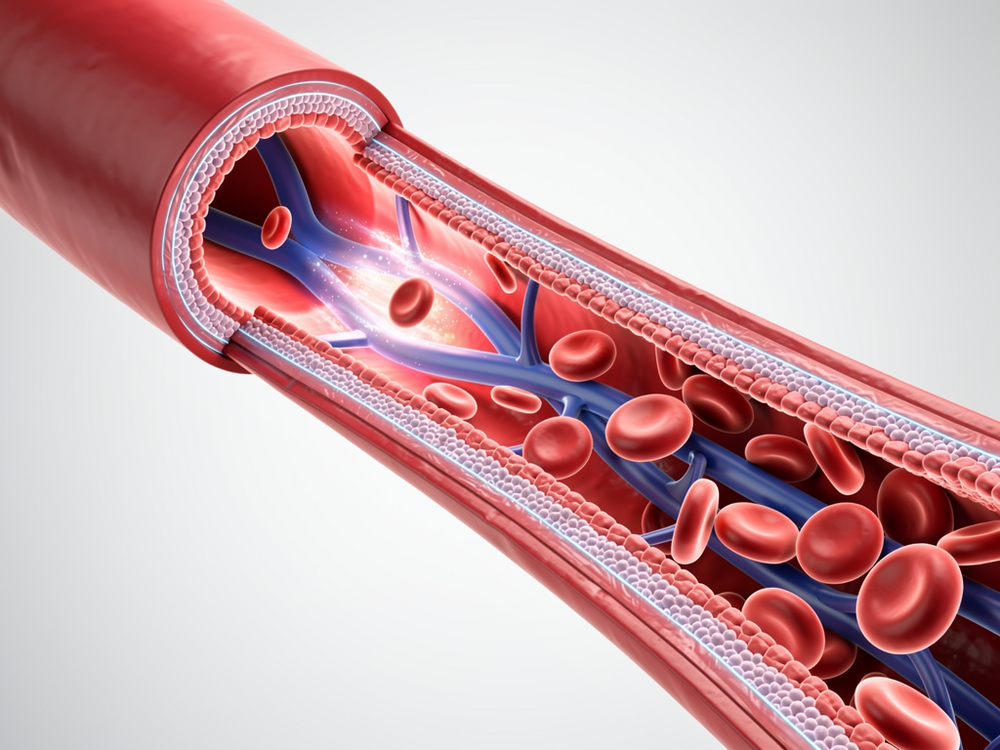
Think of your morning erection as a nightly, non-invasive stress test for your arteries. During the REM stage of sleep, your brain triggers a cascade that relaxes the smooth muscles in the penile arteries, allowing them to expand and fill with blood—a process heavily reliant on healthy blood vessels and robust nitric oxide production. The critical insight doctors now emphasize is anatomical: the penile arteries are significantly smaller in diameter than the coronary arteries feeding your heart. When systemic issues like plaque buildup or endothelial damage begin, these smaller vessels show the strain first. Therefore, a consistent decline in morning wood isn't just a sexual issue; it's often the "canary in the coal mine," signaling that your larger vascular system may be under threat years before classic symptoms like chest pain appear. This understanding is why medical professionals are now framing morning erections as an early warning sign of heart disease, a free daily check you've been overlooking.
Revive your vitality, protect your heart.

Discover how to restore healthy function and safeguard your cardiovascular health.
The Heart Disease Connection: ED as a Predictor, Not Just a Symptom
The link between erectile function and heart health is more than theoretical; it's a well-established clinical sequence. Erectile dysfunction often precedes a diagnosis of coronary artery disease by several years. The reason is foundational: both conditions share the same root cause of endothelial dysfunction. Because the penile arteries are smaller and more sensitive to blood flow restrictions, they malfunction earlier in the disease process. For a man experiencing weak morning wood at 35 40 what it means cardiovascular, this timeline is crucial. It represents a window of opportunity. Research suggests that men with new-onset ED have a significantly higher risk of a future cardiovascular event, making this symptom a powerful prompt for a comprehensive health assessment. Ignoring it means ignoring one of your body's most direct alerts about the state of your circulatory system.
Key Studies and the Importance of Timeframes
While specific percentages should be discussed with a physician, the overarching evidence is clear. Major studies have consistently shown that erectile dysfunction is an independent risk factor for future heart attacks and strokes. The predictive window can be substantial, with dysfunction often appearing one to five years before a cardiac event. This isn't about causing panic but about fostering proactive investigation. If your morning erections stopped suddenly what does it mean health, the most responsible step is to consider it a prompt to evaluate your cardiovascular risk factors with a doctor, not to write it off as inevitable aging.
It's worth considering how lifestyle changes can impact overall health. safest natural testosterone booster for men with belly fat and high stress
Insulin Resistance and Metabolic Syndrome: The Real Driver of ED in Your 30s-40s
For years, the conversation around erectile dysfunction in younger men was dominated by testosterone. While hormones matter, a more pervasive and reversible culprit has taken center stage: metabolic syndrome and insulin resistance. This cluster of conditions—marked by abdominal obesity, high blood pressure, elevated blood sugar, and abnormal cholesterol—is rampant among sedentary men. Insulin resistance, where your cells stop responding efficiently to insulin, creates a state of chronic inflammation that directly damages the delicate endothelial lining of blood vessels. Crucially, this metabolic dysfunction can simmer for a decade or more before a diabetes diagnosis. For the man in his 30s or 40s who notices changes, the cause is less likely to be a primary testosterone crash and more likely to be silently rising blood sugar and insulin levels. This reframes erectile dysfunction insulin resistance metabolic syndrome men 30s from an inevitable part of "getting older" to a treatable metabolic issue. Improving your body's sensitivity to insulin can directly improve vascular function.
The Belly Fat-Testosterone-Erectile Dysfunction Cycle: Breaking the Loop
This metabolic problem often creates a vicious, self-perpetuating cycle. Excess belly fat is metabolically active tissue that produces enzymes (aromatase) which convert testosterone into estrogen. As testosterone dips and estrogen rises, it becomes harder to build muscle and lose fat, leading to fatigue and less motivation to exercise. Reduced activity worsens insulin resistance, adds more belly fat, and further suppresses testosterone, all while continuing to damage blood vessels. The loss of morning erections is both a symptom and a fuel for this loop. Breaking the belly fat testosterone erectile dysfunction cycle how to reverse is central to recovery. The encouraging news is that this cycle is reversible. Even a modest reduction in body weight—research suggests in the range of 10-15%—can dramatically improve insulin sensitivity, positively impact hormone balance, and revive vascular function, often restoring morning erections as a welcome side effect.
Taking proactive steps is key to reclaiming your vitality.
Unlock your body's early warning system.

Learn to recognize and respond to the signals your body is sending you.
Sleep Apnea as the Hidden Culprit Behind Lost Morning Erections
If you snore, wake up feeling unrefreshed, and have fading morning wood, the connection is likely not a coincidence. Obstructive sleep apnea (OSA) is a severely underdiagnosed condition, particularly in men with larger neck circumferences. During an apnea event, breathing repeatedly stops, causing blood oxygen levels to plummet. This puts immense stress on the cardiovascular system, spiking blood pressure and fragmenting the deep, restorative REM sleep where morning erections are triggered. Furthermore, the chronic oxygen deprivation from sleep apnea morning wood loss severely impairs nitric oxide synthesis. The result is a double hit: the physical mechanism for erections is disrupted, and the sleep stage that triggers them is destroyed. For many men with desk job fatigue, poor sleep quality is a major contributor. Treating sleep apnea, often with positive airway pressure therapy, can be transformative, restoring healthy sleep architecture and, for many men, restoring morning erections within a few weeks.
Endothelial Dysfunction and Nitric Oxide: The Vascular Science Behind Fading Morning Wood
To understand why morning erections fade, you must understand the endothelium. This is the thin, single-cell layer lining all your blood vessels, acting as the command center for vascular health. A healthy endothelium produces ample nitric oxide, a signaling molecule that tells blood vessels to relax and widen, ensuring strong blood flow. A systematic review of regulatory approved drugs and pharmacological interventions... Endothelial dysfunction is the root cause where this lining becomes damaged and nitric oxide production plummets. This damage is driven by the same factors that harm your heart: high blood sugar, inflammation from poor diet, high blood pressure, and chronic stress. When nitric oxide is low, blood vessels stay constricted and rigid. Since an erection is a hydraulic event dependent on rapid, significant blood flow into spongy tissue, it's one of the first bodily functions to suffer. This explains why lifestyle changes that target endothelial health can restore function; you're fixing the foundational plumbing issue, not just masking a symptom.
A Diagnostic Framework: Is It Your Heart, Your Metabolism, or Your Sleep?
When morning erections weaken or disappear, the critical step is to systematically determine the root cause. Men often dismiss it or jump to conclusions about low testosterone. A more effective approach is a simple self-assessment before seeing a doctor.
Cardio vs. Sleep vs. Metabolic: A Self-GuideAsk yourself these key questions to form a clearer picture:
Scientific Evidence
- ✔ Clinical Support: Testosil™ Formula
- ✔ Expert Community: ExcelMale Forum
- ✔ Study: Erectile and Clitoral Dysfunction as Harbingers of Cardiovascular Disease: A
- Metabolic Health: Do you have significant belly fat? Has your doctor mentioned high fasting blood sugar, prediabetes, or metabolic syndrome?
- Sleep Quality: Do you snore loudly, wake up gasping, or feel exhausted despite a full night's sleep? Does your partner notice you stop breathing?
- Cardiovascular Risk: Do you have high blood pressure, high cholesterol, or a family history of early heart disease? Are you a smoker?
- Symptom Pattern: Is it isolated morning wood loss without erectile dysfunction during sex? This might point more strongly toward sleep issues or psychological stress. A global decline in erectile function, especially with reduced libido, points more toward systemic vascular or hormonal issues.
This framework empowers you to have a more productive conversation with your doctor, moving beyond a request for a testosterone test to a discussion about a full cardio-metabolic and sleep evaluation.
Home Tests and Essential Doctor Steps
Armed with your self-assessment, your doctor's visit should focus on investigation. Essential tests go beyond a standard physical. You should discuss:
- Blood Work: A detailed lipid panel, fasting insulin and glucose (to assess insulin resistance), HbA1c (a three-month average of blood sugar), and a morning testosterone test.
- Sleep Evaluation: A referral for a sleep study if symptoms suggest apnea.
- Cardiac Screening: Depending on risk factors, this may include an EKG or other assessments.
When you speak to your doctor, frame the conversation around risk assessment: "I'm concerned my change in morning erections could be an early sign of endothelial or metabolic problems. Can we explore that?" This aligns with the current medical understanding.
Restoring Function: A Lifestyle-First Approach to Fix the Foundation
The most empowering part of this new understanding is that the same interventions that protect your heart are the most effective ways to restore healthy morning erections. Medication like PDE5 inhibitors can be a helpful bridge, but they treat the symptom, not the underlying endothelial dysfunction. The goal is to repair the system. This requires a targeted, multi-pronged approach focused on the endothelial dysfunction erectile function nitric oxide pathway. how to increase libido after quitting porn and masturbation
An Endothelial-Fix Routine for Desk WorkersFor the sedentary man, this means building movement and health into a daily routine.
- Diet to Combat Insulin Resistance: Focus on whole foods, fiber, healthy fats, and lean protein while minimizing processed carbs and sugars. This directly lowers inflammation and improves nitric oxide production. Addressing high blood sugar prediabetes morning erections disappearing starts here.
- Strategic Exercise: Incorporate both aerobic exercise (to improve blood vessel flexibility) and resistance training (to build muscle that better manages blood sugar). Consistency trumps intensity.
- Sleep as a Priority: Practice sleep hygiene and seek evaluation for sleep apnea. Quality sleep is non-negotiable for hormone regulation and nitric oxide synthesis.
- Stress Management: Chronic stress cortisol belly fat morning wood loss is a real pathway. Techniques like mindfulness, walking, or hobbies that lower cortisol can help break the cycle.
| Approach | Best For | Timeline for Noticeable Change | Key Consideration |
|---|---|---|---|
| Lifestyle-First Protocol | Men with early metabolic signs (belly fat, prediabetes), sedentary jobs, and mild to moderate symptoms. | 4 to 12 weeks of consistent effort. | Addresses the root cause (endothelial health). Requires high personal commitment but offers the broadest health benefits beyond erectile function. |
| Medical Management + Lifestyle | Men with diagnosed sleep apnea, significant ED impacting quality of life, or those needing a "bridge" while lifestyle changes take effect. | Symptom relief can be immediate (medication); underlying improvement follows lifestyle timeline. | Combines treating the symptom to maintain quality of life with addressing the cause. Requires professional diagnosis and supervision. |
| Testosterone Replacement Pathway | Men with clinically diagnosed hypogonadism (low T) confirmed by blood tests, often with accompanying low libido and fatigue. | Weeks to months after stable treatment levels are achieved. | Only appropriate for a subset of men. Does not correct underlying metabolic or vascular issues if present, which must be managed concurrently. |
Small adjustments to your daily habits can yield significant results. porn induced erectile dysfunction how to fix naturally without pills
It's important to remember that addressing these issues holistically can improve overall well-being. Prioritizing your health can lead to a more fulfilling life.
The Psychological Barrier: Why Men Dismiss the Warning
Perhaps the biggest hurdle is overcoming the ingrained narrative of "normal aging." Society often tells men that declining sexual function is just part of getting older, something to be accepted or quietly medicated. This creates a dangerous psychological barrier where men ignore a potent early warning system, attributing changes to stress, overwork, or relationship issues for years. Urologists want men to reframe this thinking: a change in morning erections, especially for men under 50, is not a normal sign of aging but a potential flag for abnormal physiology. Overcoming this barrier requires a shift from passive acceptance to becoming an active steward of your metabolic and vascular health. The first symptom you notice might be below the belt, but the system at risk is the one that keeps you alive.
Frequently Asked Questions
A: The timeline varies based on the severity of the underlying issue, but many men notice improvements within 4 to 12 weeks of consistent lifestyle change. Positive shifts in endothelial function and insulin sensitivity can begin in just a few weeks. Improvements from treating sleep apnea can sometimes yield results even faster.
Q: Is it safe to just take an ED pill and ignore the morning erection loss?A: While ED pills are effective and safe for treating the symptom, using them as a sole solution is a missed opportunity for prevention. They do not address potential root causes like progressing heart disease, metabolic syndrome, or sleep apnea. It is crucial to investigate the underlying reason for the change with your doctor.
Q: I'm in my late 30s and my morning erections are weaker, but I can still have sex. Should I be concerned?A: Yes, this scenario warrants attention. Isolated morning wood loss without erectile dysfunction during sex can still be a significant marker, often pointing to issues like sleep apnea, high stress, or early-stage metabolic problems. It's your body's earliest signal that something in your vascular or metabolic health may be shifting, and it's the optimal time to intervene with lifestyle changes.
Q: Can losing morning erections really predict a heart attack or stroke?A: Current medical understanding suggests it can be a strong predictive marker. Research indicates that erectile dysfunction often precedes major cardiovascular events by several years because the same vascular damage that impairs erections eventually affects the coronary arteries. For many men, it is the first noticeable symptom of widespread endothelial dysfunction.
Q: Who is most at risk for having morning erection loss signal a heart problem?A: Men with existing risk factors should be most vigilant. This includes men with a sedentary lifestyle, significant belly fat, high blood pressure or cholesterol, poor sleep quality, or a family history of early heart disease. If you fall into these categories and notice a change, it's especially important to take the symptom seriously and seek a professional evaluation.
📌 Love this guide? Save it on Pinterest!
Pin Morning Erections: Men's 2026 Guide to Early Heart Health Warning Signs to your board so you can come back to it later.


Comments
Post a Comment