
Best Natural Testosterone Boosters for Men Over 40 Fighting Belly Fat and Metabolic Syndrome
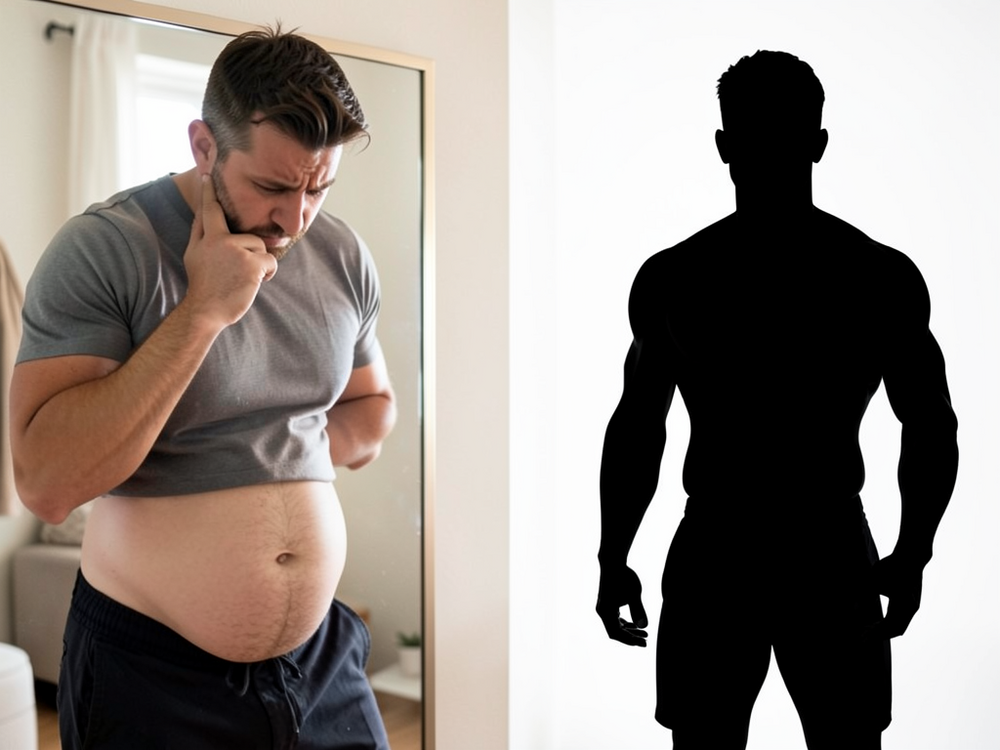
The conversation around low testosterone in middle-aged men is evolving, moving beyond simple age-related decline to focus on the strong connection between expanding waistlines, metabolic health, and plummeting T levels. Men in their 40s and 50s battling stubborn belly fat, fatigue, and creeping blood sugar levels often find that generic supplements fail because they ignore this core connection. The modern search is for solutions that tackle the root cause – the vicious cycle where obesity lowers testosterone, and low testosterone makes it harder to lose weight. Recent clinical reviews highlight a significant prevalence of late-onset low testosterone in men aged 40-49, directly tied to rising obesity and metabolic syndrome rates, which is driving more middle-aged men to seek boosters that address this underlying cause rather than relying on generic formulas.
Understanding Low T in Men Over 40
Low testosterone in your 40s is often less about chronological age and more about your metabolic health. While a natural, gradual decline does occur, a significant and problematic drop is frequently driven by factors you can influence.
Reclaim your vitality and fight belly fat.

Support healthy testosterone levels and metabolic function naturally.
Prevalence and Obesity Links
The connection between obesity and low testosterone is undeniable: carrying excess weight, particularly visceral fat stored deep in the abdomen, actively suppresses your body's ability to produce testosterone. This isn't just a correlation; it's a biological mechanism where fat tissue converts testosterone into estrogen and promotes inflammation that disrupts hormonal signals. Addressing low T effectively for many men over 40 starts with addressing their weight. Some studies suggest that over 40% of obese men may have critically low T levels.
Metabolic Syndrome Drivers
Metabolic syndrome – a cluster of conditions including high blood pressure, high blood sugar, excess belly fat, and abnormal cholesterol – is a primary driver of accelerated testosterone decline. This syndrome creates a state of insulin resistance and chronic inflammation that directly impairs the function of the testes and the brain's hormonal command center. Experiencing several of these symptoms together means they are likely working in tandem to lower your T levels.
Belly Fat Impact
Visceral belly fat isn't an inert storage depot; it's an active endocrine organ working against you. It produces hormones and inflammatory chemicals that tell your body to slow down testosterone production. The more belly fat you have, the stronger this suppressing signal becomes. This is why testosterone boosters that work with belly fat over 40 need to have a different approach than standard formulas.
How Belly Fat Crushes Testosterone Production
Visceral fat actively sabotages your hormonal balance through several key pathways. It contains high levels of an enzyme called aromatase, which converts your precious testosterone into estrogen. Higher estrogen levels then signal the brain to reduce its production orders for more testosterone. This type of fat also pumps out inflammatory proteins that disrupt the delicate communication between your brain's hypothalamus and pituitary gland and your testes. This breakdown in communication means the signal to produce testosterone never gets through clearly or strongly. Obesity is closely linked to insulin resistance, which further damages testicular cells' ability to respond to any production signals they do receive. It's a perfect storm where the fat you carry makes it biologically harder to maintain the hormones needed to lose it. New narrative reviews emphasize visceral obesity's role in hypothalamic suppression and testicular dysfunction, fueling forum discussions on the weight-testosterone vicious cycle.
Boosters That Target Metabolic Syndrome Symptoms
For the man dealing with the full picture – low energy, poor gym recovery, brain fog, and concerns about long-term health risks like type 2 diabetes – a generic testosterone booster is like using a band-aid on a deep wound. Effective solutions need to address the underlying metabolic dysfunction. The right natural t booster for metabolic syndrome men 40s should include ingredients that work on multiple fronts: supporting healthy insulin sensitivity to manage blood sugar, reducing the underlying inflammation driven by visceral fat, and directly supporting the body's natural testosterone synthesis. The goal is a formula that doesn't just try to crank out more T in a broken system but helps repair the system itself, making the body more receptive to natural production. This holistic approach can help improve energy utilization, support healthier blood pressure, and contribute to breaking the cycle that leads to further weight gain and hormonal decline. Men report fatigue, poor gym performance, and rising diabetes risk in health forums, aligning with studies linking low T to incident type 2 diabetes prevention via targeted supplementation.
It's important to consider the available options when seeking to improve overall health.
Evidence-Based Ingredients for Obese Men Over 40
When selecting a supplement, men need to look for ingredients with research backing their use in the context of weight and metabolic health. Some compounds show promise because they may help navigate the obstacles that obesity places in the way of testosterone production. Discussions spike around natural options like fenugreek and ashwagandha that raise free T despite obesity, as users complain generic boosters fail without addressing insulin resistance and inflammation.
* Fenugreek: This herb is noted for its potential to support healthy testosterone levels, particularly by inhibiting the enzymes that convert it to other hormones. Some studies suggest it may also aid in moderating blood sugar spikes, which is crucial for men with insulin resistance.
* Ashwagandha: An adaptogen renowned for reducing stress and cortisol levels. Chronically high cortisol, common in obese individuals and those under metabolic stress, is a direct antagonist to testosterone. By helping the body manage stress, ashwagandha can remove a significant barrier to healthy T levels.
* Zinc: Often deficient in individuals with obesity and metabolic syndrome, zinc is a critical mineral for testosterone synthesis. Ensuring adequate zinc status is a foundational step.
* Vitamin D: Low vitamin D is strongly correlated with both low testosterone and obesity. Optimizing vitamin D levels through supplementation (when sunlight isn't enough) supports hormonal health and immune function.
* Magnesium: Involved in hundreds of bodily processes, magnesium supports insulin sensitivity and may improve sleep quality – both vital for testosterone production and weight management.
The key is looking for supplements [that] raise testosterone if overweight over 40 failed others by including these types of targeted, evidence-informed ingredients that acknowledge the metabolic component.
Top Evidence-Based Natural Boosters
Identifying the right product means looking past marketing hype to the formula's design. The most promising boosters for this demographic are those built with synergy in mind.
Synergistic Weight-Loss Formulas
The best products don't just throw together a list of testosterone-supporting herbs. They combine them with ingredients that support metabolic health, such as berberine (for blood sugar metabolism), green tea extract (for antioxidant support and mild metabolic boost), or omega-3s (for inflammation). This creates a multi-angle attack on the problem.
Key Ingredients with Studies
Scrutinize the label for the ingredients mentioned above – fenugreek, ashwagandha, and key minerals like zinc, magnesium, and vitamin D. Check for standardized extracts (like Sensoril® for ashwagandha) which indicate a commitment to a consistent, studied potency. The presence of these in clinically relevant doses is a positive sign.
Clinical Timelines
It's vital to have realistic expectations. Natural boosters are not drugs; they support your body's own processes. While some subjective feelings of improved energy or mood might be noticed within a few weeks, measurable changes in body composition, strength, and stabilized hormone levels typically take a consistent 8 to 12 weeks of use, especially when combined with lifestyle changes. Patience and consistency are non-negotiable.
Further exploration into lifestyle modifications can also be beneficial.
| Approach | Best For | Timeline | Key Consideration |
|---|---|---|---|
| Lifestyle-Only | Men with mild symptoms and a strong commitment to diet and exercise. | 3-6 Months | Requires significant lifestyle overhaul and consistent effort. |
| Basic Supplementation | Men with moderate symptoms seeking a natural boost alongside lifestyle changes. | 8-12 Weeks | Effectiveness depends on ingredient quality and individual response. |
| Combined Protocol | Men with significant symptoms and metabolic challenges requiring a multi-faceted approach. | 12+ Weeks | Requires careful ingredient selection and monitoring for potential interactions. |
| TRT Pathway | Men with clinically diagnosed low T and severe symptoms unresponsive to other interventions. | Ongoing | Requires medical supervision and carries potential side effects. |
Lifestyle Routines for T and Fat Loss
No supplement, no matter how well-formulated, can overcome a poor lifestyle. For men over 40, the right habits are the engine, and a good booster is the high-quality fuel.
Exercise Protocols
Focus on compound strength training (squats, deadlifts, presses, rows) 3-4 times per week. Building muscle mass directly improves insulin sensitivity and boosts metabolic rate. Incorporate high-intensity interval training (HIIT) 1-2 times weekly, as it has been shown to effectively burn visceral fat and stimulate growth hormone release. Avoid excessive long-duration cardio, which can elevate cortisol.

Boost T levels, banish fatigue.

Naturally optimize your body's hormone production and energy.
Nutrition for Metabolic Health
Prioritize protein to support muscle repair and satiety. Dramatically reduce refined sugars and processed carbohydrates to manage insulin and blood sugar. Increase intake of healthy fats (avocado, olive oil, nuts, fatty fish) and fiber from vegetables. This approach reduces inflammation, supports hormone production (cholesterol is a precursor to testosterone), and facilitates fat loss.
Sleep and Stress Management
Aim for 7-8 hours of quality sleep per night. Sleep is when your body produces the majority of its testosterone. Chronic sleep deprivation destroys hormones. Actively manage stress through techniques like meditation, walking in nature, or hobbies. Lowering chronic stress directly lowers cortisol, removing a major brake on your T levels.
Safety, Contraindications and Expectations
Navigating supplementation requires a cautious and informed approach, especially for men over 40 who may have pre-existing conditions.
Who Should Avoid
Men with hormone-sensitive cancers (such as prostate or breast cancer) should avoid testosterone-boosting supplements. Those with severe kidney or liver disease should consult a doctor first. If you are on any medications, especially for diabetes, blood pressure, or blood thinners, it is critical to speak with a healthcare provider due to potential interactions.
When to See a Specialist
If you are experiencing severe symptoms like complete loss of libido, erectile dysfunction, depression, or very low energy, consult a doctor. They can perform a simple blood test to check your actual testosterone levels and rule out other causes. A specialist can discuss all options, from lifestyle and supplements to hormone replacement therapy (TRT), if appropriate.
Realistic Timelines
Understand that natural boosters are a support tool, not a magic pill. They work gradually by providing nutrients and herbal supports that your body may lack. Significant, sustained results in fat loss, muscle gain, and vitality will come from the combination of a targeted supplement, consistent diet, dedicated exercise, and proper recovery over a period of months, not days.
User Complaints and Prevention Strategies
A common and frustrating complaint in online forums is the experience of trying a testosterone booster only to continue gaining fat or seeing no change. This often happens when the supplement ignores the metabolic component.
Fat Gain Despite Supps
Men often report frustration with supplements that promise increased testosterone but fail to deliver noticeable changes in body composition, sometimes even leading to further weight gain. This highlights the importance of selecting boosters specifically formulated to address the metabolic challenges associated with obesity and insulin resistance. If a supplement doesn't consider the impact of belly fat on hormone production, it's unlikely to be effective for men over 40 struggling with their weight.
Diabetes Progression Risks
Ignoring the link between low testosterone and metabolic syndrome can have serious long-term health consequences, including an increased risk of developing type 2 diabetes. Men with low T are already at a higher risk for insulin resistance and elevated blood sugar levels. Taking a generic testosterone booster without addressing these underlying issues could mask the problem and delay necessary lifestyle changes, potentially accelerating the progression towards diabetes.
Long-Term Routines
The most effective approach to managing low testosterone and metabolic syndrome is a long-term commitment to healthy lifestyle habits. This includes consistent exercise, a balanced diet, stress management, and adequate sleep. While supplements can provide valuable support, they should be viewed as part of a comprehensive strategy, not a quick fix. Developing sustainable routines is crucial for achieving lasting results and preventing future health problems.
Love this guide? Save it to your board!
Pin this Natural Testosterone Boosters for Men 40+ to Fight Fat in 2026 to help others discover it too.


Comments
Post a Comment