
Why I Still Have Fine Lines Around My Eyes Even Though I Eat Healthy and Sleep Well
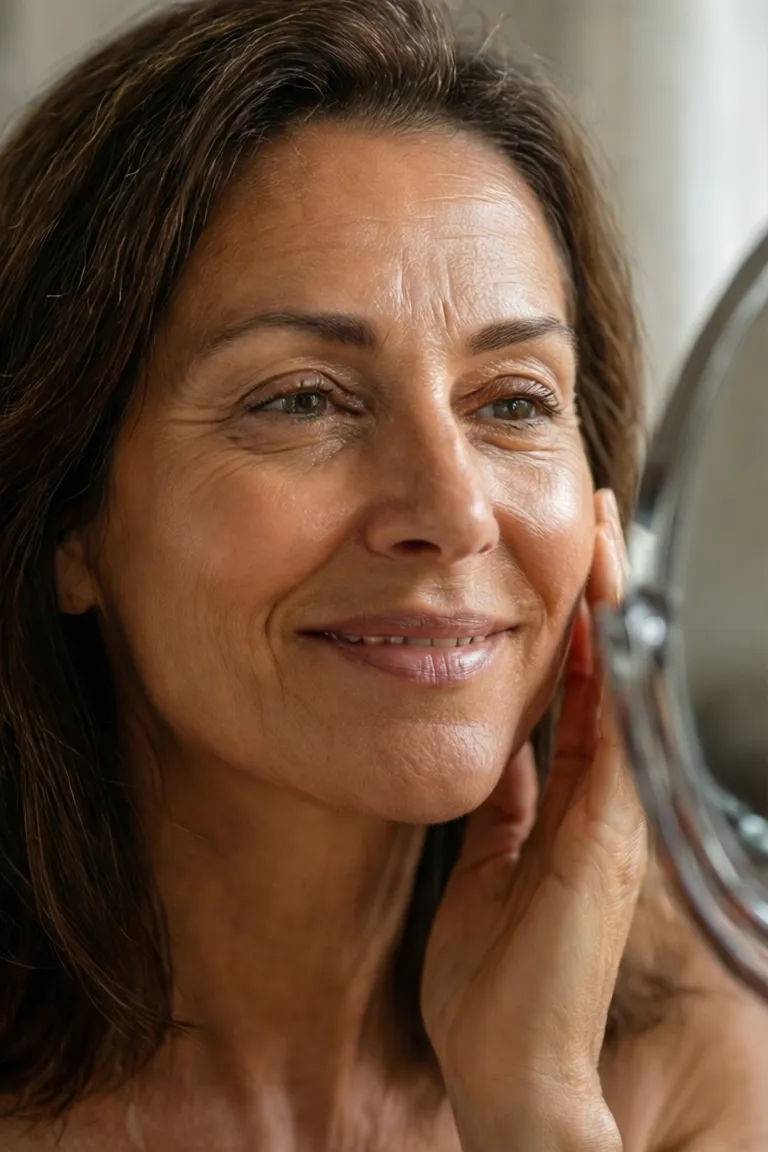
I remember the moment it hit me. I was scrolling through photos from a friend’s birthday, and there it was in every single one—that faint, crinkled map around my eyes, catching the light. I was 38, and I felt a wave of pure frustration. I’d done the work. My plate was a rainbow of vegetables, I drank water like it was my job, and I was religious about my seven to eight hours of sleep. I’d followed the so-called “rules” for glowing skin, so why were fine lines around my eyes still there, starring in every photo like uninvited guests?
It felt deeply unfair, a personal failure. I’d naively assumed that if I just took good enough care of my body, my skin would reflect that perfectly, like a mirror. I became skeptical, even a little cynical. I tried slathering on every “hydrating” and “plumping” eye cream I could find, layering on serums, and drinking even more water until I felt like a walking aquarium. The changes were minimal, fleeting—a slight plump in the morning that vanished by noon. I started to wonder if I was just destined to see these lines get deeper, a betrayal by my own face despite my healthy lifestyle. I was searching for answers to how to fix fine lines around eyes when I already eat healthy and sleep well, and coming up empty.
That’s when I realized I was asking the wrong question. I was focused on why my “good” habits weren’t erasing the lines, instead of understanding what was actually causing them. The journey from that frustration to a place of realistic understanding completely changed my approach to skincare—and my peace of mind. It’s the reason I’m writing this now, for anyone else staring at their reflection and thinking, “But I did everything right.”
I Did Everything Right, So Why Were Fine Lines Around My Eyes Still There?
The truth is, I had a fundamental misunderstanding about how skin, especially the delicate under-eye area, works. I thought of healthy eating and sleep as an eraser, something that could reverse marks that had already been made. What I learned is that they are incredible supporters and preventers, but they aren’t magic time machines. Sleep helps with fluid balance and overnight repair, nutrition provides the building blocks for collagen, and hydration keeps skin cells plump. But they work against future damage and support overall health—they don’t necessarily dissolve the accumulated effects of the past 20 years of sun, expression, and simply living.
I also had to confront the difference between dynamic lines and static lines. The laugh lines from a lifetime of smiling? Those are etched in from repeated movement. My healthy lifestyle wasn’t going to stop me from expressing joy, nor should it! And that under-eye skin is the thinnest on the entire body. It has fewer oil glands, making it prone to dryness, and it shows the slightest change in collagen, elasticity, or hydration more dramatically than, say, your cheek. So, while my good habits were absolutely helping my skin’s foundation from the inside out, they were competing with some powerful, established factors on the outside. Why do I have fine lines around my eyes despite sleeping well? Because sleep is maintenance, not reconstruction. It was a humbling, but necessary, shift in perspective.
The Under-Eye Causes I Was Completely Overlooking
My research—and a brutally honest conversation with a dermatologist—opened my eyes to a whole list of culprits I’d been blissfully ignoring. The biggest one was cumulative sun exposure. I’d been diligent about sunscreen on my cheeks and forehead, but I was often haphazard and gentle around my eyes, afraid of stinging or getting it in my eyes. Those UVA rays, the silent aging ones that penetrate glass and clouds, had been quietly doing their work for decades, breaking down collagen and elastin right where my skin was most fragile. Every drive to the grocery store, every afternoon by the window with my laptop, added up.
Then there was my own face. Squinting in bright light, focusing on screens for hours, my expressive smiles and surprised looks—all that repeated movement creates grooves, like folding a piece of paper in the same spot over and over. Over time, those grooves can become permanent residents. Add in natural collagen and elastin loss, which starts its gradual but inevitable decline in our mid-to-late 20s, and you have a perfect storm. Genetics play a huge role here, too, determining our skin’s thickness and how it ages. I realized I could be the healthiest person on the planet, but I couldn’t change my genetic blueprint or the fact that I’d spent my 20s sunbathing with baby oil (a confession that still haunts me).
Finally, I had to admit to my own subtle bad habits. Rubbing my eyes when tired or during allergy season, using makeup wipes with a bit too much vigor, sleeping with my face smushed into the pillow, and even some of the fragrant, tingly eye creams I’d tried were likely causing low-grade irritation and dryness. This inflammation, however minor, can break down skin proteins and make every fine line look more pronounced and deeper than it actually is.
The Mistakes That Made My Eye Area Look More Creased
In my frantic quest to fix the problem, I was accidentally making it worse. My first and biggest mistake was skipping sunscreen specifically on my eyelids and under-eyes. I’d apply it to my face and just kind of blend it upward, being overly cautious. I also rarely wore sunglasses unless the glare was unbearable. So, I was leaving that delicate skin exposed to the very thing that accelerates collagen breakdown daily. I was protecting my future skin everywhere but where it needed it most.
My second big error was in my product enthusiasm. Desperate for a solution, I’d sometimes over-exfoliate my face with acids and then, in my zeal, bring those actives too close to my eye area. Or I’d layer multiple new “miracle” serums at once, creating a cocktail of ingredients that my sensitive eye area couldn’t handle. This compromised my skin barrier, leading to dryness, tightness, and inflammation that highlighted every single line like a topographical map. I also learned the hard way that expecting a hydrating eye cream to remove wrinkles was like expecting a glass of water to fix a cracked vase. Hydration plumps up skin cells temporarily, making lines less visible for a few hours, but it doesn’t rebuild the structural support they’ve lost. Once the water evaporates, the lines return. This is why I tried drinking more water but still have fine lines around my eyes—it addresses only one piece of a much more complex puzzle.
What Nobody Tells You About "Quick Fixes" and Realistic Timelines
This was the biggest content gap I found, and it fueled so much of my initial frustration. So much advice out there promises rapid transformations in “just two weeks!” but my experience taught me that patience isn’t just a virtue—it’s a non-negotiable requirement. When I discovered that the natural skin renewal cycle takes about 30 days, and that stimulating new, healthier collagen is a slow, cellular process that takes even longer, I finally understood why nothing worked overnight. The skincare industry often sells the dream of reversal, but for many of us, the reality is about diligent, gradual improvement and steadfast prevention.
I had to shift my mindset from “eliminate” to “improve, protect, and maintain.” I stopped looking for a single product to save me and started thinking in terms of a supportive system. I also had to accept that some lines, especially the ones that appear when I smile, are simply the price of admission for a life lived expressively. They aren’t a flaw; they’re evidence. The goal became less about erasing history and more about caring for the skin I have now, so it stays as healthy and resilient as possible for the future.
What Can Actually Improve Fine Lines—and How Long It May Take
Armed with better information, I built a strategy based on evidence, not hype or desperation. The cornerstone, without question, is broad-spectrum SPF 30 or higher, applied religiously every single day to the entire eye area, including eyelids. This is non-negotiable prevention. It’s the most powerful tool in the arsenal because it stops the primary accelerator of aging in its tracks.
For treatment, I cautiously introduced a gentle, over-the-counter retinoid, applying it around my orbital bone (never on the moving eyelid) only two nights a week to start. I paired this with a rich, fragrance-free moisturizer to combat the dryness retinoids can cause. The key was understanding the mechanism: retinoids work by encouraging skin cells to turn over faster and by signaling to your skin to produce more collagen. It’s a gradual reprogramming, not a superficial fix. Increased CSF drainage by non-invasive manipulation of cervical lymphatics.
I learned to manage my expectations clearly. A good moisturizer will give me temporary surface plumping that makes my skin look smoother in the morning—and that’s a lovely, confidence-boosting bonus. The retinoid and sunscreen are the long-game players. Research suggests it can take a consistent 8 to 12 weeks to see noticeable improvement in fine lines from retinoids, and sunscreen’s true results are seen years down the road in the lines that don’t form. I also looked into professional options, understanding that in-office treatments like certain lasers or peels can offer more significant results for established lines by creating a controlled injury that prompts a stronger healing response. But for me, starting with a solid, consistent topical routine was the right, sustainable first step.
| Approach | Best For | Realistic Timeline for Visible Change | Key Consideration |
|---|---|---|---|
| Lifestyle & Prevention Focus | Those starting out or with minimal lines; focuses on diet, sleep, daily SPF, sunglasses. | Prevents worsening; temporary plumping from hydration in days. | Foundational and safe for everyone, but may not reverse existing lines from past damage. |
| Prevention + Basic Topical Care | Anyone seeing early static lines; adds a gentle retinoid or peptide serum 2-3x/week. | 8–12 weeks of consistency for subtle textural improvement. | Requires patience and careful introduction to avoid irritation around the delicate eye area. |
| Prevention + Targeted Actives | Those with more pronounced lines from sun damage/aging who have built tolerance. | 12+ weeks for more noticeable smoothing; maintenance is ongoing. | May involve prescription-strength retinoids or combining actives; professional guidance is advised. |
| Professional Intervention | Deep, established lines where topicals haven’t sufficed; for those seeking more dramatic results. | Varies by procedure; some need multiple sessions with recovery time. | Higher cost and downtime; requires consultation with a dermatologist or licensed professional. |
Scientific Evidence
The Simple Routine I Could Finally Stick With
All this information was useless if I couldn’t turn it into a sustainable habit that fit my busy life. So, I stripped it back to the essential, non-negotiable actions. My morning routine became: a splash of water or a gentle cleanse, a hydrating moisturizer patted around my eyes while the skin is still damp, and then my facial sunscreen, which I now carefully and deliberately apply over my eyelids and under-eyes. I keep a pair of quality UV-protection sunglasses in my car and my everyday bag.
My evening routine is just as simple: a double cleanse to thoroughly remove sunscreen and makeup (this alone reduced tugging), the same hydrating moisturizer on damp skin, and, on my designated nights, a pea-sized amount of my retinoid for my whole face, carefully avoiding the immediate lash line. The key was introducing one active at a time and patch-testing first behind my ear. I stopped rubbing my eyes and used a micellar water with soft, soaked cotton pads that I let sit for a few seconds before gently wiping. This entire process takes me less than five minutes, twice a day. It’s not overwhelming, it’s not expensive, and that’s precisely why it works. It’s the best routine for fine lines around eyes after lifestyle changes failed because it addresses the specific causes I was missing. dermatologist recommended anti wrinkle cream.
How I Measure Progress Without Driving Myself Crazy
I used to examine my skin under a magnifying mirror in harsh bathroom light every single day, which was a recipe for disappointment and distorted perception. Now, I take a consistent photo in the same natural, neutral light every 8 weeks. I don’t look for day-to-day differences. Instead, I compare the photos side-by-side, looking for subtle changes in overall texture, brightness, and the depth of my most noticeable fine lines. More importantly, I pay attention to how my skin feels—more resilient, less dry, less reactive. That’s the real win.
I’ve made peace with the fact that my expression lines are part of my story. My goal isn’t a blank, airbrushed slate; it’s healthy, cared-for skin that I feel confident in, healthy lifestyle and all. The lines are softer, yes, but the bigger change is in my mindset. I’m no longer fighting my face. I’m taking intelligent care of it. best way to tighten skin naturally when I already eat healthy and exercise. my experience with firming serums for women over 40.
Frequently Asked Questions

Q: How long does it really take to see a difference in fine lines around the eyes? A: It completely depends on the cause and the treatment. If your lines are mainly from dehydration, a good moisturizer can make them look less visible within hours. For ingredients like retinoids that work on collagen, you typically need a solid 8 to 12 weeks of consistent, patient use to see noticeable improvement. Sunscreen prevents future lines from forming, so its most dramatic results are seen years down the road. The key is to match your expectations to the mechanism of what you’re using.
Q: Why isn't my eye cream working for fine lines around my eyes? A: This was my biggest frustration! Many eye creams are excellent moisturizers, which reduces the appearance of lines by plumping the surface. However, if your lines are due to sun damage or collagen loss (which is often the case for persistent lines), a basic moisturizer won't rebuild that lost structure. Look for formulas with evidence-backed ingredients like retinoids, peptides, or vitamin C (used very carefully), and always, always pair them with daily sunscreen. The cream is part of the team, not the sole player.
Q: Are fine lines around eyes normal even if I take care of my skin? A: Absolutely, and this is so important to hear. Taking great care of your skin modulates the aging process; it doesn't stop it entirely. Genetics, facial expressiveness, and past sun exposure all play massive, independent roles. Having some fine lines, especially the ones that appear when you smile, squint, or concentrate, is a normal, human part of having a face that moves and shows your life. It’s not a failure of your healthy habits.
Q: I have sensitive skin that stings easily. How can I address fine lines without causing irritation? A: Start incredibly slowly and prioritize barrier health. Choose a fragrance-free, gentle retinoid formulation (some are made specifically for sensitivity) or start with a peptide-based cream, which is generally very well-tolerated. Apply it only 1-2 nights a week, over top of your moisturizer (this "buffers" it and reduces irritation), and avoid the immediate lash line. Always patch-test on your jawline for a week first. Remember, irritated, inflamed skin will always look worse, so soothing and protecting your barrier is more important than using a potent active that causes redness.
Q: What's the one thing I should start doing today if nothing seems to work? A: Without a doubt, apply a broad-spectrum sunscreen (SPF 30 or higher) to your eyelids and under-eye area every single morning, without fail, and make UV-blocking sunglasses a daily habit. It’s the single most effective step for preventing the worsening of existing lines and the formation of new ones. It protects the delicate collagen you still have and supports any other treatments you use. It’s prevention, and in skincare, prevention is always the most powerful tool.
📌 Love this guide? Save it on Pinterest!
Pin Fine Lines Around Eyes? Why Healthy Habits Aren't Enough in 2026 to your board so you can come back to it later.


Comments
Post a Comment