
How I’m Learning to Restore Skin Elasticity After 40 When My Healthy Routine Stopped Working
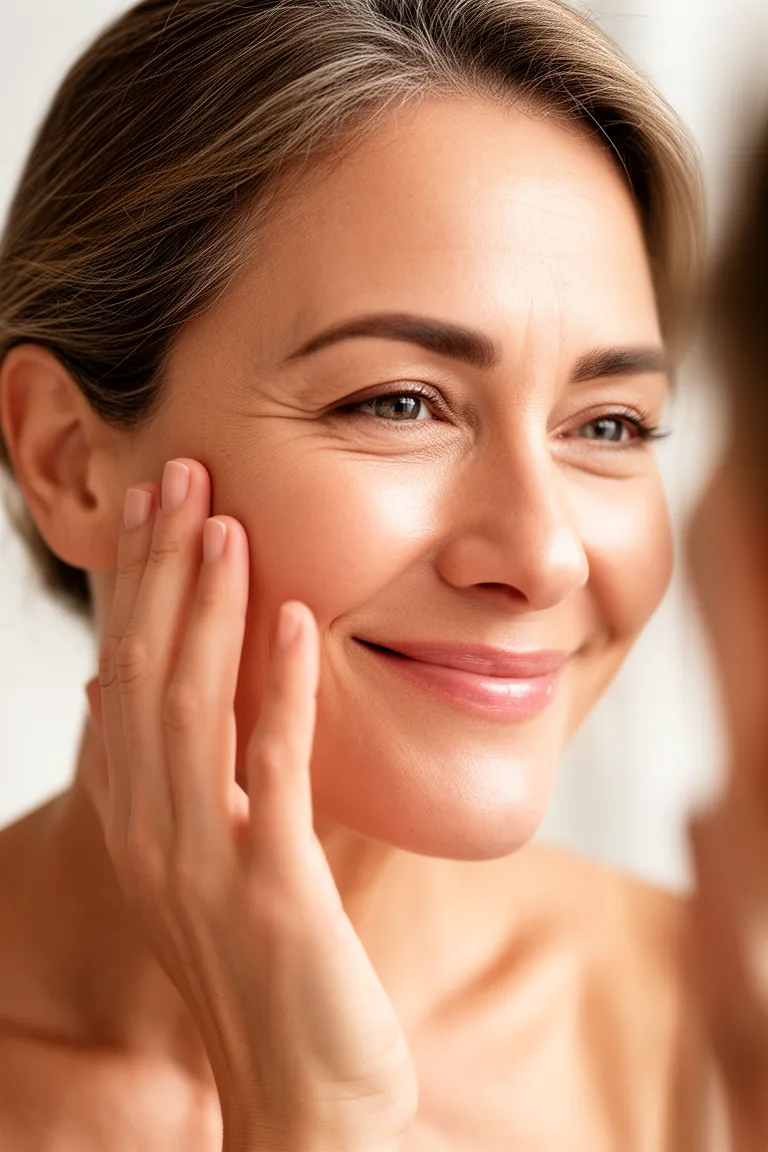
I remember the morning I finally saw it. I was applying my usual vitamin C serum, the one I’d used for years with great results, and I gently pressed the skin on my cheek. I let go, waiting for that familiar, youthful snap-back. It didn’t come. Instead, the skin seemed to settle a fraction slower, with a slight, almost crepey texture I hadn’t noticed before. It wasn’t a wrinkle. It was a feeling—a lack of resilience. A quiet deflation. I was 47, and for the first time, my skin felt like it was just… sitting there.
This was my body, the one I nourished with leafy greens and salmon, the one I moved with yoga and weights, the one I’d slathered in SPF 50 for decades. I’d done the homework. I’d followed the rules. So why, seemingly overnight, was my skin losing its bounce? The frustration was profound. It felt like a betrayal. I’d invested in expensive collagen powders and creams promising to restore skin elasticity after 40, but my reflection told a different story. I was left feeling skeptical and a little lost, wondering if this was just an inevitable surrender. But that slow-motion moment at my mirror sparked a journey to understand what was really happening beneath the surface—and what I could actually do about it. This is my experience restoring skin elasticity after 40, a journey that had less to do with finding a miracle and more to do with finally understanding the rules of a new game.
The Morning I Realized My Skin Had Lost Its Bounce
That moment of recognition wasn’t about a new line. It was about texture and behavior. My skin, especially around my eyes and jawline, had developed a fine, crinkled paper quality when I smiled—the dreaded “crepey” texture. It felt drier, no matter how much I moisturized, and seemed looser, lacking the firm, plump tension I’d taken for granted. The most telling sign was that reduced snap-back. Healthy, elastic skin bounces back quickly when gently pulled. Mine was beginning to linger.
What’s so disorienting is how sudden this change can feel in your 40s. You coast along, and then one day, the rules of the game have changed. My existing routine, built on hydration and prevention, was no longer addressing this new structural shift. It was like showing up to a new job with an old manual. I wasn’t just dealing with surface dryness; I was facing a foundational change in my skin’s architecture. This was the core of my quest to restore skin elasticity after 40, even though I wore sunscreen religiously. The signs were subtle but, once seen, undeniable: a slight heaviness along the jawline, a loss of that apple-cheeked tautness, and a texture that no amount of my trusted moisturizer could smooth away. It was the specific, emotional mismatch between my diligent efforts and the skin staring back at me.
Why My Healthy Lifestyle Wasn’t Enough to Restore Skin Elasticity After 40
Here’s the hard truth I had to accept: doing everything right doesn't make you immune to biology and time. My healthy habits were absolutely slowing the process and keeping my skin in better overall health, but they couldn’t fully reverse a structural decline. Starting in our mid-20s, we lose about 1% of our collagen each year. By our 40s, that decline can accelerate, and the elastin fibers that give skin its snap begin to degrade and fray. Hyaluronic acid production also drops.
Then there’s the silent accumulator: photoaging. Decades of sun exposure, even with good sunscreen habits (and let’s be honest, who reapplied perfectly every two hours for 30 years?), cause cumulative damage that weakens collagen and elastin deep in the dermis. Add in perimenopause for many of us, where dropping estrogen levels directly thin the skin and impair its barrier function, making it harder to retain moisture. So, while my diet and exercise supported my skin’s health, they weren’t a magic bullet against these deeply ingrained, multi-factorial changes. This is the crucial piece so many articles gloss over, leaving you to wonder, “Why did my skin lose elasticity after 40 when I’ve taken such good care of it?” I had to reframe my thinking: my healthy lifestyle was a powerful shield, slowing down the damage, but it wasn’t a reconstruction crew for the foundational support beams that were already starting to wear. Functional integrity of aging skin, from cutaneous biology to anti-aging...
Discover effective strategies for maintaining youthful skin.
The Skincare Mistakes I Made While Chasing Firmer Skin
In my panic, I made every classic error. My first mistake was confusing temporary plumping with real elasticity improvement. I’d slather on a hyaluronic acid serum, see my skin look dewy and fuller for a few hours, and think I’d solved the problem. But by morning, the laxity was still there. I was treating a symptom (dryness) but not the cause (lost collagen and elastin). I was asking a moisturizer to do a job it was never designed for.
I also became a product junkie, constantly switching serums and creams, never giving anything time to work. I overloaded my skin with actives, combining retinol with strong exfoliants in a desperate bid to “resurface” my way to firmness, which only compromised my skin barrier and caused irritation, making everything look and feel worse. I fell for the marketing of “firming” creams, expecting them to lift sagging skin, when their primary function is just to moisturize very well. I was treating my skincare like a quick fix, not the long-term, consistent support system it needed to be. This chaotic phase taught me that trying everything to restore skin elasticity after 40 often means doing nothing effectively. I was throwing solutions at a wall, hoping something would stick, instead of patiently building a foundation. I tried natural wrinkle remedies and they didn’t work.
What Actually Helped: SPF, Barrier Repair, and Gradual Collagen Support
My turning point came when I stopped chasing and started building. I simplified my approach into two pillars: relentless protection and gentle, consistent rebuilding. I realized my best skincare routine for lost skin elasticity after 40 wasn't a complex 12-step process, but a strategic, consistent one.
Morning: The Unwavering Guard My morning ritual is now built on defense. I start with a gentle, creamy cleanser or just lukewarm water. I follow with an antioxidant serum—vitamin C or niacinamide—to neutralize free radicals from pollution and light even before they can whisper to my collagen. Then, a moisturizer rich in barrier-supporting ingredients like ceramides and glycerin, which helps my skin hold onto precious moisture. The grand finale, my non-negotiable, is a broad-spectrum SPF 30+. This isn’t just for sunny days; it’s the daily armor that prevents new UV damage from unraveling any repair work I’m doing. It’s the most important step in my entire journey to restore skin elasticity after 40 when nothing else seemed to be working.
Evening: The Gentle Reconstruction Nighttime is for repair and stimulation. I double cleanse to thoroughly remove sunscreen and the day’s grime. Then, I focus on recovery. I use a richer moisturizer and, most importantly, I carefully introduced a retinoid. I started with the lowest concentration I could find, using it just twice a week on dry skin, and slowly, over months, built tolerance. Retinoids are one of the few proven topical ingredients that can actually signal your skin to produce new collagen. I think of them as a gentle, persistent foreman on a nighttime construction site. I also incorporated peptides, which are like little messengers that can support skin structure. The key was patience and consistency over 8 to 12 weeks, not overnight miracles. I had to learn to watch for subtle signs of improvement—better texture, less redness—instead of demanding an immediate lift.
Building a Routine That Works With Your Skin, Not Against It
My routine now is less about the number of steps and more about intentionality and listening. I finally understood that hydration (from ingredients like hyaluronic acid) is essential for a smooth, plump appearance and a healthy barrier, but it works in partnership with collagen-supporting ingredients (like retinoids and peptides), not as a replacement for them. They’re a team.
I listen to my skin. If it feels sensitive or looks red, I skip the retinoid for a night or two and focus solely on barrier repair with ceramides. I never combine harsh actives. I also finally made peace with oral collagen supplements. Research suggests they might help some people with hydration and support, but they aren’t a straight shot to new facial elastin. For me, they became a potential piece of the puzzle—like taking a daily vitamin for my skin’s building blocks—not the whole picture. The real, tangible work happens with consistent, topical application and daily sun protection. This holistic, patient approach is what finally moved the needle for me after feeling stuck for so long. best anti aging skincare routine.
Scientific Evidence
When Home Care Wasn’t Enough—and What Results I Could Realistically Expect
After about six months of my new, consistent routine, I saw real improvement in texture, brightness, and fine lines. My skin felt stronger, more hydrated, and overall healthier. But the modest laxity along my jawline? That was still present. This was my crucial reality check. Topical skincare has limits in restructuring significantly weakened support layers deep in the dermis. It can improve, maintain, and stimulate, but it can’t perform a major architectural overhaul.
That’s when I consulted a board-certified dermatologist. She validated my efforts and explained that for more pronounced laxity, in-office treatments could target deeper layers to stimulate a more robust collagen response. She walked me through options like microneedling, radiofrequency, and certain lasers, each with different mechanisms, downtime, and cost. This conversation didn’t feel like a sales pitch; it felt like getting a complete map of the territory after I’d mastered the local roads. It helped me set realistic expectations—my home routine was my essential daily maintenance, while professional options were like periodic, deeper renovations. what really helps firm skin after 40 besides expensive creams.
| Approach | Best For | Realistic Timeline for Visible Change | Key Consideration |
|---|---|---|---|
| Foundation & Prevention (SPF, Gentle Cleansing, Moisturizer) | Everyone, especially those just starting to notice changes or wanting to maintain. | 4-8 weeks for improved hydration and barrier health. | Prevents further damage but does not actively rebuild lost elasticity. The essential, non-negotiable base. |
| Active Topical Support (Adding Retinoids, Peptides, Antioxidants) | Those committed to a consistent, long-term home routine to improve texture and stimulate collagen. | 3-6 months for noticeable improvements in firmness and fine lines. | Requires patience, can cause initial irritation. Manages expectations: improves but may not fully reverse significant laxity. |
| Combined Topical & Professional Treatments | Individuals who have maximized topical results and want to target specific, deeper laxity. | Varies by treatment; often requires multiple sessions over several months. | Involves investment, potential downtime, and must be performed by a qualified professional. Enhances and works synergistically with a good home routine. |
The Biggest Mindset Shift: From "Fixing" to "Supporting"
Perhaps the most profound lesson wasn’t about a product or procedure. It was about shifting my goal from “restoring my 30-year-old skin” to “supporting the healthiest, most resilient skin possible at 47.” I stopped looking for a single miracle and started appreciating the cumulative effect of daily, gentle care. I began to see my skin as a living organ responding to consistent nurture, not a problem to be solved.
This mindset helped me weather the slow progress and avoid the temptation of another “quick fix.” It made me value the protective power of my sunscreen more than any fancy serum. It allowed me to look in the mirror and see the health of my skin—its improved clarity, its better hydration, its newfound strength—not just the lingering signs of age. This shift from frustration to empowerment was the final, and most important, step in my journey. It answered the emotional core of wanting to restore skin elasticity after 40: it’s not about turning back time, but about moving forward with more knowledge, more grace, and a routine that truly supports you.
Navigating Doubts and Setting Honest Timelines
A huge part of my frustration was the question, “How long does it take to improve skin elasticity after 40?” I needed someone to be brutally honest. With my new routine, I noticed my skin was less dry and irritated within 2-3 weeks. By 8 weeks, the texture looked smoother, less crepey. But the feeling of firmness, that elusive “bounce,” took a solid 4-5 months of unwavering consistency to feel subtly different. And even then, the change was incremental. Nobody tells you that collagen moves at a glacial pace. Understanding this timeline stopped me from abandoning ship at the 6-week mark, which I had done so many times before. It helped me see that when we ask why our retinol isn’t helping sagging skin after 40, it’s often because we haven’t given it enough time to do its deep, cellular work.
Frequently Asked Questions

Q: How long does it take to see real improvement in skin elasticity from a new routine? A: You might see better hydration and a smoother texture within a few weeks, but true improvements in firmness and elasticity from ingredients like retinoids and peptides take consistent, daily use for a minimum of 3 to 6 months. Building new collagen is a slow process, so patience and consistency are key. I didn’t feel a real shift until I’d stuck with my simplified plan for over four months.
Q: I use retinol but still see sagging. Why isn’t my retinol helping sagging skin after 40? A: Retinol is a fantastic tool for stimulating collagen and improving skin texture, but its power is gradual and has limits. It works on a cellular level over time, improving the quality and density of your skin’s support structure, but it cannot significantly lift skin that has experienced substantial elastin breakdown or gravitational changes. For more pronounced laxity, it works best as a foundational part of a plan that may eventually include professional treatments. Think of it as strengthening the foundation of a house, not rearranging the walls.
Q: Can a good moisturizer alone restore skin elasticity after 40? A: No. A great moisturizer is essential for repairing your skin barrier, improving hydration, and plumping the surface—which can minimize the appearance of laxity and make your skin feel wonderful. However, it cannot directly stimulate the production of new collagen and elastin deep within the dermis. Think of moisturizer as the supportive, nourishing soil, but you still need the “seeds” (like retinoids) and “sunlight protection” (SPF) to grow new structural support.
Q: Is oral collagen worth it for skin elasticity after 40? A: The science is still evolving, but some promising research suggests specific hydrolyzed collagen peptides can improve skin hydration, density, and elasticity over time by providing the body with amino acids it uses to build skin proteins. It’s not a magic pill, and it won’t work for everyone, but it could be a supportive supplement for some. If you try it, look for a hydrolyzed collagen peptide product from a reputable source with third-party testing, and manage your expectations—it’s one piece of a much larger puzzle that includes topical care and daily sun protection.
Q: When should someone consider professional treatments for skin elasticity? A: Consider consulting a board-certified dermatologist or a trusted, qualified professional if you’ve been hyper-consistent with a high-quality skincare routine for 6-12 months and are still dissatisfied with the level of laxity or sagging, or if you want to target specific areas more aggressively. A professional can assess your skin’s unique structure, thickness, and concerns to discuss options like microneedling, radiofrequency, or ultrasound, which can reach deeper layers than topicals. It’s the logical next step when you feel you’ve maximized what you can do safely at home.
📌 Love this guide? Save it on Pinterest!
Pin Restore Skin Elasticity After 40: My Honest Journey in 2026 to your board so you can come back to it later.


Comments
Post a Comment