
I Tried Every Collagen Boosting Skincare Product and Still Looked Tired — What I Realized Too Late
I remember staring at a photo of myself from a friend’s birthday dinner. I was smiling, but all I could see was the dullness. The slight sagging under my chin. The fine lines that seemed deeper under the restaurant lights. I was 38, drinking my weight in water, slathering on SPF 50 every single morning, and following a seven-step routine religiously. I had done everything the magazines and dermatologist blogs told me to do. And yet, my reflection in the mirror each morning told a story of exhaustion I didn’t even feel inside. I looked tired, and it made me feel like a failure at my own upkeep—a quiet, personal embarrassment that I carried to work, to the grocery store, to every interaction where I worried my face didn’t match my energy.
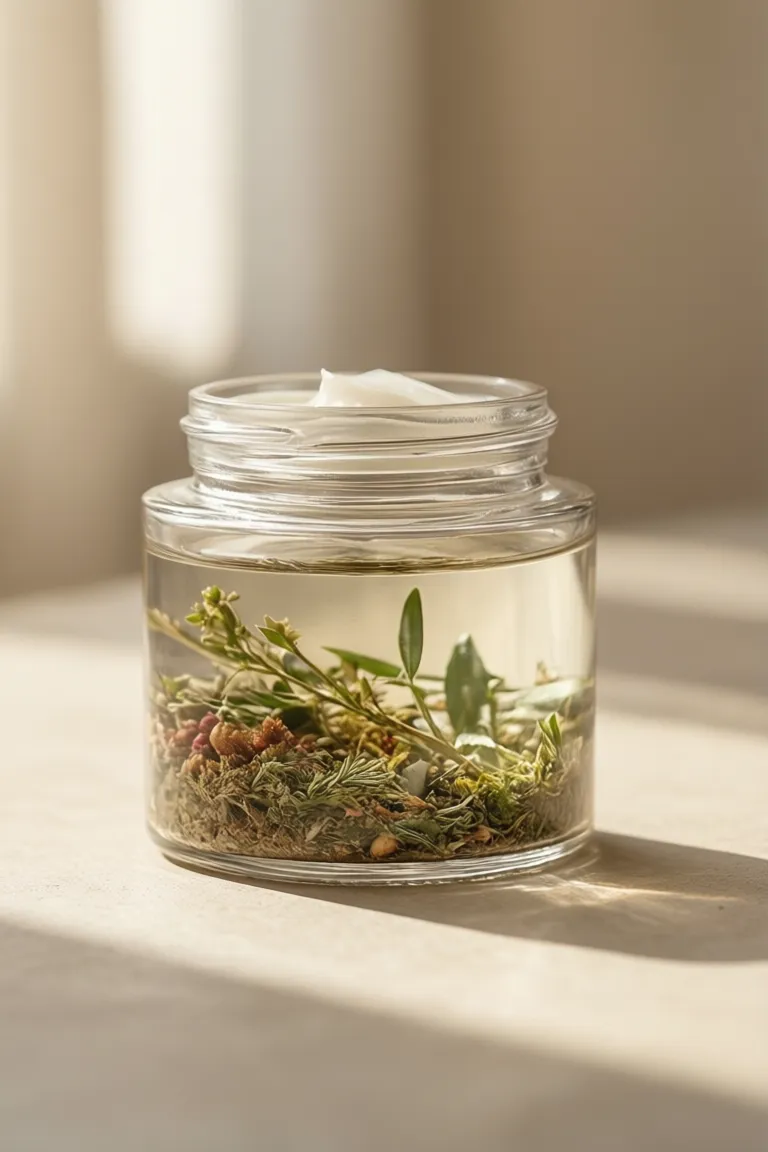
So, like any reasonable person, I doubled down. I became a collector of hope in little glass bottles. Every serum, cream, or overnight mask promising to “boost collagen,” “plump,” and “revive” found its way into my bathroom cabinet. I’d apply them with a kind of desperate faith, watching for that mythical morning when I’d wake up transformed. But the glow never came. Just more receipts and the same tired face staring back. I felt embarrassed, like I was missing some basic secret everyone else knew. That’s when I stopped asking “what’s the next best product?” and started asking a much harder question: “What is my skin actually missing?” The answer had nothing to do with what was in my cabinet, and everything to do with what I’d been ignoring.
Why I Thought Collagen Boosting Skincare Products Would Fix Everything
It started with a simple, seductive promise: apply this, and your skin will make more of the stuff that keeps it young. Every ad, every influencer glowing in their kitchen light, every product description used the same language. “Collagen loss” was the villain, and their elixir was the hero. I bought into the fantasy completely. If I could just find the right formula, the one with the perfect cocktail of peptides and growth factors, I could outsmart genetics and late nights. My frustration with collagen boosting skincare products wasn't that they didn't work at all—sometimes my skin felt softer, temporarily plumper—but that the fundamental tiredness, the lack of resilience, never budged. I was treating a symptom (collagen loss) without understanding the cause of the symptom. I was pouring water into a bucket with a hole in the bottom, wondering why it never stayed full.
This expectation gap is where so many of us get stuck. We see “collagen” on the label and think “repair.” We think if we’re already doing the basics—cleansing, moisturizing, SPF—then adding this one magic potion should be the final key. I kept thinking, “I tried collagen boosting skincare products and still looked tired, so maybe I just need a stronger one.” It was a cycle of hope and letdown that felt deeply personal, as if my skin was uniquely broken.
What Collagen Boosting Skincare Products Can Actually Do — and What They Can’t
Here’s the brutal truth I learned way too late: slapping collagen on your face is like gluing new threads onto a worn-out sweater. The collagen molecules in most creams are far too large to penetrate the skin’s surface. They sit on top, acting as a humectant, which can be nice for temporary hydration but does zero for rebuilding your skin’s foundation. That temporary plump? It’s just hydration, and it washes away. It’s not the structural change we’re craving.
What I was actually buying, the products that held real promise, were the ones with ingredients that support your skin’s own collagen production. Think of them as the foreman and raw materials for a construction site, not the pre-built house. The real game-changers are actives like retinoids, vitamin C, certain peptides, and even some forms of niacinamide. They work at a cellular level, signaling to your skin to slow down breakdown and speed up renewal. But here’s the kicker—they’re slow, they require consistency, and they work best on a healthy “site.” My skin was irritated, stressed, and probably inflamed from my product-hopping, which is the worst possible environment for collagen synthesis. I was trying to build a house on shaky ground during a storm. Skin Anti-Aging and Moisturizing Effects of Low-Molecular-Weight Collagen Peptide...
The Topical vs. Stimulating Truth
- Topical “Collagen”: Sits on surface. Provides temporary hydration. Can improve feel, not structure.
- Collagen-Stimulating Actives: Penetrates. Sends cellular signals. Requires a healthy skin barrier to work. This is the long game.
This distinction was my first “aha” moment. It explained why I could have a cabinet full of collagen boosting skincare products even though I use sunscreen and still see no lasting change. The sunscreen was protecting me, but I wasn’t effectively stimulating anything to protect.
The Mistakes I Made While Chasing Firmer, Brighter Skin
My journey was littered with well-intentioned errors, a path paved with shiny packaging and disappointment. Recognizing these was painful, but it’s what finally shifted my course.
Mistake 1: The More Actives, The Better (A.K.A. Overstacking) I became an active-stacker. If one vitamin C serum was good, adding a retinol, an acid toner, and a peptide cream must be better, right? Wrong. I essentially nuked my skin barrier, creating low-grade inflammation that actively breaks down collagen. My skin became red, sensitive, and paradoxically even more lackluster—the exact opposite of my goal. It was like yelling at a tired worker to go faster; eventually, they just shut down.
Mistake 2: Shopping for Headlines, Not Formulas I bought for the claim, not the context. A “collagen boosting” cream with a tiny, ineffective percentage of a good peptide, drowned in fragrance and drying alcohol, is worse than useless—it’s an irritant. I wasn’t reading ingredient lists; I was reading marketing copy. I’d see “with peptides” and buy, not realizing it was the 15th ingredient on the list, far behind the perfume.
Mistake 3: Expecting Topicals to Offset My Life This was the biggest, most humbling blind spot. No cream in the world can fully counterbalance chronic stress, poor sleep, a nutrient-poor diet, or the cumulative effects of sun exposure (even with SPF). I was looking for a magic bullet to clean up a mess I was still making every day. I’d stay up until 1 AM, eat sugary takeout, and then slather on a serum, expecting it to perform a miracle. My experience with collagen boosting skincare products for dull skin was failing because I was asking them to do an impossible job.
How Long Results Usually Take When You’re Already Using a Good Routine
This was my moment of painful clarity. When you already have a decent routine with SPF and hydration, adding a true collagen-supporting active comes with a very specific, slow timeline. The initial “glow” or improved hydration from better barrier function might show up in 4-6 weeks. But real changes in firmness, deep wrinkles, and skin density? We’re talking 3 to 6 months of unwavering commitment. Maybe even a full year.
I realized I had never given any product longer than 8 weeks before discarding it as a failure. I was trapped in a cycle of impatience, constantly resetting the clock every time I bought something new. If you’re wondering how long before collagen boosting skincare products show results, you have to define “results.” A temporary dewy look is quick. Architectural change is a marathon. This understanding alone saved me hundreds of dollars and a lot of heartache. It made me realize that maybe the products weren’t the sole problem—my timeline expectations were.
What My Skin Was Actually Missing (It Wasn’t Another Serum)
Peeling back the layers led me to the core issue: skin health, not just skin appearance. I’d been chasing a cosmetic outcome (a “glow”) while ignoring the organ’s basic needs. My skin barrier was compromised from over-exfoliation and active-stacking, meaning it couldn’t hold onto hydration or protect itself. My cellular energy was probably low due to stress and not-great sleep. And I was likely deficient in key nutrients that act as co-factors for collagen synthesis, like Vitamin C, zinc, and protein—the very building blocks I was trying to stimulate topically.
The topical products were just one piece of a complex puzzle. I needed to nourish my skin from the inside out and calm the inflammation from the outside in. The question of “does collagen boosting skincare help if I already have a routine” shifted. It became: “Is my routine, and my life, creating an environment where these ingredients can actually help?”
Scientific Evidence
How I Learned to Listen to My Skin, Not the Hype
I put myself on a “skin diet.” I stripped my routine back to the bare essentials for six solid weeks: a gentle, milky cleanser, a thick barrier-repair moisturizer with ceramides, and a mineral sunscreen. I stopped washing my face in the morning, just splashing with lukewarm water. I introduced gentle facial massage for circulation instead of harsh jade rolling. Most importantly, I started observing. Did my skin feel tight an hour after cleansing? Was it calm, or subtly red? Did it sting when I applied my moisturizer? This daily biofeedback was more valuable than any five-star product review. I began to see that when my skin was calm and strong, even the simplest moisturizer made it look bouncy and calm. Strength, not just stimulation, was the missing link I’d been skipping over in my rush to “fix” myself.
A Realistic Roadmap: Matching Your Approach to Your Skin’s Needs
When I was lost in the product jungle, what I desperately needed was a map. Not a list of “bests,” but a guide to different pathways based on where my skin actually was. This framework is what finally helped me choose wisely.
| Approach | Best For | Realistic Timeline for Visible Change | Key Consideration |
|---|---|---|---|
| Barrier Repair & Lifestyle Focus | Skin that’s reactive, sensitive, or irritated from overdoing it. The “reset” phase. | 6–8 weeks for calm, hydrated skin. Improved “plump” from hydration. | This isn’t about stimulation yet. It’s about creating a healthy foundation. Skip actives entirely during this phase. |
| Adding One Proven Active | Once skin is calm. For those ready to carefully stimulate collagen. | 4–8 weeks for improved texture/brightness. 3–6+ months for firmness. | Patience is non-negotiable. Consistency with one active (like retinol or vitamin C) is far more effective than rotating many. |
| Strategic, Minimalist Stacking | Advanced, after mastering one active. For targeting multiple concerns without irritation. | Builds on the timeline of your first active. Don’t expect a new “start” date. | Requires deep understanding of ingredient compatibility. Never use strong actives like retinoids and direct acids at the same time. |
| Professional-Guided Intervention | Persistent issues like deep wrinkles, significant loss of elasticity, or medical skin conditions. | Varies widely based on treatment (e.g., professional procedures). | At-home topical care supports this path but isn’t the primary driver. Requires a dermatologist’s guidance. |
Seeing it laid out like this made me realize I was trying to jump straight to “Strategic Stacking” while my skin was screaming for “Barrier Repair.” No wonder collagen boosting skincare products didn’t work for my skin. They had no solid ground to stand on.
How I Folded Collagen Boosting Skincare Products Into a Routine That Actually Made Sense
Once my barrier was repaired and my skin was no longer reactive—a process that took a dedicated two months—I could strategically reintroduce support. My routine became intentional, not hopeful. It was built on listening, not hoping.
My Simple AM Structure: Splash with water, a single vitamin C serum (for daily protection and collagen support), a basic peptide moisturizer, and always, always mineral SPF 50. That’s it. Three steps after water.
My Simple PM Structure: Gentle cleanser. Then, I follow a schedule: prescription retinoid three nights a week (M, W, F). On the “off” nights (T, Th, Sat), I use a simple peptide or ceramide serum. Every night ends with a rich, comforting moisturizer. Sunday is a true “rest” night—just cleanser and moisturizer.
Notice the simplicity. One active per session. No more than three “treatment” steps total. The collagen boosting skincare products I choose now have a clear, singular job and don’t fight with each other. They are the skilled workers, and my healthy, resilient skin barrier is the solid foundation they need to do their long-term job. This is how you stop wasting money on collagen boosting skincare products and start investing in a process.
The Lifestyle Shifts That Made the Biggest Difference
The final, humbling revelation was that the most dramatic change in my skin’s vitality came from outside the bathroom. Prioritizing sleep (and using a silk pillowcase) reduced morning puffiness and creasing. Managing stress with short walks and five-minute breathing exercises visibly dialed down the tension in my jaw and the dullness in my complexion. Upping my intake of colorful vegetables, healthy fats from avocados and nuts, and lean protein did more for my skin’s underlying radiance than any serum ever had. I was finally providing the raw materials and the peaceful environment for my skin to do its own miraculous work of repair. The topical products transitioned from being the lone soldiers I prayed would save me, to being supportive allies in a battle I was now fighting holistically. My skin didn’t just look less tired; it looked alive, resilient, and finally—beautifully—like it belonged to the energetic, vibrant person I felt I was inside. The story was no longer about a face that looked tired, but about a whole self I was learning to care for.
Frequently Asked Questions
Q: I’ve been using collagen boosting skincare products for months but my face still looks tired. Am I wasting my money?
A: You might be misdirecting it, not necessarily wasting it. First, audit your products: are they true collagen-supporting actives (like retinoids, vitamin C, specific peptides) or just products with “collagen” on the label? Second, and most crucially, assess your skin’s health. If your barrier is damaged from overuse, no serum can work effectively. It’s often worth taking a 4-6 week “skin vacation” to focus solely on gentle cleansing, barrier repair, and SPF. Then, reintroduce one key active.
Q: How long should I realistically wait to see improvement in firmness and dullness?
A: This depends on the ingredient and your starting point. With a well-formulated retinol or vitamin C serum, you might see a subtle improvement in brightness, smoothness, and hydration within 4-8 weeks. However, true improvements in firmness, elasticity, and the depth of fine lines require a minimum of 3 months of consistent, nightly or every-other-night use. Significant, visible change often takes 6 months to a full year. This is the marathon I had to learn to run.
Q: Can these products work if I already use sunscreen and have a good routine?
A: Absolutely—in fact, that’s the only way they can work effectively. Sunscreen protects the new collagen you’re trying to build from UV damage. A good, simple routine means your skin is healthy enough to respond to the active ingredients. The common pitfall is adding these actives on top of an already complex or harsh routine, which leads to irritation and setbacks. The key is thoughtful integration into a stable foundation, not endless addition.
Q: What should I look for when choosing a collagen-supporting product?
A: Look beyond the “collagen” marketing. Focus on the active ingredients in the top half of the list. For collagen stimulation, look for retinol, retinaldehyde, or prescription retinoids (tretinoin). For protection and support, look for L-ascorbic acid (vitamin C) or stable derivatives like THD ascorbate, and specific peptides like Matrixyl 3000. Choose fragrance-free formulas if you’re sensitive, and ensure actives like vitamin C come in opaque, air-tight packaging to prevent oxidation. Start with one proven active and commit to it for at least 3 months before evaluating.
📌 Love this guide? Save it on Pinterest!
Pin Tried Every Collagen Product? Why Your Skin Still Looks Tired ( to your board so you can come back to it later.


Comments
Post a Comment