
Non Comedogenic Moisturizer for Acne Prone Skin: Why Yours Still Clogs Pores and What Actually Works
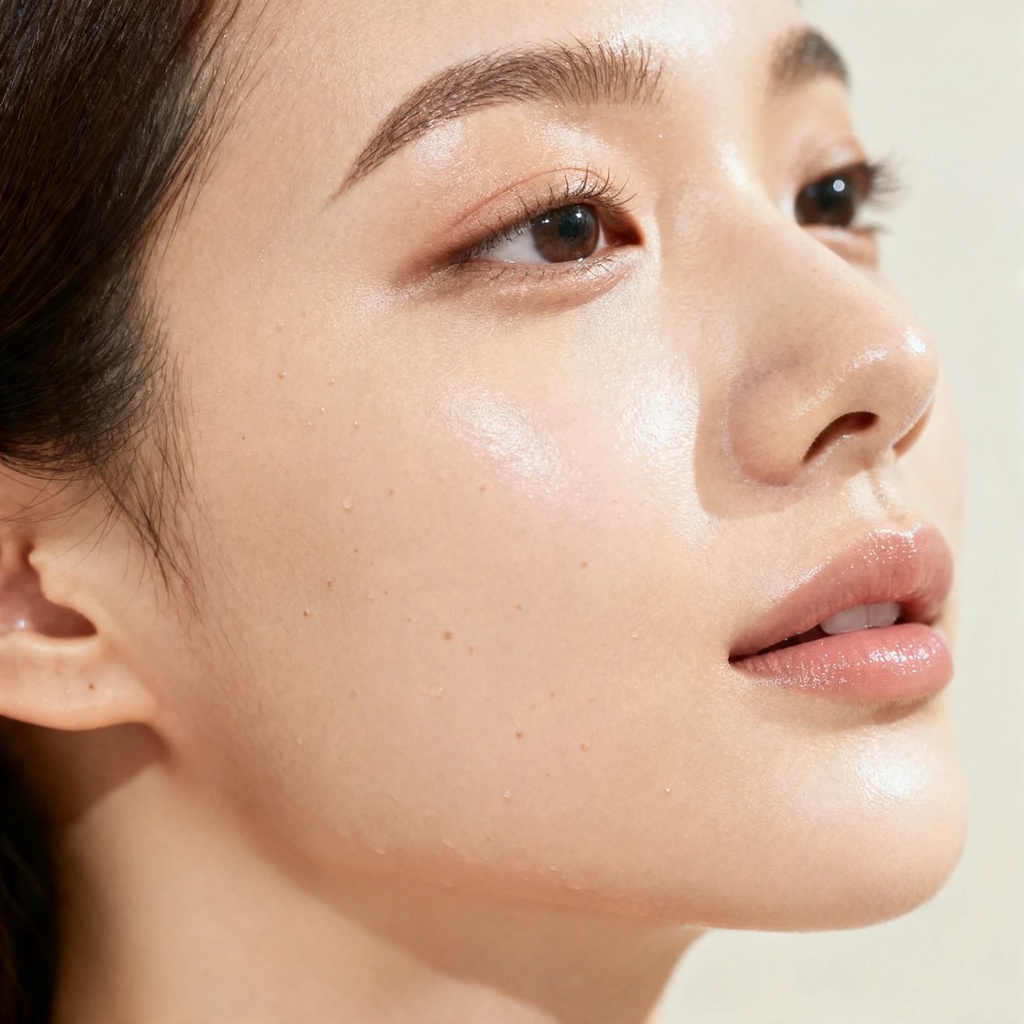
If you cleanse diligently, avoid heavy creams, and still wake up to new breakouts from your "non-comedogenic" moisturizer, you're not imagining things. This specific frustration is a dominant theme in online skincare forums, where users with oily, acne-prone skin follow the basic rules yet still experience clogged pores from products labeled as safe. The problem isn't your skin being uniquely difficult; it's a fundamental mismatch between marketing claims and the complex, individualized science of what truly clogs pores. This guide moves beyond generic product lists to explain the mechanisms behind pore-clogging, empowering you to decode labels and choose a moisturizer that hydrates without sabotaging your clear-skin goals.
What Non-Comedogenic Really Means
The term "non-comedogenic" is a marketing promise, not a regulated guarantee of safety for your pores. It suggests a product is formulated not to cause comedones—the medical term for clogged pores that manifest as blackheads or whiteheads. However, there is no universal legal standard or FDA-approved list of banned ingredients a product must avoid to earn this label. A brand can call its moisturizer non-comedogenic based on its own internal interpretation or limited testing, which may not reflect how your specific, acne-prone skin will react. The real authority lies in understanding comedogenicity ratings, a 0-5 scale developed from historical testing methods that assess an individual ingredient's potential to clog pores, not the final product's guarantee.

Why Non-Comedogenic Labels Fail: The FDA Gap and Testing Reality
A moisturizer can legally wear a "non-comedogenic" badge without meeting any official government criteria, creating the core of the problem for discerning consumers. The U.S. Food and Drug Administration (FDA) does not define the term for cosmetics, nor does it require standardized, third-party testing before a brand uses it on packaging. Some conscientious companies conduct rigorous testing on the final formula using methods like the rabbit ear assay or human comedogenicity trials, while others may simply rely on historical data showing that individual ingredients within the formula have low comedogenic ratings. This creates a vast gray area where a moisturizer containing a couple of "safe" ingredients can still clog pores due to the overall blend, specific emulsifiers, or the concentration of an otherwise benign component. Your skin's unique reaction is the ultimate test, which is why moving beyond the label to understand ingredients becomes non-negotiable.
Read more about porn induced erectile dysfunction how to fix naturally without pills.
The Lack of a Standardized Ingredient Exclusion List
Unlike terms like "SPF," which have strict testing protocols, "non-comedogenic" has no official list of prohibited ingredients. This means coconut oil, widely known in dermatology to be highly comedogenic, can technically be in a product labeled non-comedogenic if the brand's internal assessment deems it acceptable. This regulatory ambiguity directly leads to the consumer confusion flooding skincare communities today.
Individual Skin Variation and Why 'Non-Comedogenic' Isn't Universal
Your skin's microbiome, sebum composition, genetic predisposition, and even your existing skincare routine (like using prescription retinoids) fundamentally change how it processes and reacts to ingredients. An ingredient rated a comedogenic "2" might be perfectly tolerable for someone with combination or occasionally breakout-prone skin but trigger significant congestion in someone with highly reactive, oily, and acne-prone skin. This individual variation is the critical piece most product-centric articles ignore, explaining why a moisturizer can be a holy grail for one person and a consistent breakout trigger for another searching for the best non comedogenic moisturizer for acne prone skin.
Understanding Comedogenicity Ratings: How to Read the 0-5 Scale
To take control and audit your own products, you need to learn the language of comedogenicity scales. Ingredients are typically rated from 0 to 5 based on historical testing. A rating of 0 indicates the ingredient will not clog pores, while a 5 signifies a high likelihood of causing comedones. For acne-prone skin, the goal is to build a routine primarily with ingredients rated 0-2, treating anything rated 3-5 with extreme caution. You can cross-reference the ingredients list on your current moisturizer against online comedogenicity databases or dermatological resources. This self-audit empowers you to move from blind trust in a marketing label to informed analysis, identifying potential culprits even in products marketed as "clean," "natural," or "for acne."
Learn mood swings irritability and low drive in men over 40 hormonal fix.
Safe Thresholds for Acne-Prone Skin (Prioritize 0-2 Ingredients)
When evaluating a non comedogenic moisturizer for acne prone skin that doesn't clog pores, your primary filter should be the comedogenic rating of its core ingredients. Focus on formulas where the first five to ten ingredients—those present in the highest concentrations—are predominantly rated 0 or 1. Be wary of any ingredient rated 3 or above appearing in the top half of the list, as its presence, even in a "non-comedogenic" product, could be the reason you're still breaking out.
It's important to consider all aspects of your skincare when choosing a moisturizer. Many factors can influence the effectiveness of a product.
Why Popular Moisturizers Fail Acne Skin
Many moisturizers fail acne-prone skin not out of malice, but due to formulation choices that overlook the nuances of oily, congestion-prone complexions. A common pitfall is the "natural" or "clean beauty" trap: ingredients like coconut oil (a notorious rating of 4), cocoa butter, or even some algal extracts can be highly comedogenic despite their plant-based origins. Another critical issue is the product's texture and finish. A moisturizer might contain individually low-rated ingredients but use heavy occlusives like certain waxes or dense silicones that create an impermeable film. For skin that already overproduces sebum, this film can trap dead skin cells and oil underneath, creating a perfect environment for comedones to form, explaining why a lightweight non comedogenic moisturizer acne prone skin tolerates is often a gel or fluid lotion.
Ingredient Deep Dive: Why 'Natural' Oils Still Clog Acne-Prone Pores
The deeply held belief that natural equals better is a major, understandable source of clogged pores for acne-prone individuals. Jojoba oil, often praised for mimicking skin's sebum, has a comedogenic rating of 2, which can be a risky gamble for some. Argan oil is generally safer, sitting at a 0-1, while coconut oil is a known pore-clogger at a 4. The key is to differentiate between ingredient functions: humectants (like glycerin, hyaluronic acid, and sodium PCA) draw water into the skin and are typically non-comedogenic. Emollients (like niacinamide and panthenol) soothe and smooth the skin's surface. Occlusives (like petrolatum or some silicones) seal in moisture by forming a barrier. For acne-prone skin, an ideal formula should be heavy on humectants, include soothing emollients, and use occlusives very sparingly or in lightweight forms.
And if you are dealing with other skin issues, you may want to read about male breast reduction.
How to Identify Lightweight Alternatives That Hydrate Without Congestion
Look for water-based or gel-cream formulas that list water or aloe vera as the first ingredient. Within these, prioritize hydrators like propanediol, betaine, and the aforementioned humectants. Lightweight emollients like squalane (derived from sugarcane) or caprylic/capric triglycerides (from coconut but processed to be non-comedogenic) can provide slip without the clogging risk of their raw, natural oil counterparts.
Top Ingredients to Seek and Avoid
Building your own mental checklist is more reliable than trusting any single product label. Actively seek out humectant heroes: hyaluronic acid (in its various molecular weights), glycerin, and sodium PCA provide multi-depth hydration without weight or grease. Niacinamide (Vitamin B3) is a superstar for regulating oil production and calming inflammation-associated redness. For barrier repair—especially important if you use drying actives—look for ceramides, panthenol, and cholesterol. Racial/Ethnic Variations in Acne: A Practical Algorithm for Treatment and... may provide further insights into managing acne.
Scientific Evidence
Conversely, be systematically wary of common comedogenic ingredients. Beyond coconut oil, watch for isopropyl myristate, lauric acid, lanolin, red algae (carrageenan), and some forms of shea butter. A truly effective moisturizer for acne prone skin non comedogenic recommendations should center on will have a relatively short, understandable ingredients list dominated by these safe-hydration players and free from these frequent offenders.
Finding the right balance of ingredients can be a game changer for your skin. Let's explore some options for achieving optimal hydration.
| Approach | Best For | Timeline to Assess | Key Consideration |
|---|---|---|---|
| Ingredient Avoidance Only | Those new to skincare science, wanting a simple starting point. | 2-3 Weeks | Only removes known triggers; may not provide sufficient hydration if you strip too many emollients, potentially worsening oiliness. |
| Comedogenicity Rating Audit | Detail-oriented users frustrated by failed products, ready to self-educate. | 3-4 Weeks | Empowering but requires research. Must use reliable databases and understand that final formulations can alter an ingredient's effect. |
| Barrier-Focused Hydration | Users on prescription retinoids (tretinoin) or strong exfoliants who have sensitive, acne-prone skin. | 4-6 Weeks | Prioritizes skin repair with ceramides and soothing agents. May involve slightly richer textures that require careful selection to remain non-clogging. |
| Minimalist Gel-Based Routine | Those with very oily, shiny skin who hate any feeling of product on their face. | 2-4 Weeks | Focuses on humectants and light layers. Crucial to ensure the gel formula isn't loaded with pore-clogging film-forming agents or alcohols that dehydrate. |
Moisturizing While on Actives: Non-Irritating Hydration for Tretinoin and Retinol Users
If you're using potent actives like tretinoin, salicylic acid, or benzoyl peroxide, your moisturizer's job becomes dual-purpose: it must not clog pores and it must support a compromised, often irritated barrier without causing stinging, redness, or pilling. This is where the need for a specialized non comedogenic moisturizer for acne prone sensitive skin becomes critical. Look for barrier-repair ingredients like ceramides, cholesterol, and fatty acids that mimic your skin's natural lipid matrix. Soothing agents like panthenol, allantoin, or bisabolol are invaluable. Texture is key; a gel-cream or light lotion is often ideal. Application timing matters: apply your treatment serum or prescription first, wait a few minutes for it to absorb, then layer the moisturizer to lock in hydration and buffer potential irritation, creating a protective sandwich.
Application Timing and Layering to Avoid Pore Clogging on Compromised Skin
The "moisturizer-actives-moisturizer" sandwich method is particularly useful for tretinoin users. Apply a thin layer of your non-comedogenic moisturizer first, wait 10-15 minutes, apply your retinoid, wait another 10-15 minutes, then apply a second layer of moisturizer. This technique helps mitigate irritation and peeling without increasing the risk of clogged pores, as the moisturizer layers are lightweight and specifically chosen for their safety profile.
Realistic Results and Timelines
Switching to a truly compatible non-comedogenic moisturizer is not an instant cure, and managing expectations is crucial to persistence. Your skin may need a full 2 to 4 weeks to adjust and for you to accurately assess its effects. During the initial phase, you might experience a "purge" if the new, better-hydrating formula supports increased skin cell turnover, bringing pre-existing, microscopic clogs to the surface more quickly. This typically appears as small blackheads or whiteheads in areas where you normally break out. Distinguish this from a true breakout reaction, which often manifests as new, painful cysts in unusual areas or immediate redness and itching. If you've been using a pore-clogging moisturizer for months, it can take a full skin cycle (about 28 days) to clear the existing congestion. Patience and consistent, observant use are key.
Selecting and Testing a Non-Comedogenic Moisturizer: A 4-Week Protocol
Introducing a new product requires a strategic, patient protocol to avoid misattributing breakouts. Do not apply it to your entire face immediately. Start with a controlled patch test: apply a pea-sized amount to a defined, breakout-prone area like the side of your jaw or forehead for 5-7 consecutive days, monitoring for new blackheads, small flesh-colored bumps (texture), or cysts. If the area remains clear, proceed to a full-face, gradual introduction. Use the moisturizer every other night for the first week alongside your gentlest, most trusted cleanser and treatment. Pay close attention to early signs of pore clogging, which are often felt as subtle texture changes before developing into visible pimples. Keeping a simple log noting skin texture, specific breakout locations, and oiliness levels can provide objective data to help you identify the true culprit.
When to Discontinue and What to Track
Discontinue use immediately if you experience painful, inflamed cysts in new areas (like the cheeks if you typically break out on the forehead) or signs of contact dermatitis (severe itching, swelling). However, if you see a slight, temporary increase in small, manageable blackheads in your usual zones, this may be purging; continue monitoring through the 4-week timeline. Track the product's performance against key questions: Does my skin feel hydrated but not greasy? Is my overall oil production balancing out? Is the texture improving, not worsening?
How to Test and Layer in Your Routine
Successful integration is about technique as much as product selection. After cleansing and applying any treatment serums (like a BHA or retinoid), take a pea-sized amount of your gel non comedogenic moisturizer for acne prone skin and warm it between your palms. Gently press and pat it onto your face and neck, avoiding harsh rubbing which can cause irritation. In the morning, this same moisturizer should serve as an ideal hydrating base under your sunscreen, with no pilling or balling up. For those seeking an affordable non comedogenic moisturizer acne prone skin can use daily, ensure the formula plays well with other products in your regimen. Consistency in application is what allows you to accurately judge the product's long-term impact on your skin's clarity and health.
Remember, consistency and patience are key to seeing results. Now, let's address some common questions about non-comedogenic moisturizers.
Frequently Asked Questions
Salicylic acid is a beta-hydroxy acid (BHA) that exfoliates inside the pore lining, helping to clear existing clogs. However, it does not create a shield that prevents new comedogenic ingredients from entering and clogging those same pores. If your moisturizer contains pore-clogging agents, it is continuously adding new material for the salicylic acid to combat, leading to a frustrating, persistent cycle of breakouts. The treatments address different stages of the acne process.
How long should I test a new non-comedogenic moisturizer before deciding it works?Commit to a structured 4-week testing protocol. The first 1-2 weeks may reveal immediate irritation or the beginning of a purging phase. Weeks 3-4 will show whether your skin is acclimating, with texture improving and breakouts subsiding. Discontinue immediately if you get painful, inflamed cysts in new areas, but allow time if you see a temporary increase in small, manageable clogs in your usual problem zones that then clear.
Is a non comedogenic moisturizer good for acne prone sensitive skin?Yes, it can be an excellent choice, but you must be doubly selective. Look for formulas that are both non-comedogenic (prioritizing ingredients rated 0-2) and explicitly formulated for sensitive skin—meaning they are free from common sensitizers like fragrance, essential oils, denatured alcohol, and harsh surfactants. Soothing, barrier-supporting ingredients like ceramides, panthenol, and oat extract are particularly beneficial for this skin type.
Can I use a non-comedogenic moisturizer if I have very oily skin?Absolutely, and it is often necessary. Oily skin is not necessarily well-hydrated skin; it can be dehydrated, which signals the skin to produce even more oil in compensation. Skipping moisturizer can exacerbate this cycle. The key is to choose a lightweight, oil-free, or water-gel formula that provides hydration primarily through humectants like hyaluronic acid and glycerin, without adding heavy oils or occlusives that feel greasy or slick.
What should I look for in the best non comedogenic moisturizer for my acne-prone routine?Prioritize a simple, transparent formula with a high concentration of proven humectants (glycerin, hyaluronic acid), skin-repairing and regulating ingredients like niacinamide or ceramides, and a texture (gel, gel-cream, or light lotion) that you will use consistently without complaint. Ensure it is fragrance-free and designed to layer compatibly with your acne treatments without pilling. Your ultimate goal is to find effective hydration that supports, rather than sabotages, your entire clear-skin strategy.
📌 Love this guide? Save it on Pinterest!
Pin Non-Comedogenic Moisturizers 2026: Stop Breakouts & Finally Hydrate Right to your board so you can come back to it later.


Comments
Post a Comment