
Best Moisturizer for Acne Prone Skin That Won’t Clog Pores or Cause Breakouts
If you’ve diligently built a routine with salicylic acid cleansers and non-comedogenic labels, only to find your skin rebelling with new clogged pores, your frustration is both valid and widespread. Across skincare forums, a clear trend has emerged: many popular moisturizers hailed as “best for oily skin” are failing those with truly acne-prone, sensitive, or combination skin, particularly in humid climates or when layered with potent actives. This gap between marketing promises and real-world results—where a product labeled “acne-safe” still triggers closed comedones—has created a demand for genuinely vetted solutions. This guide moves beyond generic affiliate lists to explain the why behind these failures, providing a clear framework for finding hydration that supports, rather than sabotages, your path to clear skin.
Why Acne-Prone Skin Still Needs Moisturizer
Skipping moisturizer is a defensive tactic that often backfires, rooted in the fear that any added hydration will worsen oiliness and breakouts. The physiological truth is that dehydrated, compromised skin can actively undermine your acne treatment. When your skin’s barrier is impaired and lacks adequate hydration, it may signal the sebaceous glands to produce more oil to compensate for the perceived dryness. This excess sebum mixes with dead skin cells, creating a prime environment for clogged pores and inflammation. Furthermore, effective acne treatments like benzoyl peroxide, salicylic acid, and prescription retinoids are inherently drying and can cause irritation and peeling. A well-chosen moisturizer helps fortify the skin’s natural barrier, reduces trans-epidermal water loss, and soothes the irritation caused by actives. By maintaining hydration, you can actually help regulate oil production over time and create a more resilient, balanced complexion that is better equipped to handle treatment.

Key Ingredients to Look For and Avoid
Navigating an ingredient list is your most powerful tool for avoiding breakouts. Understanding which components deliver safe hydration and which pose a risk—regardless of “natural” or “for oily skin” claims—is essential for making an informed choice.
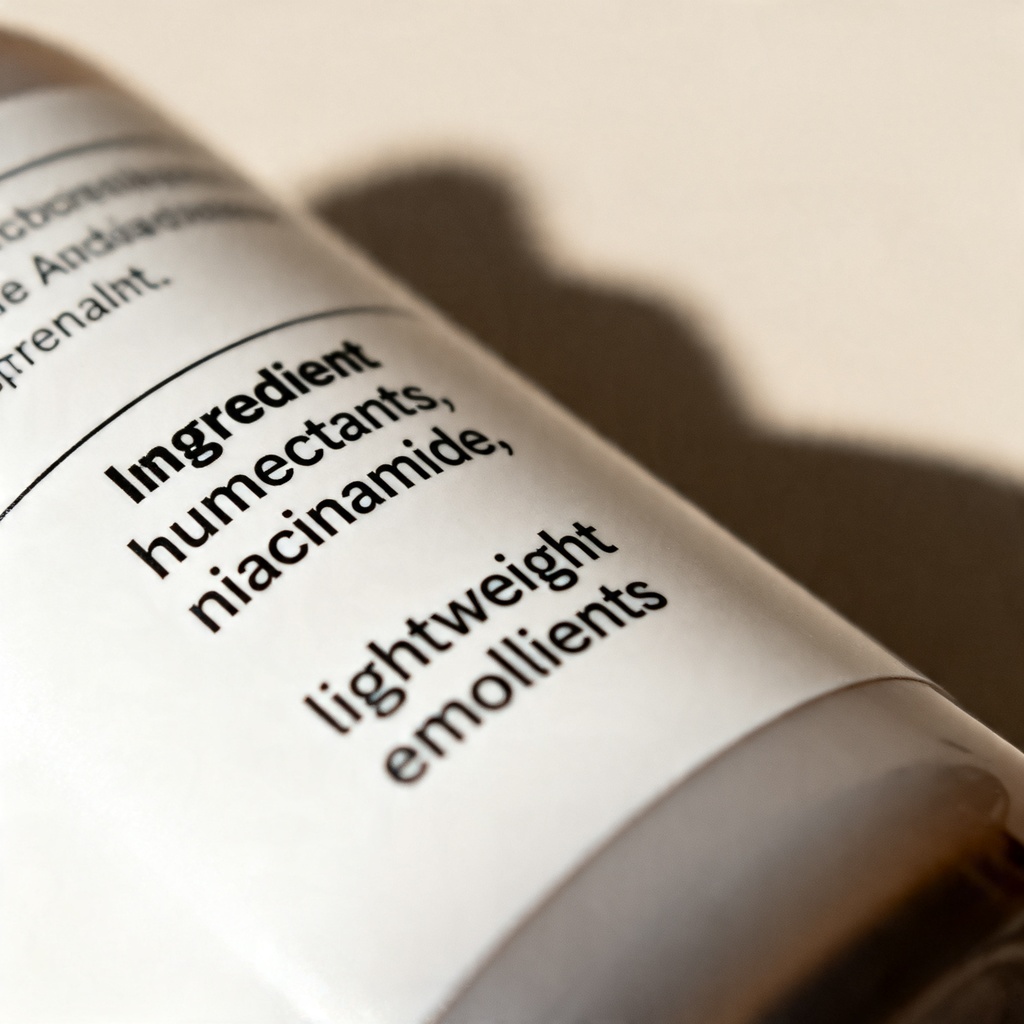
Prioritize these hydrating, non-comedogenic heroes:- Humectants: Ingredients like glycerin, hyaluronic acid, and sodium PCA act as moisture magnets, drawing water from the air and deeper skin layers to hydrate the surface. They provide a weightless, oil-free source of hydration, making them foundational in the best gel moisturizer for oily acne prone skin.
- Niacinamide: This multi-tasking powerhouse is exceptionally well-suited for acne-prone skin. Research suggests it can help regulate sebum production, reduce inflammation and redness, and strengthen the skin’s barrier function, addressing multiple acne contributors simultaneously.
- Lightweight Emollients: Squalane (a bio-compatible oil mimetic) and certain ceramides help soften and smooth the skin by filling in gaps between skin cells. They provide lipid support without a greasy residue or a high comedogenic risk, offering comfort without clogging.
- Heavy Oils and Butters: Coconut oil, cocoa butter, and some other plant oils like wheat germ oil have high comedogenic ratings, meaning they are known to clog pores for many individuals. Their fatty acid structure can penetrate and solidify within the pore lining.
- Certain Occlusive Agents: While not universally bad, heavy occlusives like petrolatum, lanolin, and some silicones (e.g., dimethicone in high concentrations) create a strong barrier on the skin. In humid conditions or on very oily skin, this seal can trap sweat, sebum, and bacteria, potentially leading to clogs—a key reason some products fail as a moisturizer for acne prone skin that won't cause breakouts in sticky weather.
- Fragrance and Denatured Alcohol: These are primarily irritants. While not direct pore-cloggers, repeated irritation weakens the skin barrier, leading to inflammation that can exacerbate acne lesions and make skin hypersensitive to other products in your routine.
Common Moisturizers That Fail Oily Skin
It’s disheartening to invest in a moisturizer from a trusted “best of” list only to experience a crop of closed comedones or cystic breakouts. This disconnect is a central complaint in online communities and highlights a critical content gap: many top-recommended products are formulated for a broad “normal to oily” audience and fail in edge cases. For example, a rich cream praised for barrier repair might be too occlusive for someone living in a humid climate, leading to the very clogs it’s supposed to prevent. Similarly, a lotion containing specific fatty alcohols or esters, while benign for most, can be a direct trigger for those with particularly sensitive or reactive acne-prone skin, leading to jawline cysts—a frequently cited issue in user reviews. Recognizing that a product’s popularity or general acclaim does not guarantee compatibility with your unique skin biology, climate, and active routine is the first step toward smarter, more personalized choices.
Check out this article about slimming pills.
Understanding Moisturizer Ingredients for Acne
To choose effectively, you need to understand how different moisturizer components function on a mechanistic level for acne-prone skin.
Humectants: How Glycerin and Hyaluronic Acid Work Without CloggingHumectants are the workhorses of lightweight hydration. They work by attracting and binding water molecules to the skin’s surface and from the deeper dermis. This process hydrates the stratum corneum (the skin’s outermost layer) without adding any oily or lipid substance that could mix with sebum. For someone seeking a lightweight moisturizer for acne prone skin, a formula built around potent humectants delivers essential water content without contributing to pore congestion.
Emollients vs. Occlusives: The Critical BalanceThis distinction is where many moisturizers succeed or fail for acne-prone individuals. Emollients, like squalane or caprylic/capric triglyceride, are lubricating agents that smooth the skin by filling spaces between skin cells. Occlusives, like petrolatum or heavy mineral oil, form a hydrophobic film on the skin’s surface to prevent water loss. For acne-prone skin, the goal is to utilize lightweight emollients for comfort and barrier support while minimizing heavy occlusives that can trap debris and sebum within pores. The ideal non comedogenic moisturizer for hormonal acne or oily skin will often use humectants and light emollients in a water-based formula, avoiding a thick, occlusive finish.
Acne-Fighting Actives in MoisturizersSome moisturizers incorporate low concentrations of proven actives like salicylic acid, azelaic acid, or niacinamide. These can be beneficial for providing mild, ongoing treatment alongside hydration. However, caution is advised: if you are already using a prescription retinoid or high-strength leave-on treatment, doubling up on actives can lead to excessive dryness and irritation. In such cases, a simple, reparative moisturizer is often the safer choice.
It's crucial to consider how these ingredients interact with your skin. Next, let's explore some ingredients that are known to cause issues.
Ingredients That Cause Closed Comedones
Closed comedones—those small, flesh-colored bumps beneath the skin’s surface—are the classic signature of a pore-clogging product. Certain ingredients have a well-documented propensity for causing them.
Why ‘Natural’ Doesn’t Always Mean Safe: The Case of Coconut OilCoconut oil is a poster child for this misconception. Despite its natural origin and popularity in body care, it is highly comedogenic for facial skin. Its composition of medium-chain fatty acids allows it to easily penetrate the pore and solidify, creating a plug that leads to a closed comedone. This underscores a vital rule: an ingredient’s suitability for the body or its “natural” marketing does not guarantee it is safe for the pore-dense, delicate skin on the face.
The Critical Role of Patch Testing, Especially for Tretinoin UsersIf you use potent actives like tretinoin or adapalene, your skin’s barrier is in a more vulnerable state, making it both more sensitive to irritation and more reactive to pore-clogging ingredients. A rigorous, slow patch-test protocol is non-negotiable. Start by applying the product to a small area on the side of your neck or behind the ear for three to five days to check for immediate allergic reaction. If clear, apply a small amount to a discreet but relevant area of the face, like the jawline or a small patch on the cheek, for a minimum of one to two weeks. This extended test allows you to observe if the product triggers the slow formation of closed comedones without compromising your entire complexion—a crucial step for anyone seeking the best moisturizer for acne prone skin if I already use tretinoin.
Choosing by Skin Type, Climate, and Routine
Your environment and existing routine are as important as your innate skin type when selecting a moisturizer. This is the nuanced layer most generic lists ignore.
Are you a Is it normal to have no morning erections in your 40s?
Scientific Evidence
In hot, humid weather, sweat and sebum production increase. A gel or water-cream moisturizer, typically humectant-rich with a high water content, absorbs almost instantly and provides a cooling, often matte finish. It hydrates without adding a layer that can mix with sweat and feel suffocating, making it the prime candidate for the best moisturizer for acne prone skin in humid weather.
Lightweight Lotions for Combination or Sensitive SkinFor those with an oily T-zone but drier cheeks, or for skin that is both acne-prone and easily irritated, a lightweight, fluid lotion strikes a balance. These formulas often blend humectants with light emollients and soothing agents like panthenol or bisabolol. They should absorb quickly without leaving a shiny film on oily zones while providing enough comfort for drier areas.
Cream Formulas for Dry, Acne-Prone SkinYes, this skin type exists—often as a result of harsh acne treatments. If your skin is breakout-prone but also feels tight, flaky, or dehydrated, a light cream may be necessary. The key is to find one that uses non-comedogenic emollients and occlusives (like shea butter derivatives that are low on the comedogenic scale) and is utterly free of fragrance and essential oils.
| Approach | Best For | Timeline to Assess | Key Consideration |
|---|---|---|---|
| Gel-Based Hydration | Very oily skin, humid climates, or those who hate any residue. | 2-3 weeks | Focus on humectant content (HA, glycerin). May need layering in dry climates. |
| Lightweight Lotion | Combination skin, sensitive acne-prone types, or daily use with actives. | 3-4 weeks | Check for a balance of humectants and light emollients like squalane. Avoid fatty alcohol blends if sensitive. |
| Barrier-Focused Cream | Dry, dehydrated acne-prone skin, or those on intense drying treatments like isotretinoin. | 4+ weeks | Must use non-comedogenic occlusives. Patch test rigorously. Often the answer for tretinoin users needing more repair. |
| Moisturizer with Added Actives | Those with mild acne looking for an all-in-one, or for daytime use alongside a nighttime retinoid. | 3-4 weeks | Risk of over-drying or irritation if layered with other treatments. Ensure it is still fundamentally hydrating. |
Top Picks Tested for Breakout-Free Hydration
Based on the mechanisms and pitfalls outlined, here is a breakdown of key moisturizer categories designed to deliver hydration without compromise. These categories focus on formulation philosophy and key ingredient markers to look for, helping you identify a safe match.
- The Ultimate Gel Hydrator: Characterized by a transparent, jelly-like texture and a first ingredient list dominated by water and humectants like hyaluronic acid or glycerin. It should feel like a splash of water, absorb in seconds, and leave a fresh, never-sticky finish. This is the archetype for the best moisturizer for acne prone skin in summer or for very oily types.
- The Niacinamide-Centric Formula: This appears as a light lotion or gel-cream where niacinamide is listed among the top five ingredients. It works to hydrate while concurrently calming redness, reducing shine, and strengthening the barrier. It’s a smart choice for those dealing with both acne and sensitivity.
- The Lightweight Barrier Repair: Aimed at those using drying medications, this category includes lotions that contain skin-identical lipids like ceramides, cholesterol, and fatty acids in a non-greasy, fluid base. The texture is crucial—it must be a easily spreadable lotion, not a dense cream, to avoid clogging while repairing.
- The Minimalist Soothing Cream: For acne-prone skin that leans dry or is easily inflamed, this is a fragrance-free cream with a short, clean ingredient list. It relies on a few safe, well-tolerated emollients (e.g., squalane, caprylic/capric triglyceride) and anti-irritants like oat extract or allantoin.
- The Effective Drugstore Option: Proof that safe hydration doesn’t require a high price tag. Look for a fragrance-free lotion or gel with glycerin as a primary humectant and a simple list of supporting ingredients. It performs the core function of hydration without unnecessary frills or risky additives, answering the search for the best moisturizer for acne prone skin drugstore.
- The Complementary Active Moisturizer: These are hydrators that include supportive acne-fighting ingredients like a low percentage of salicylic acid for mild exfoliation or azelaic acid for calming. They are best for daytime use or on non-retinoid nights to complement a core treatment routine, ensuring they don’t dry out the skin.
- The Retinoid-Specific Partner: Formulated with the retinoid user in mind, these are often described as “barrier creams” or “repair moisturizers.” They use advanced polymer technology and light emollients to deliver intense hydration and protection against moisture loss without relying on heavy, pore-clogging waxes or butters.
Read more about 40s man no gym drive low t or crisis office fatigue.
How to Patch Test and Layer in Your Routine
Finding the right product is only half the victory; integrating it correctly into your existing regimen is what prevents setbacks and ensures harmony with your actives.
The standard rule of “thinnest to thickest” texture applies, but timing is the critical factor many miss. After cleansing and applying any water-based treatment serums, apply your prescription or over-the-counter treatment (e.g., tretinoin, benzoyl peroxide) as directed. Then, wait 10-20 minutes for the active treatment to fully absorb and dry down. Applying moisturizer immediately on top can dilute the active, reduce its efficacy, or spread it to areas where it may cause unnecessary irritation. After this waiting period, apply your moisturizer in a thin, even layer.
Amount and Frequency: The Logic of LessUsing more moisturizer does not equate to better hydration. A pea-sized amount for the entire face is typically sufficient. Gently press and pat the product into your skin rather than rubbing vigorously. Start by incorporating the new moisturizer once per day, usually in the evening after your treatment step. Monitor your skin’s response for at least two weeks. If it tolerates it well without new clogs or increased oiliness, you can consider adding a lighter application in the morning. Over-application can overwhelm the skin’s surface, potentially leading to the pore congestion you’re trying to avoid.
When to Seek Professional GuidanceIf you have cycled through several well-formulated, non-comedogenic moisturizers and still experience persistent breakouts or clogged pores that coincide with their use, it may be time to consult a dermatologist. They can help rule out other contributing factors, such as fungal acne (pityrosporum folliculitis) or specific ingredient allergies, and can provide personalized recommendations.
With the right approach, you can find a moisturizer that works for you. Let's answer some common questions about moisturizers and acne-prone skin.
Frequently Asked Questions
Unlike an immediate allergic reaction (redness, itching), which can appear within hours or a day, clogged pores (closed comedones) form slowly under the skin’s surface. A proper assessment requires patience. After an initial patch test, use the product consistently on your full face for a minimum of three to four weeks. If you notice a significant increase in small, flesh-colored bumps or cysts in your typical breakout areas after this period, the moisturizer is likely a contributing factor.
Is a gel moisturizer hydrating enough, or will it eventually dry out my skin?A well-formulated gel moisturizer can be perfectly hydrating for oily and combination skin types. Its efficacy comes from humectants that bind water to the skin. The sensation some interpret as “dryness” is often the absence of a heavy, occlusive film—not a lack of actual hydration. If your skin feels tight or parched after using a gel, it may indicate you need a formula with a higher concentration or combination of humectants, or a gel that includes a light emollient like squalane for added comfort.
Can I use the same moisturizer for acne-prone skin year-round?Your skin’s hydration needs can shift with seasonal changes in humidity and temperature. The best moisturizer for acne prone skin sensitive to climate might be a lightweight gel in the humid summer but may feel insufficient during dry, cold winters. In winter, you might need to either layer a slightly more emollient (but still non-comedogenic) product over your summer gel or switch entirely to a light lotion or cream formula for the season. Pay attention to signals like increased tightness, flakiness, or rebound oiliness.
What is the most important thing to look for in a moisturizer that won’t clog pores?First, prioritize formulas explicitly labeled “non-comedogenic” and “fragrance-free.” Then, scrutinize the ingredient list: the first several ingredients should be hydrators like water, glycerin, or hyaluronic acid. Look for beneficial supporting ingredients like niacinamide or ceramides. Be wary of products where known comedogenic ingredients like coconut oil, cocoa butter, or certain heavy silicones appear high on the list. Finally, the texture and finish are telling; it should feel light, absorb relatively quickly, and leave no greasy or sticky film on your skin.
📌 Love this guide? Save it on Pinterest!
Pin 2026's Best Non-Comedogenic Moisturizers for Acne-Prone Skin: Clear Skin Guide to your board so you can come back to it later.


Comments
Post a Comment